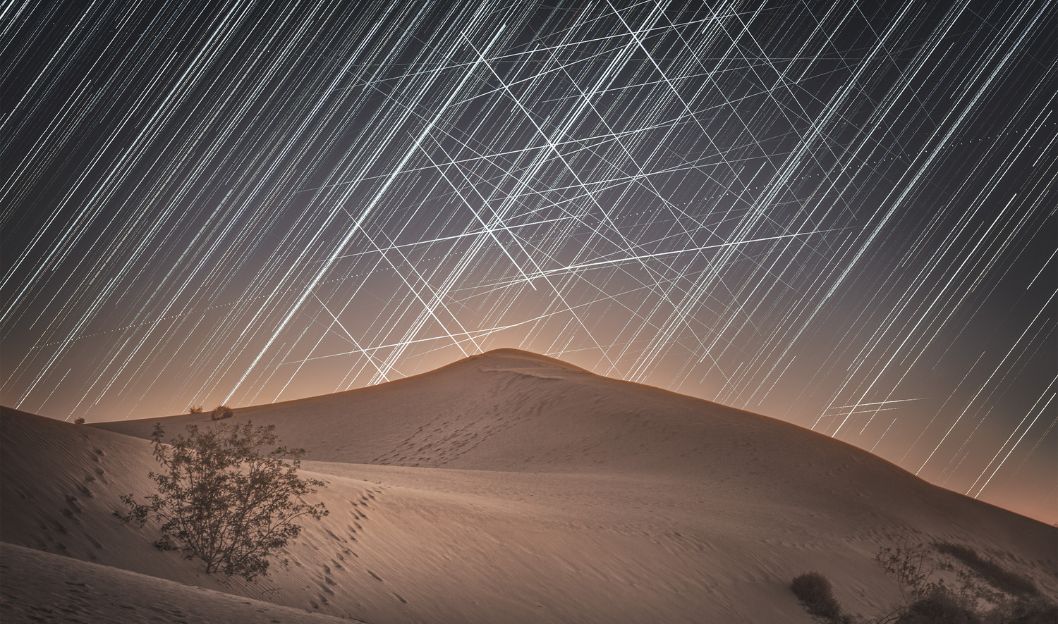











To promote Capture the Dark, Dark Sky International’s premier nighttime photography contest, we are highlighting the work of Dark Sky advocates and astrophotographers around the world to capture their unique perspectives of the night.
Guest article by DarkSky Advocate Prashant Naik
To gaze upon the night sky is to touch a memory older than time itself—a memory carried not in books but in bone. For thousands of years, the stars have guided migrations, whispered stories, and marked the rhythm of harvests and tides. Today, for most of us, this sky—once familiar, infinite, alive—is a stranger.
The spread of artificial light has cloaked our cities in a ceaseless glow, severing our bond with the cosmos. Once, darkness was everywhere. Now, it is rare – a vanishing habitat not just for creatures of the night, but for our own sense of wonder.
In its purest form, the night sky is not just seen – it is felt. Beneath the unbroken canopy of stars, something ancient stirs within us. A hush. A smallness. A clarity. It is a kind of transformation that belongs not to daylight, but to the deep hours when Earth turns its face toward the universe.
Most travelers chasing this elusive darkness turn their eyes westward – to the sandstone deserts of Utah or the pine-fringed wilderness of the northern states. As of 2025, the U.S. has over 60 designated Dark Sky Places – Parks, Reserves, Sanctuaries, and Communities – recognized by DarkSky International for their efforts to protect the night. Utah alone boasts 23 certified destinations, making it one of the most attractive locations for night sky tourism.
While the Southwest has long been a stargazer’s paradise, a quieter but equally passionate movement is rising in the Southern U.S. Across the Appalachian foothills and into the rural South, advocates and communities are reclaiming the night – where constellations still shimmer in unbroken silence.
The Southern Appalachian Mountains offer a landscape as rich in biodiversity as it is in beauty. Unlike the Northeast, where the tree line gives way to rocky summits, the Southern Appalachians feature forested knobs and grassy balds – high-elevation meadows that provide unobstructed views of the night sky.
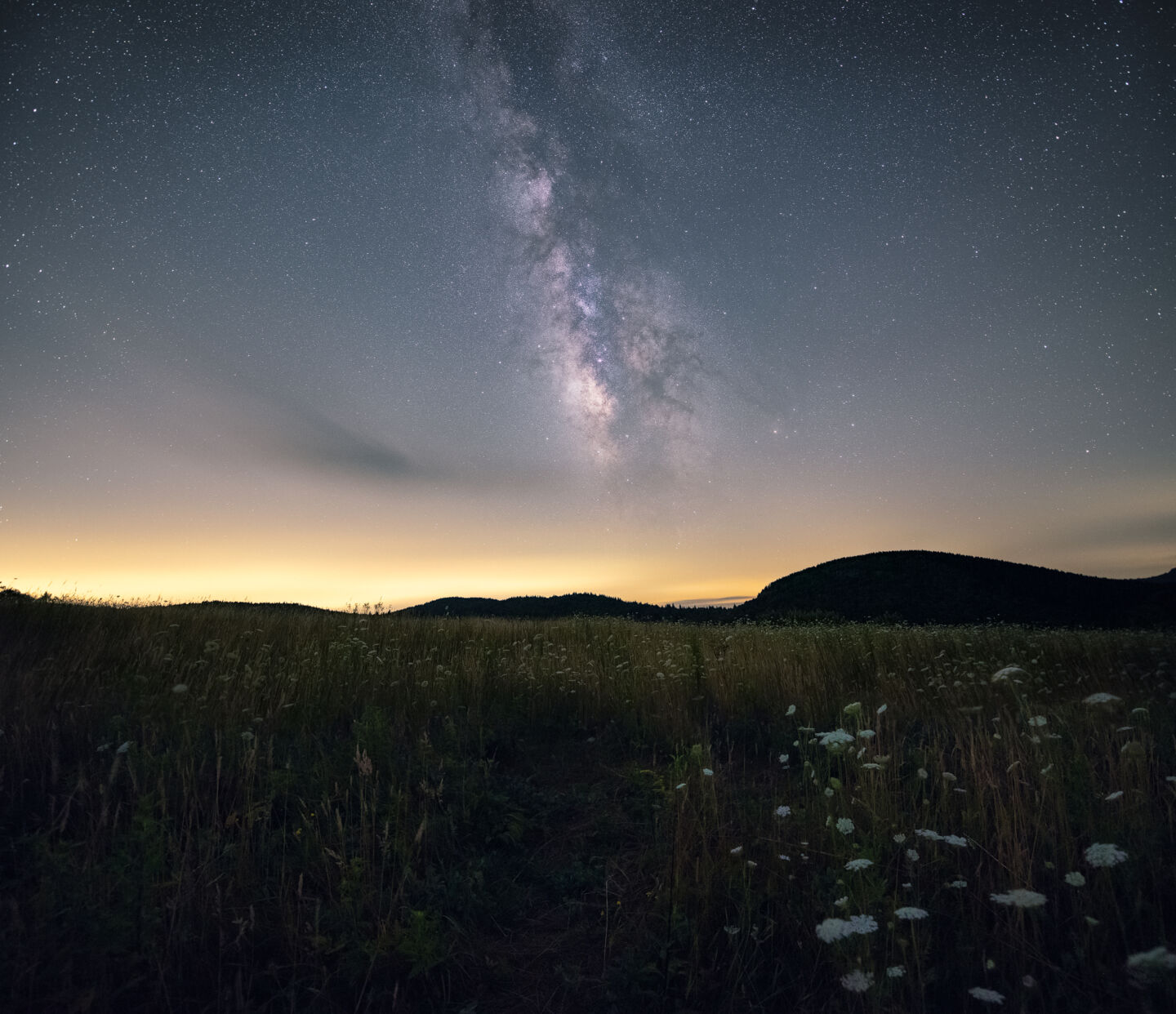
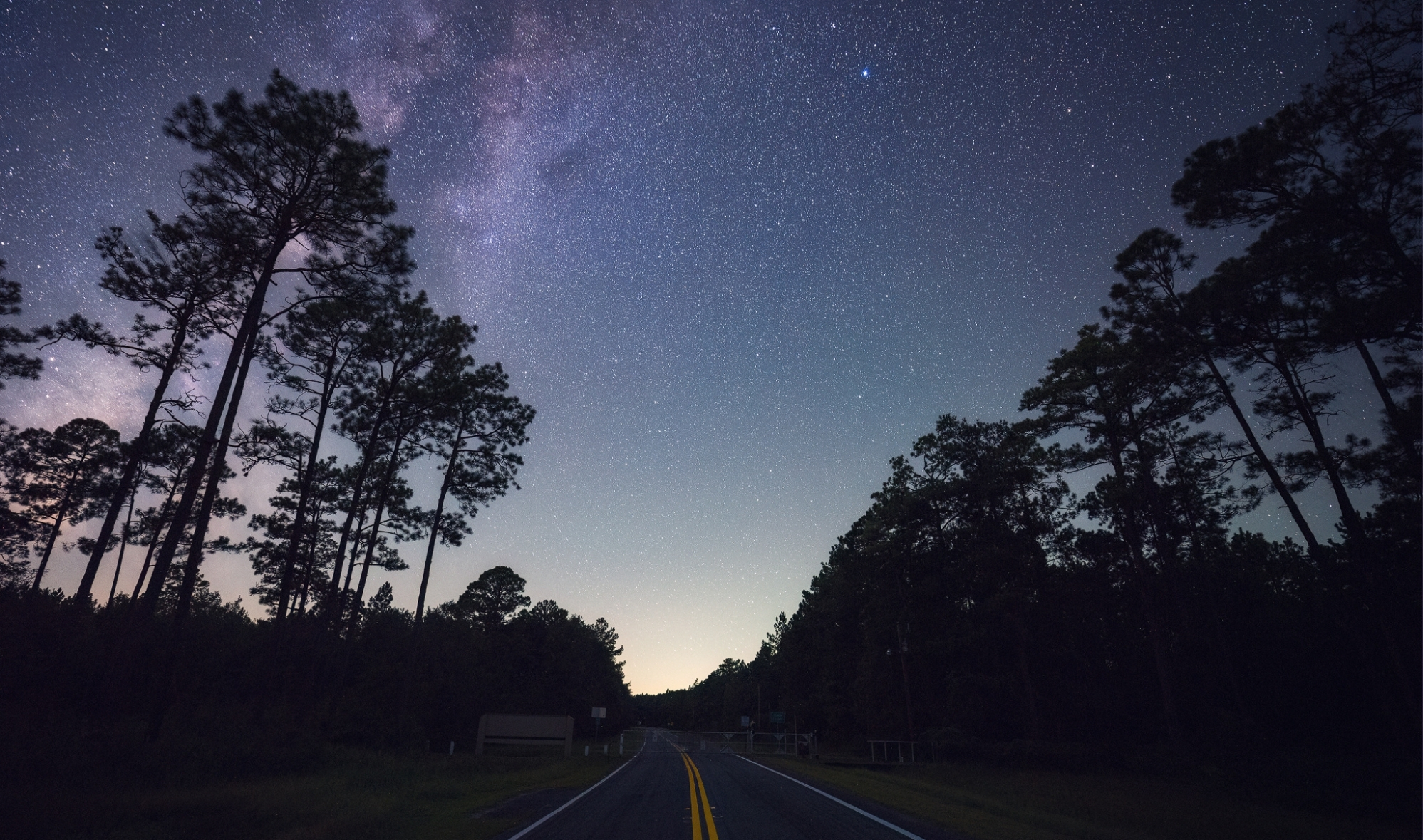
The farther one travels from artificial light, the darker the sky becomes. Roughly 300 miles south of Atlanta lies Stephen C. Foster State Park in Georgia’s Okefenokee Swamp – the largest blackwater swamp in North America – where light pollution is nearly non-existent.
The night sky here is rated Bortle Class 2 on the Bortle Scale, a nine-point system used to measure sky brightness. This near-pristine darkness earned the park a gold-tier designation by the International Dark Sky Association in 2016. For those seeking a true escape into the cosmos, this hidden gem offers one of the best stargazing experiences in the Southeast.
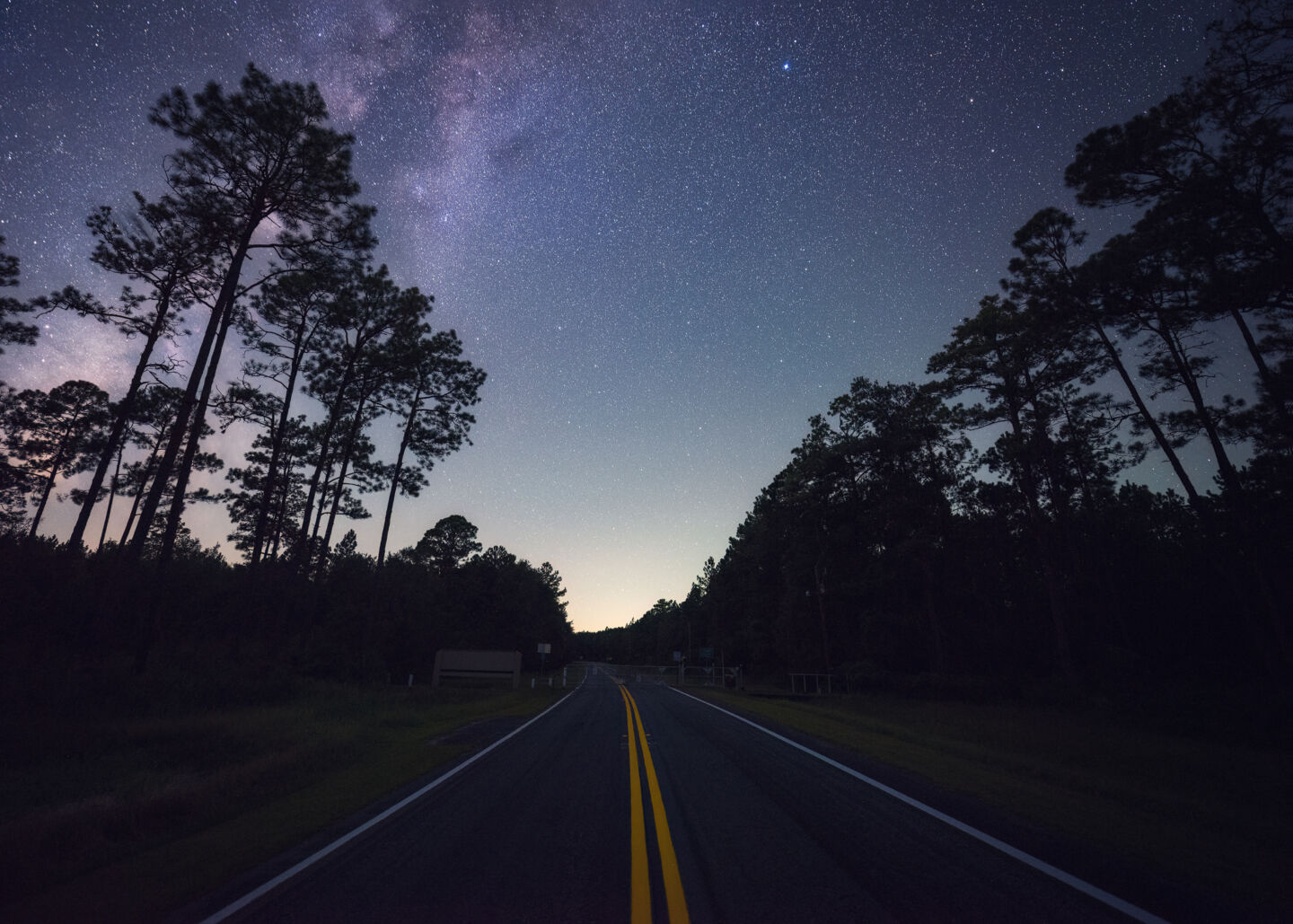
Stephen C. Foster State Park’s Dark Sky program not only protects the night sky – it sustains life. Minimizing artificial lighting supports nocturnal wildlife throughout the Okefenokee National Wildlife Refuge, restoring natural rhythms for birds, reptiles, and insects. The swamp comes alive after sundown. Because of its remote location and lack of light pollution, visitors are treated to breathtaking views of the Milky Way stretching across the sky.
The park also hosts seasonal astronomy programs where visitors can use park-owned telescopes to view planets, nebulae, and star clusters – bringing the heavens within reach.
Scenic vistas are an essential public amenity. Like wildlife in national parks, dark skies are a natural asset that motivates people to travel. Raising awareness about dark sky places not only boosts tourism but helps communities preserve their natural heritage.
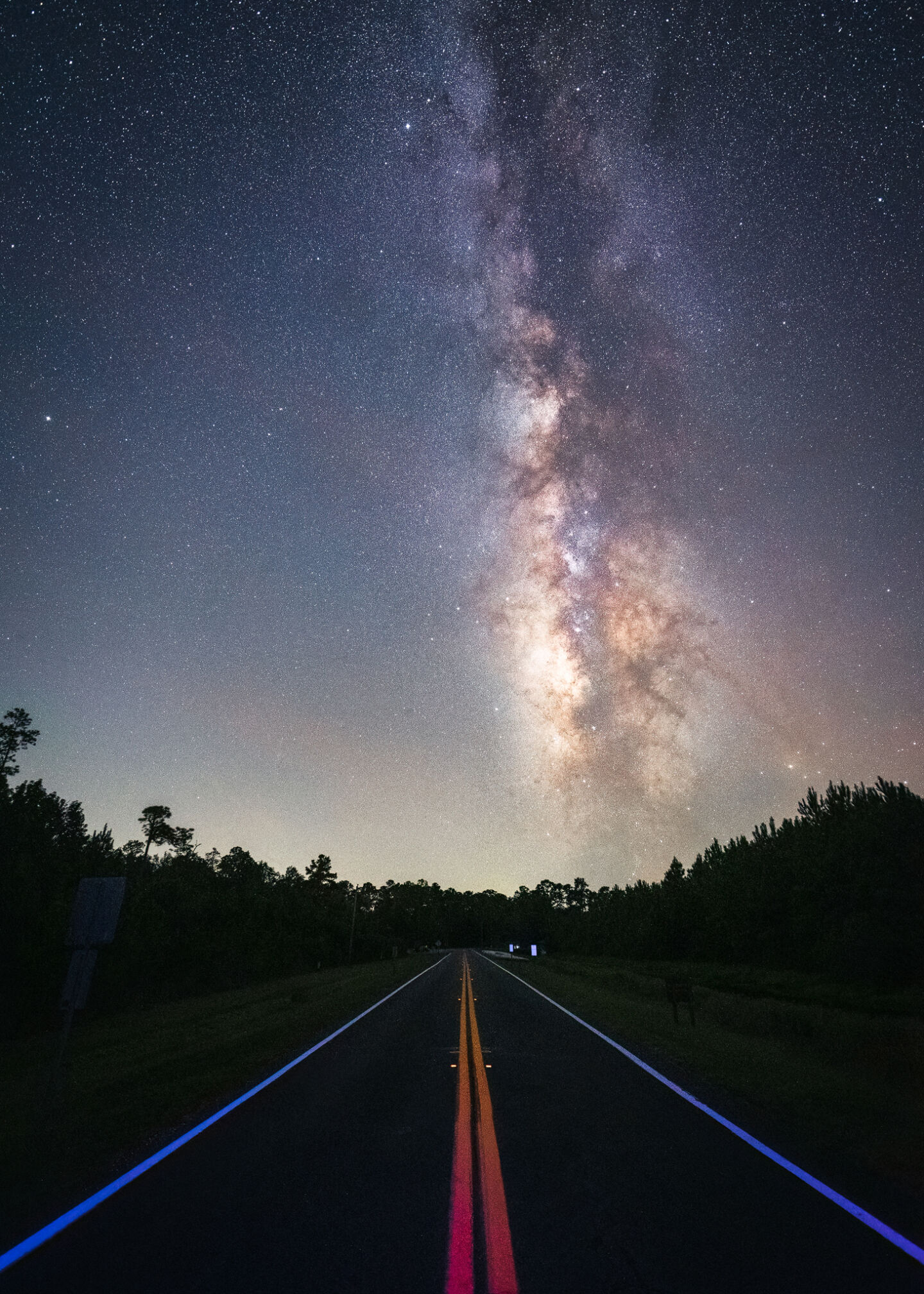
Along Georgia’s Atlantic coast, Jekyll Island is known for its wild beaches and ecological diversity. By day, its shoreline tells stories of shifting sands and sun-bleached driftwood. By night, the island transforms. On Driftwood Beach, the silhouettes of twisted trees stand in eerie beauty beneath a sea of stars. One glance, and you’re entranced for the night!
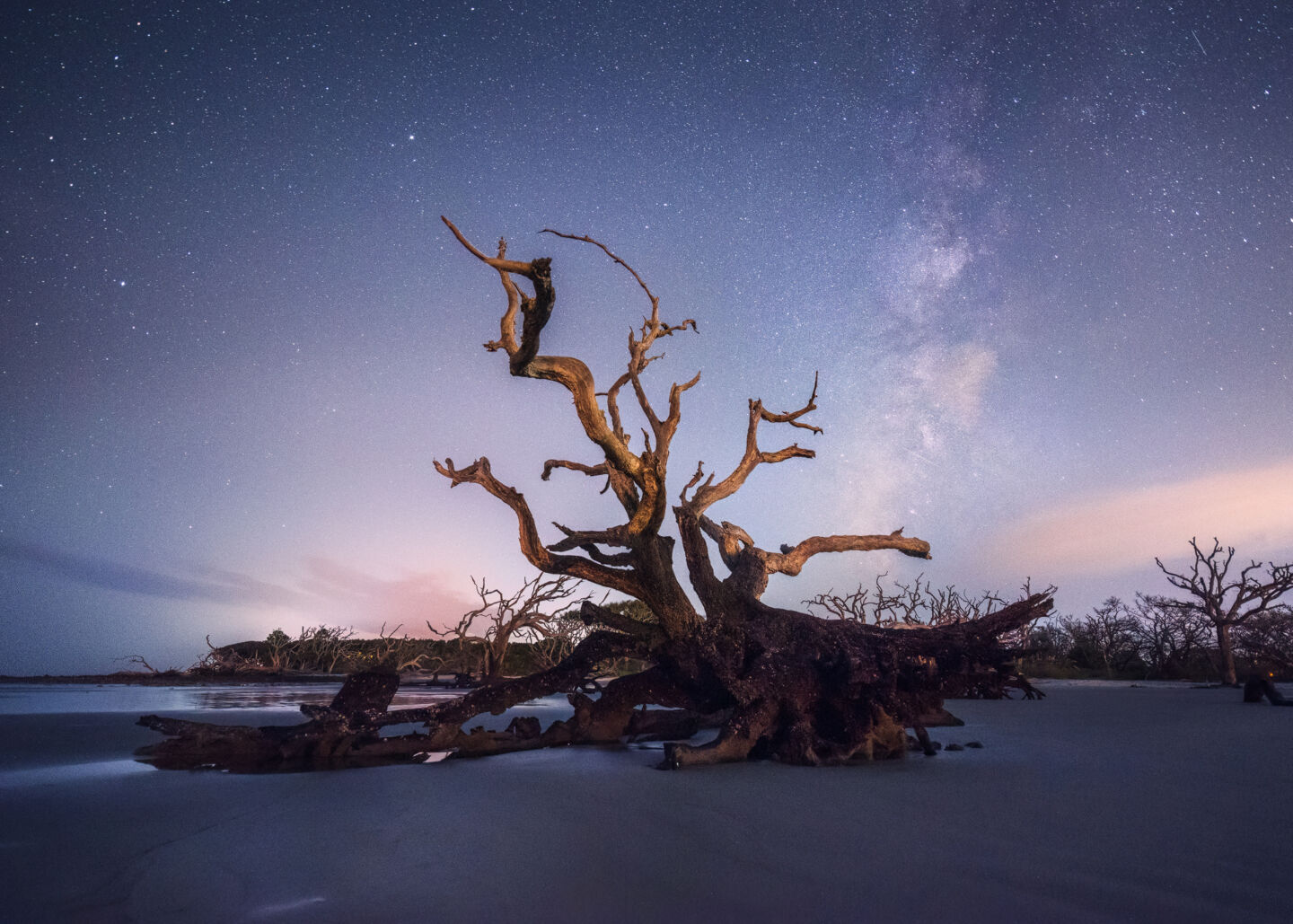
But this darkness is more than aesthetic – it’s essential.
Jekyll Island is a critical nesting ground for endangered sea turtles, including loggerheads and Kemp’s ridleys. Each May, nesting season begins, and adult females crawl ashore to lay eggs. Weeks later, hatchlings emerge, guided by the glow of the moon and stars toward the ocean. Artificial lighting can disorient them, leading them away from the sea and into harm’s path.
In May 2025, the island welcomed its first loggerhead nest of the season – another milestone in a long tradition of conservation. Thanks to the Georgia Sea Turtle Center and local partners, Jekyll has become a national model for balancing tourism with wildlife protection. Programs like Turtle Walks, Night and Dawn Patrols, and educational campaigns help reduce light pollution and build public awareness of the fragile relationship between darkness and life.
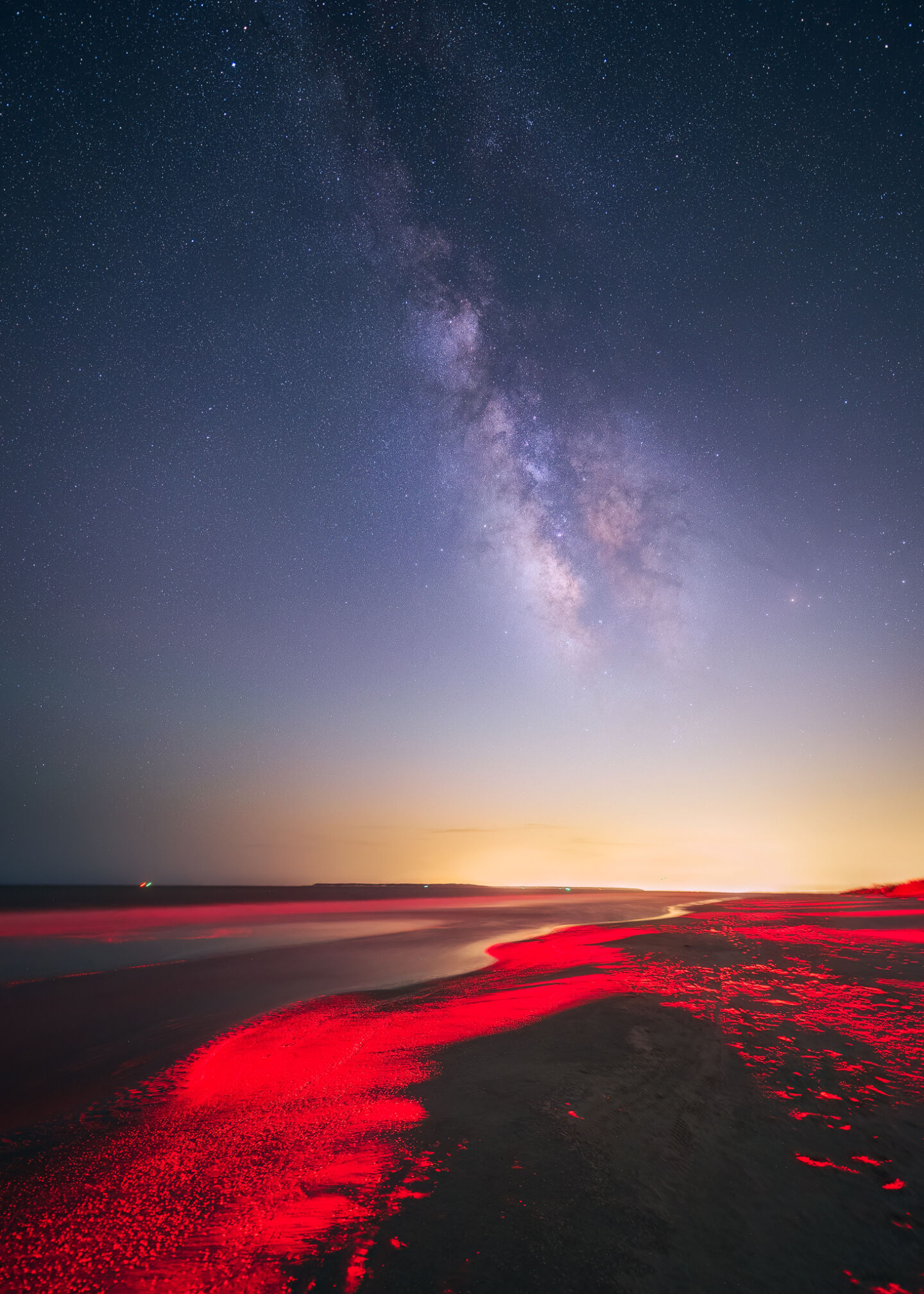
As one stands on the shores of night and looks out over the mighty sea of darkness, it’s easy to understand why preserving the night sky matters. Not just for stargazers, but for the creatures who depend on it to survive.
Just as Springer Mountain in Georgia marks the southern terminus of the Appalachian Trail, it also begins a journey through some of the darkest and most awe-inspiring skies in America. Along this trail, tales echo through the rolling terrain – stories of moonlit creatures and constellations reborn through Southern folklore. The stars have long guided not just hikers, but storytellers, too.
As hikers ascend Georgia’s ridges into Tennessee, they pass through the Great Smoky Mountains – where night comes alive with fireflies. Each summer, Elkmont hosts a dazzling display of synchronous fireflies, tiny bioluminescent creatures that flash in unison across the forest floor. Thousands of pre-selected visitors travel here annually to witness this rare natural symphony.
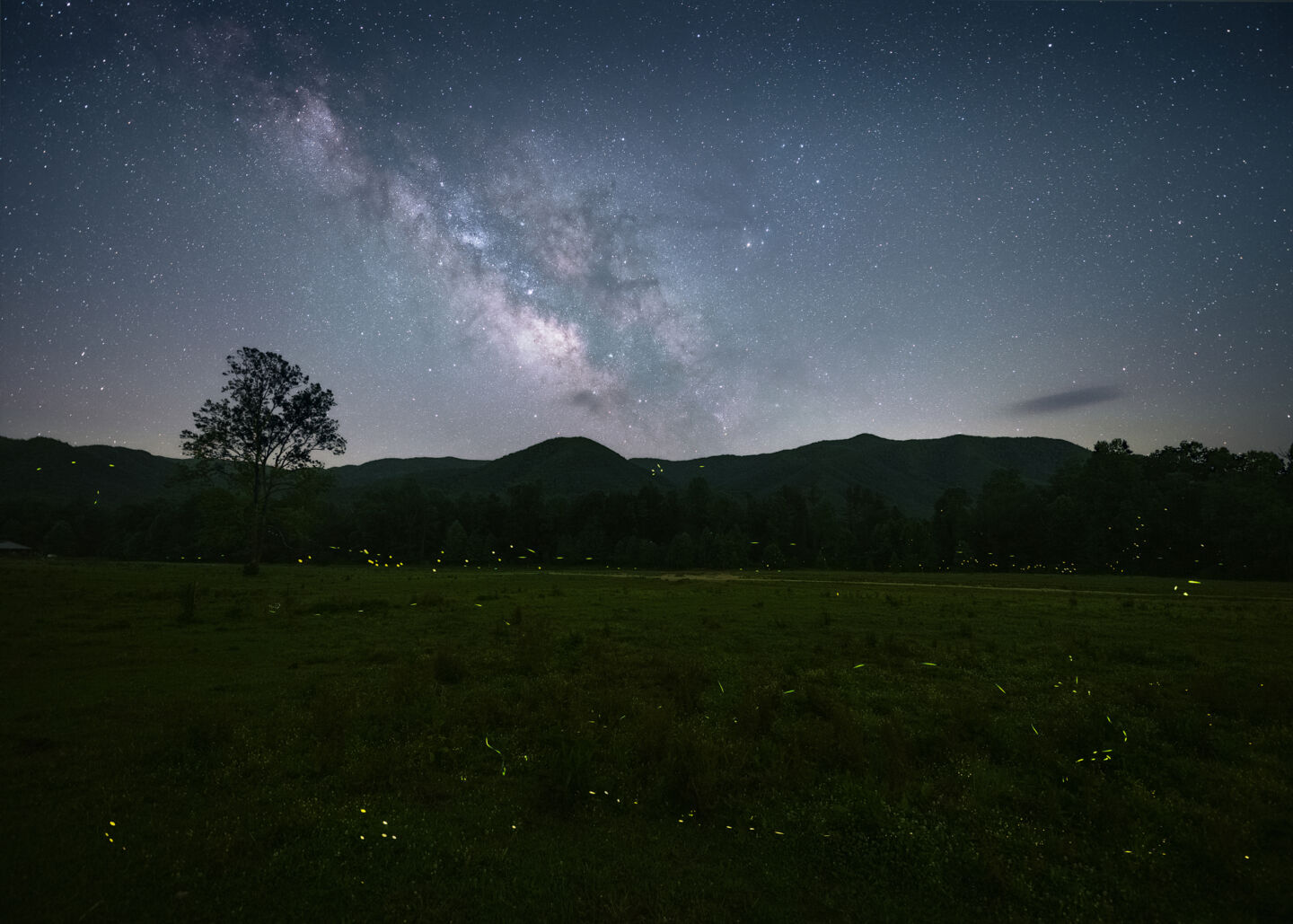
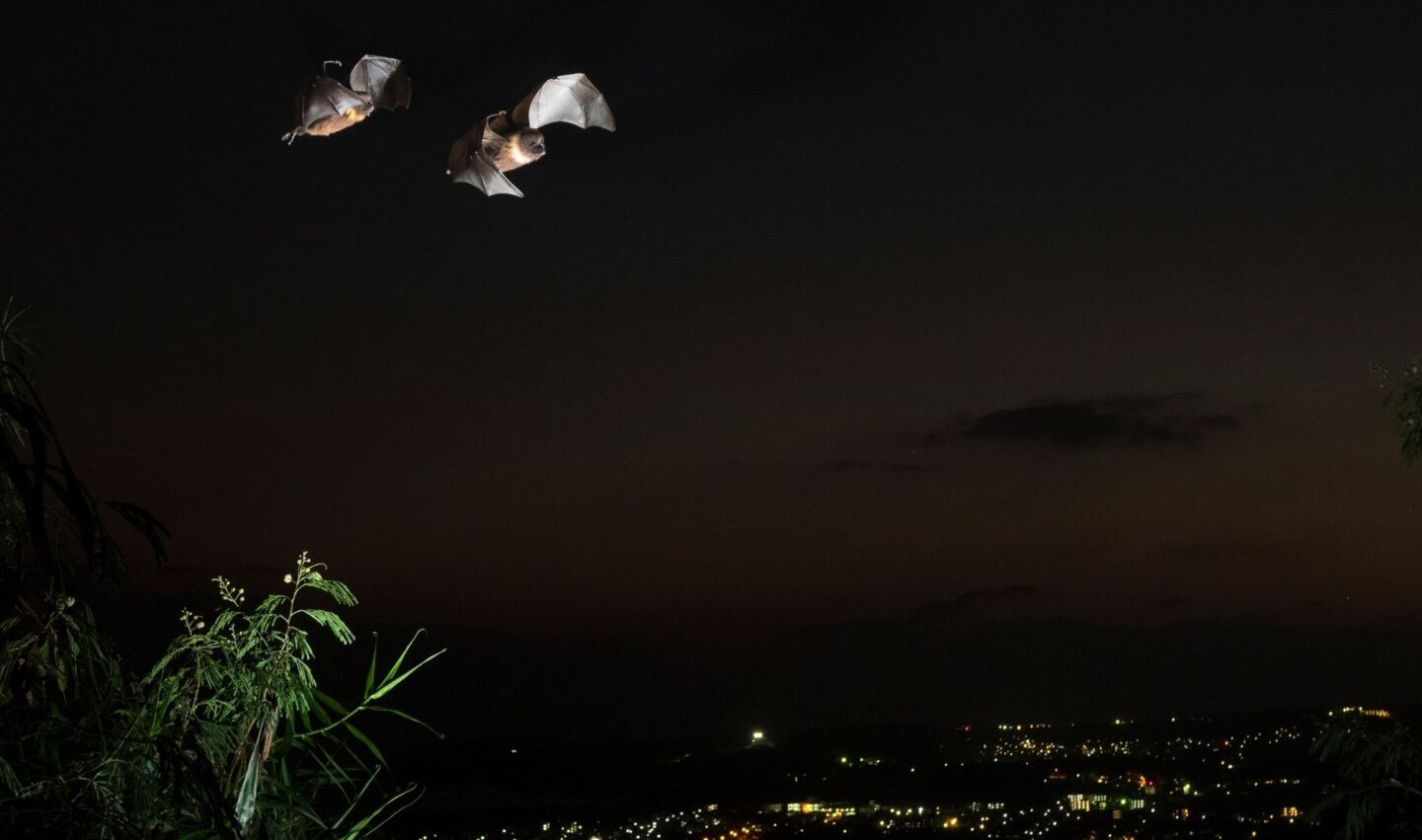
Nocturnal wildlife – bats, owls, fireflies depend on natural darkness to thrive. Preserving dark skies in these areas helps protect ecosystems that have evolved under starlit skies for millennia.
Crossing into North Carolina, the skies grow deeper still. At the Bare Dark Sky Observatory at Earth to Sky Park, visitors can access the Southeast’s largest public telescope. Not far away, the Pisgah Astronomical Research Institute (PARI) – a former NASA tracking station – now serves as a hub for research, education, and awe-inspiring stargazing events.
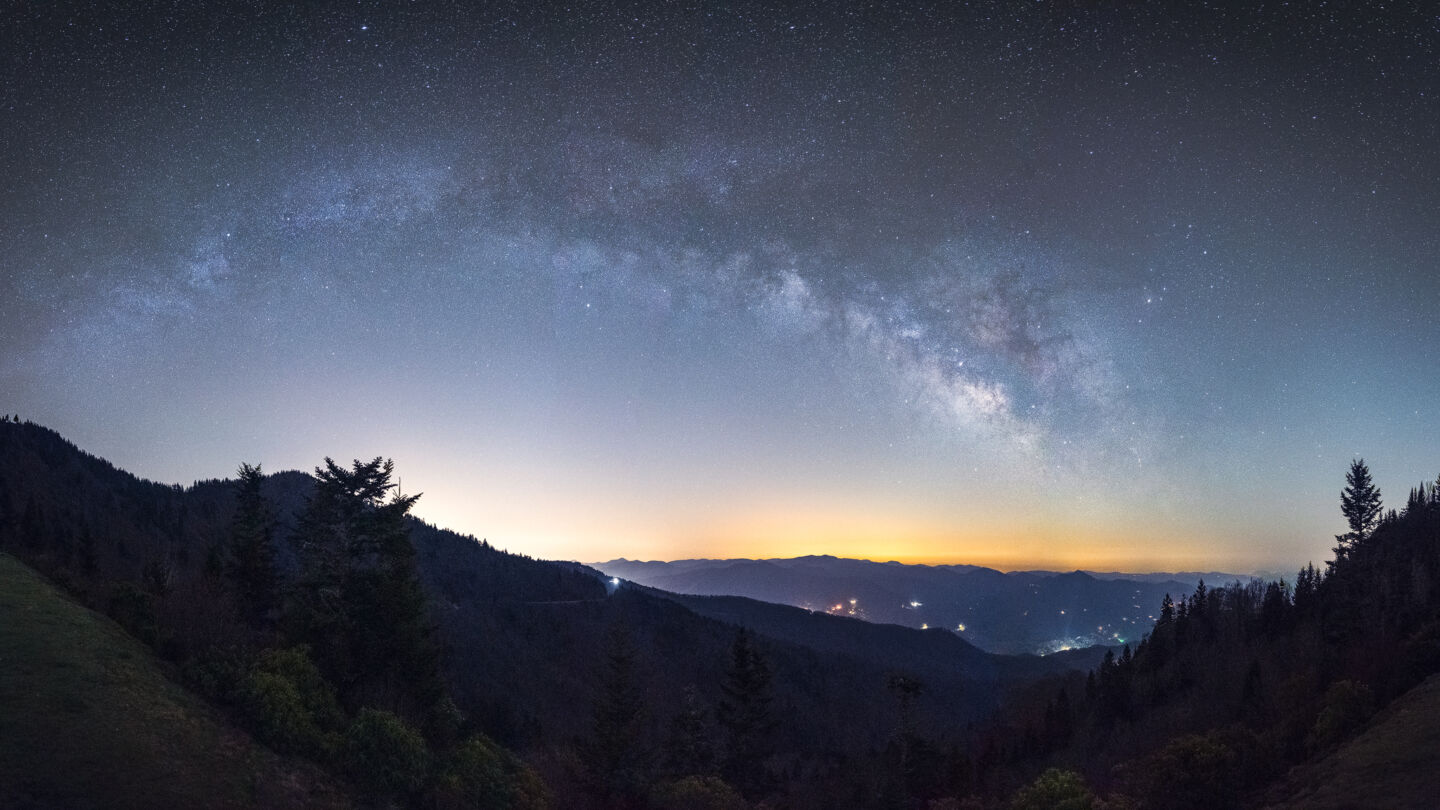
From here, the Blue Ridge Parkway offers jaw-dropping night views – arches of the Milky Way sprawling across mountain ridges in surreal clarity.
Eventually, the Appalachian Trail winds its way to Mount Katahdin in Maine – the trail’s northern terminus. Here, the Katahdin Woods and Waters National Monument has been designated an International Dark Sky Sanctuary. It’s a fitting end to a journey that begins in the deep South: a trail lit by the enduring brilliance of the stars.
From the misty peaks of the Southern Appalachians to the quiet shores of Georgia’s coast, the Southeastern United States holds some of the country’s most overlooked, yet awe-inspiring nightscapes. These skies are not just beautiful. They are vital. They guide wildlife, inspire wonder, and connect us to something larger than ourselves.
But they are also fragile.
This movement gained new momentum in 2022 when a group of advocates in Alabama proposed forming a regional chapter of DarkSky International. With support from DarkSky International and outreach led by Dr. Michelle Wooten, the idea evolved into ‘Starry Skies South‘ – a collaborative effort uniting dark sky advocates across Alabama, Georgia, Mississippi, Louisiana, and North Carolina. Through quarterly meetings and shared goals, a strong grassroots network has emerged, dedicated to preserving the night in a region often left out of national conversations.
Beyond organizing Starry Skies South, Dr. Wootern is actively shaping dark sky policy at the university level. At the University of Alabama at Birmingham, she leads the Campus SHINE lab, a hands-on initiative founded in 2024 to align campus lighting strategy with dark sky principles. Working closely with campus facilities, she and her students have surveyed campus lighting using drones and GIS data and applied DarkSky principles of responsible outdoor lighting. Students play a central role in collecting light pollution data and building shields for campus walls. Dr. Wooten’s persistence and collaborative approach have laid the groundwork for meaningful change. Her efforts show that institutional transformation is possible with patience, and shared commitment to sustainable lighting.
Another compelling example of local advocacy comes from Dr. Ronald Blake at the University of North Alabama, who led efforts to address the impact of stadium lighting on the night sky. Recognizing the importance of responsible lighting even in high-use public spaces, Dr. Blake worked with university leadership to implement more dark-sky-friendly lighting practices at UNA’s athletic facilities. This initiative not only reduced light pollution on campus but also set a precedent for how institutions can balance functionality with environmental stewardship.
Preserving the night sky in the south requires more than admiration. Whether you’re a traveler, a local resident or a policymaker, you can help protect this natural heritage. Support dark sky parks and communities, use responsible outdoor lighting, and spread awareness about the impact of light pollution.
If this story has sparked your interest in protecting the night sky across the South, consider joining the movement. Starry Skies South welcomes advocates, educators, and dreamers alike working together to preserve the beauty of our region’s dark skies for generations to come.
The stars still shine in the South. Let’s make sure they always do!