










Ensuring dark sky experiences benefit communities, honor local knowledge and lifeways, and prioritize the protection of the nighttime environment.
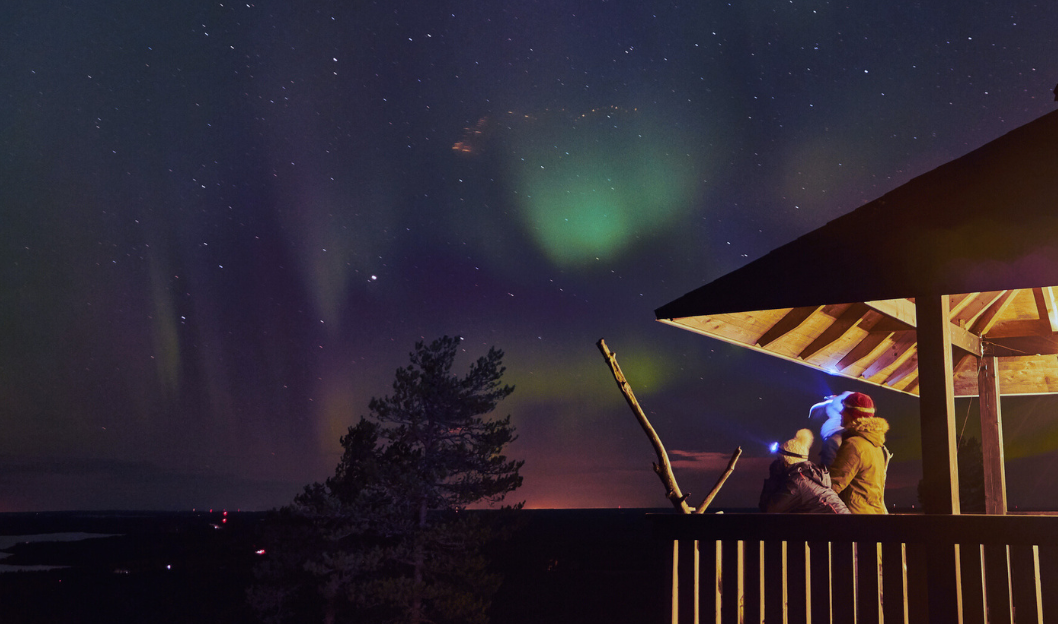
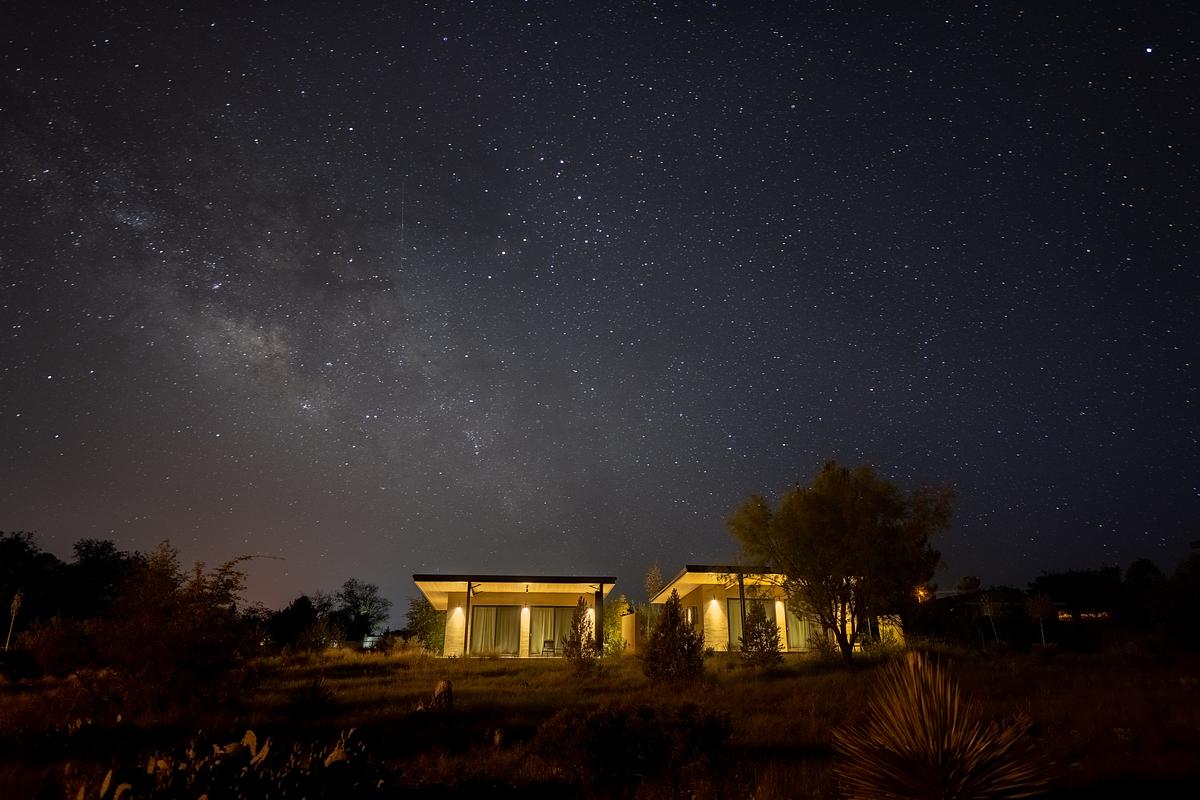
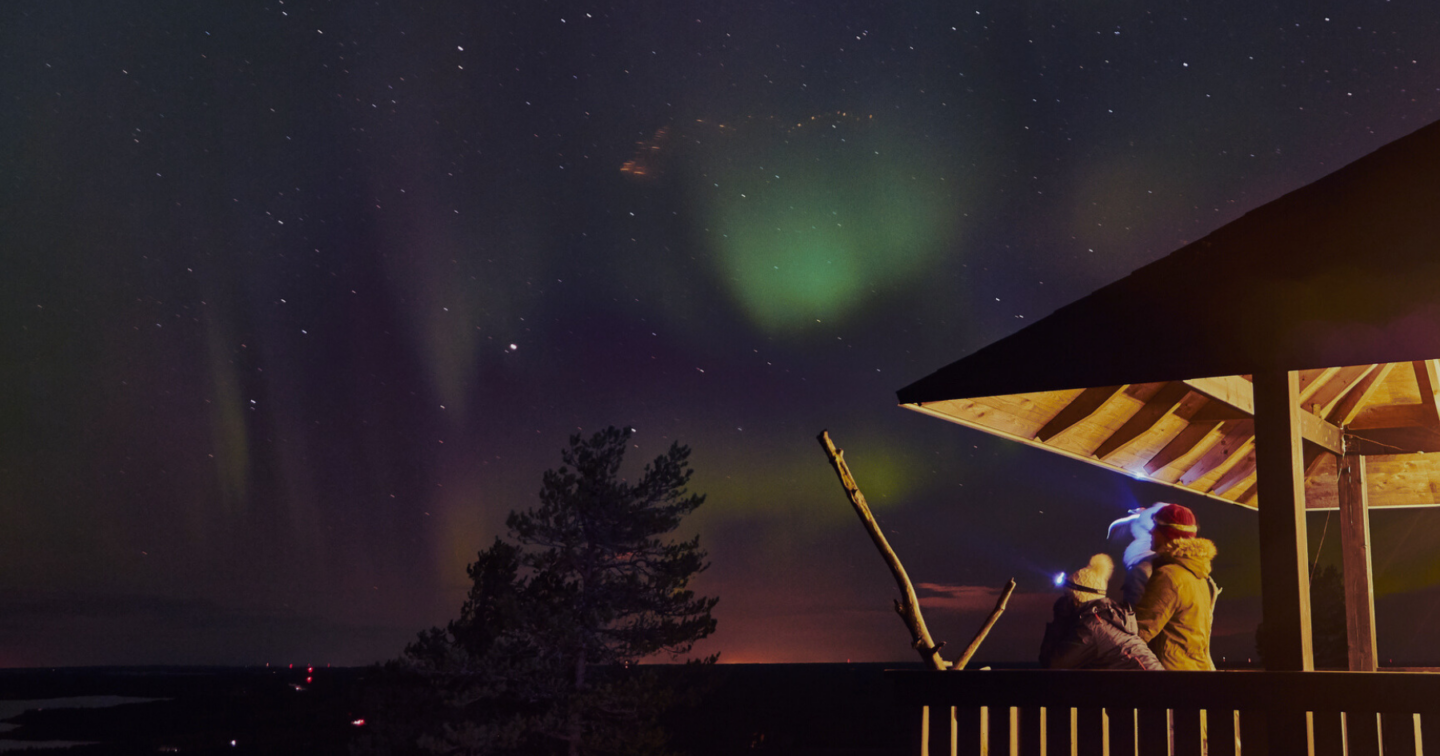
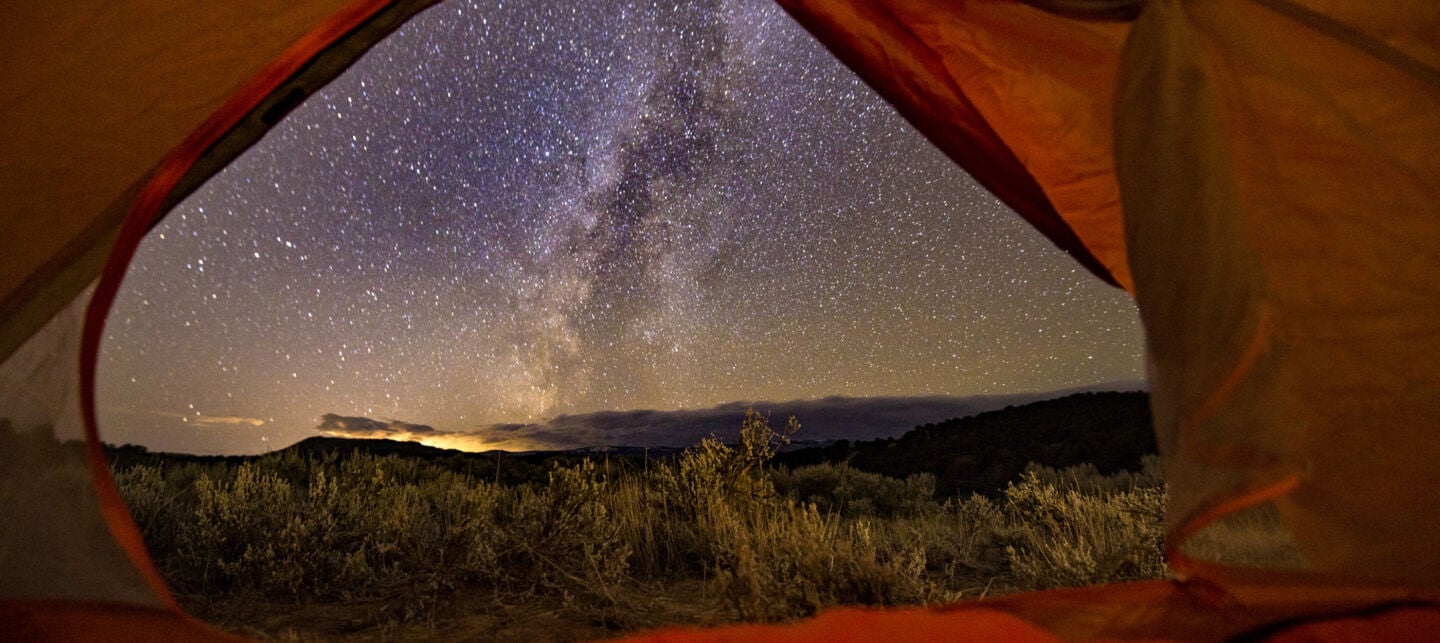
With astrotourism gaining popularity worldwide, DarkSky International has released a new set of guiding principles to ensure dark sky experiences benefit communities, honor local knowledge and lifeways, and prioritize the protection of the nighttime environment.
Astrotourism, which focuses on experiencing starry skies and celestial events, is emerging as a leading travel trend in 2024. Closely related is dark sky tourism, offering a broader range of activities such as night safaris, moonlit hikes, and wellness-focused visits to pristine, dark locations. As interest in experiencing dark nights grows, so does the need for responsible tourism that protects the environment and fosters sustainability.
“Astrotourism has the potential to generate significant social, economic, and environmental benefits,” notes Samyukta Manikumar, board member of DarkSky International. “We can learn a lot from both the successes and challenges in daytime tourism to encourage the growth of the astrotourism industry in a way that both protects the nocturnal environment and encourages sustainable economic development.”
Drawing from insights gathered from over 200 International Dark Sky Places, along with input from astronomers, scientists, and industry professionals, DarkSky International developed these principles to guide organizations, communities, and individuals involved in astrotourism. Endorsed by the Office of Astronomy for Development (OAD), a joint project of the International Astronomical Union (IAU), the principles focus on reducing light pollution and promoting sustainability, ensuring that astrotourism benefits local environments, communities, and the night skies it depends on.
DarkSky International aims for these principles to be widely adopted by affiliated organizations and independent astrotourism operators alike. Astrotourism has the potential to catalyze positive change and reduce light pollution globally, but it must be pursued intentionally with utmost concern for local communities and the natural environment.
“There is clear synergy between dark sky conservation and astrotourism—a recent survey of International Dark Sky Places shows that dark sky conservation is leading to astrotourism and astrotourism serves as a strong incentive to protect the dark skies that make astrotourism possible. With the exponential trending of astrotourism in recent years, DarkSky is ideally placed to provide leadership in ensuring that astrotourism activities are carried out in a responsible manner. This will benefit everything and everyone directly or indirectly involved.”
— Nalayini Brito-Davies, Vice President, DarkSky Board of Directors
“As we endeavour to use astronomy for a better world, we strongly support DarkSky International’s Principles of Responsible Astrotourism, as they capture the spirit of kindness, respect and consideration for both people and nature, which is so desperately needed in areas of rapid growth such as astrotourism.”
— Kevin Govender, Director, Office of Astronomy for Development
Read more about DarkSky’s Principles of Responsible Astrotourism and the collaborative process behind its creation. We also invite you to download the accompanying resources below and share them widely.
Together, we can inspire people to experience the wonders of the night while ensuring the protection of dark skies for current and future generations.