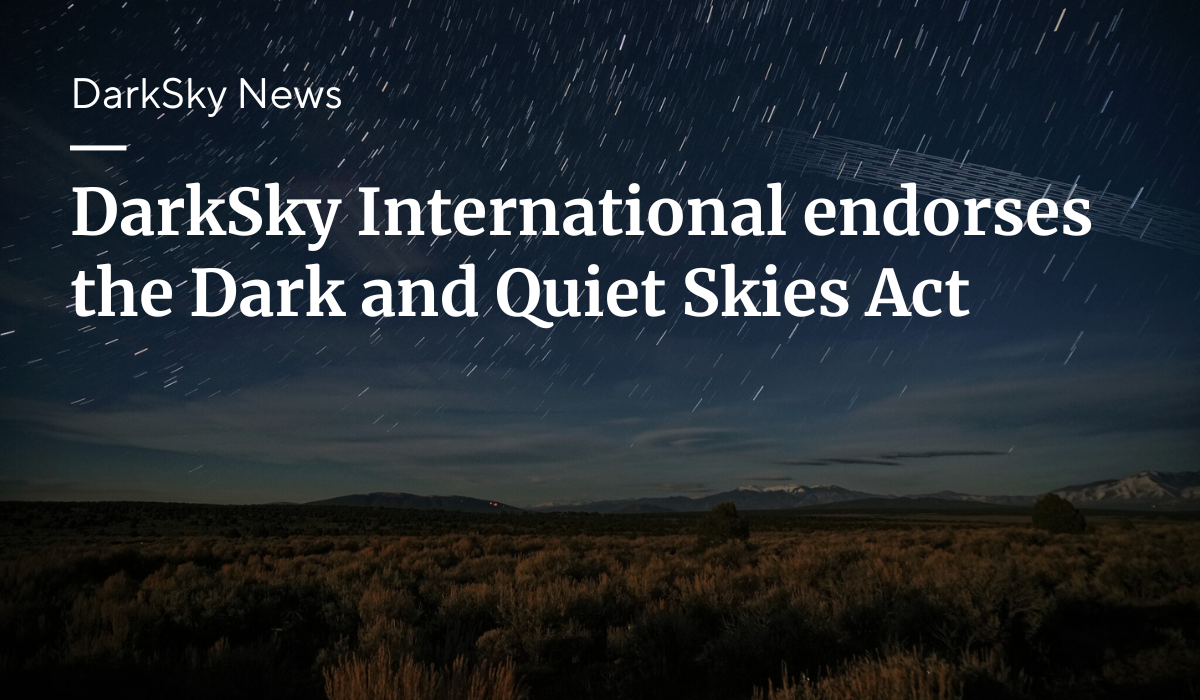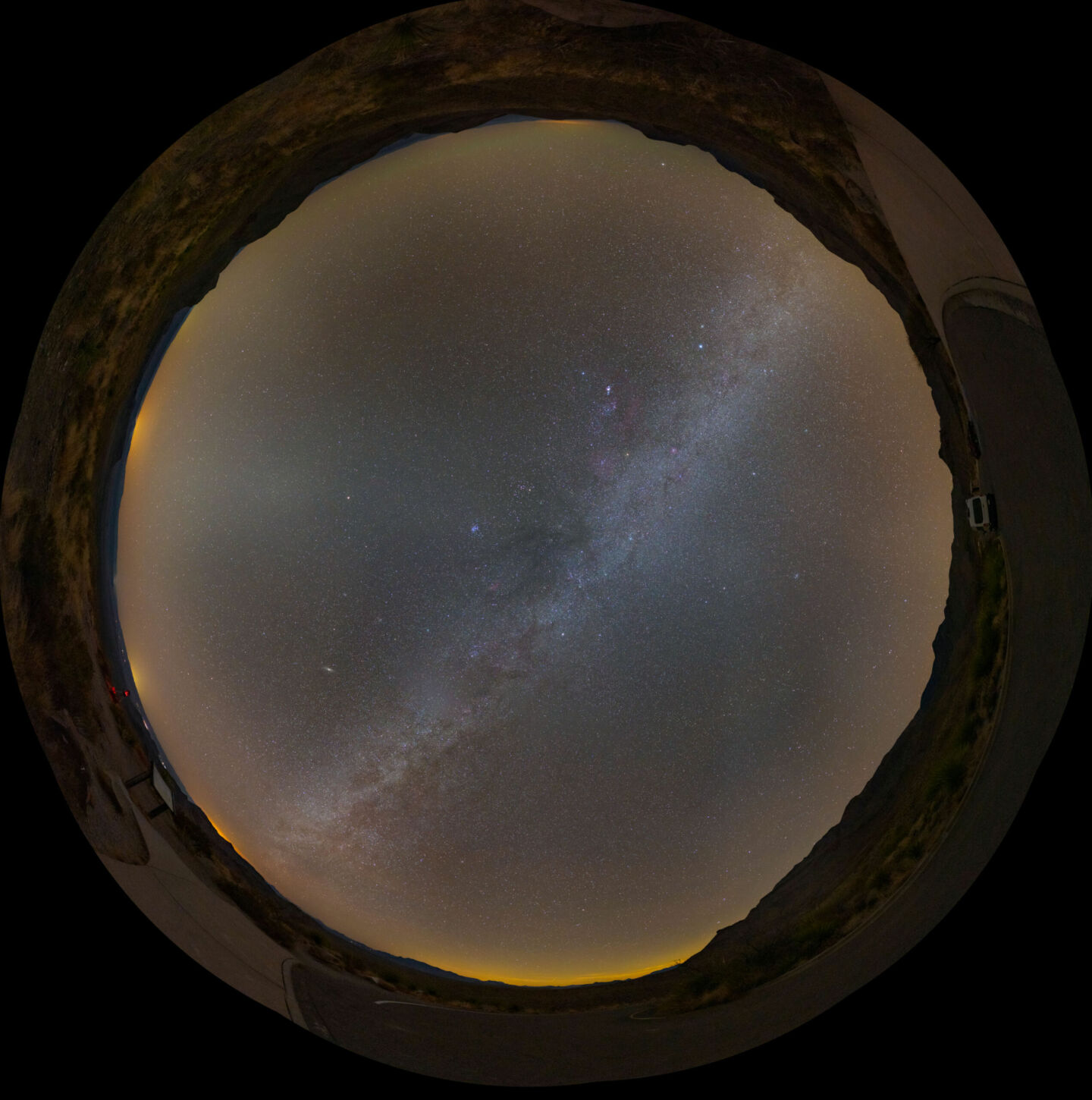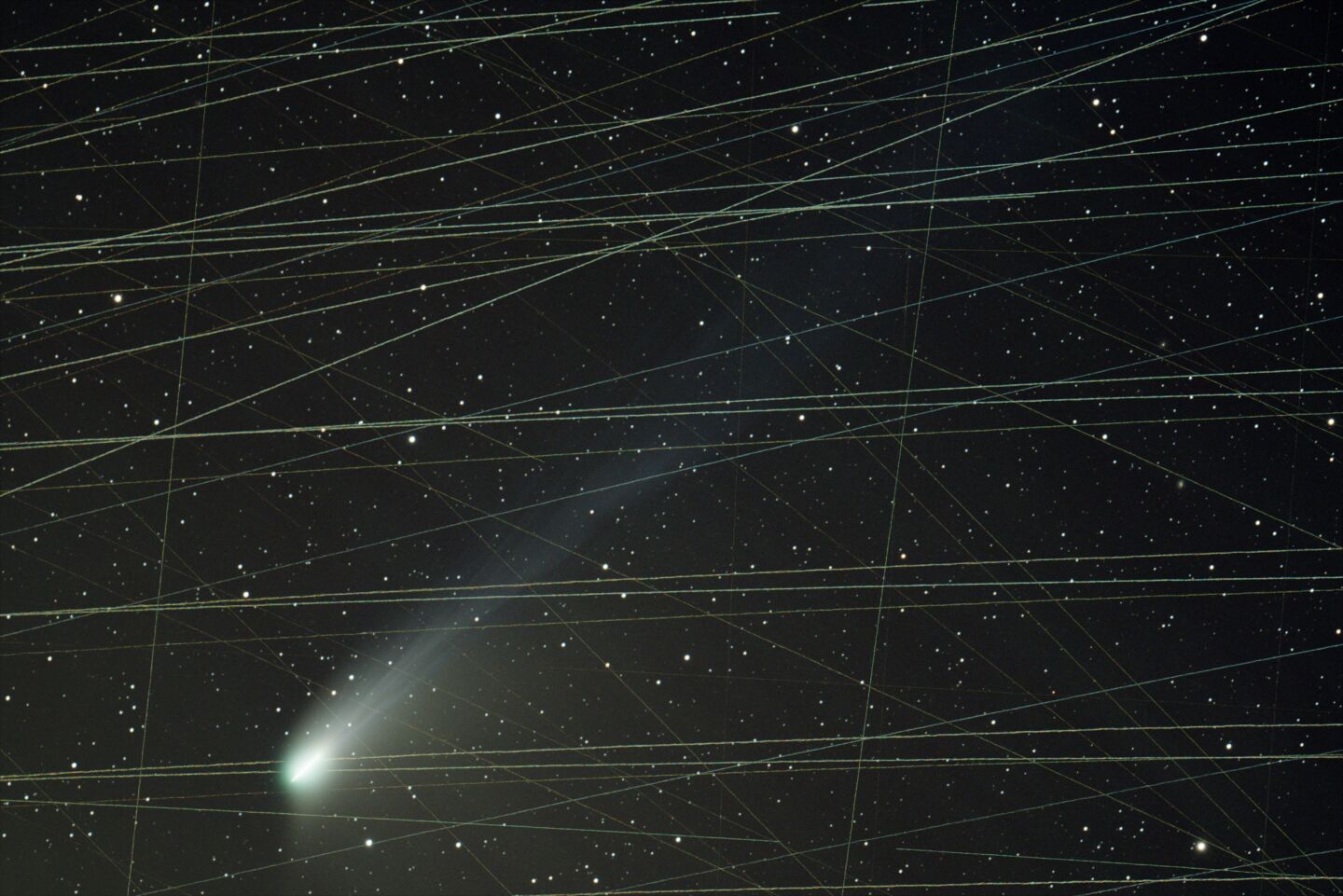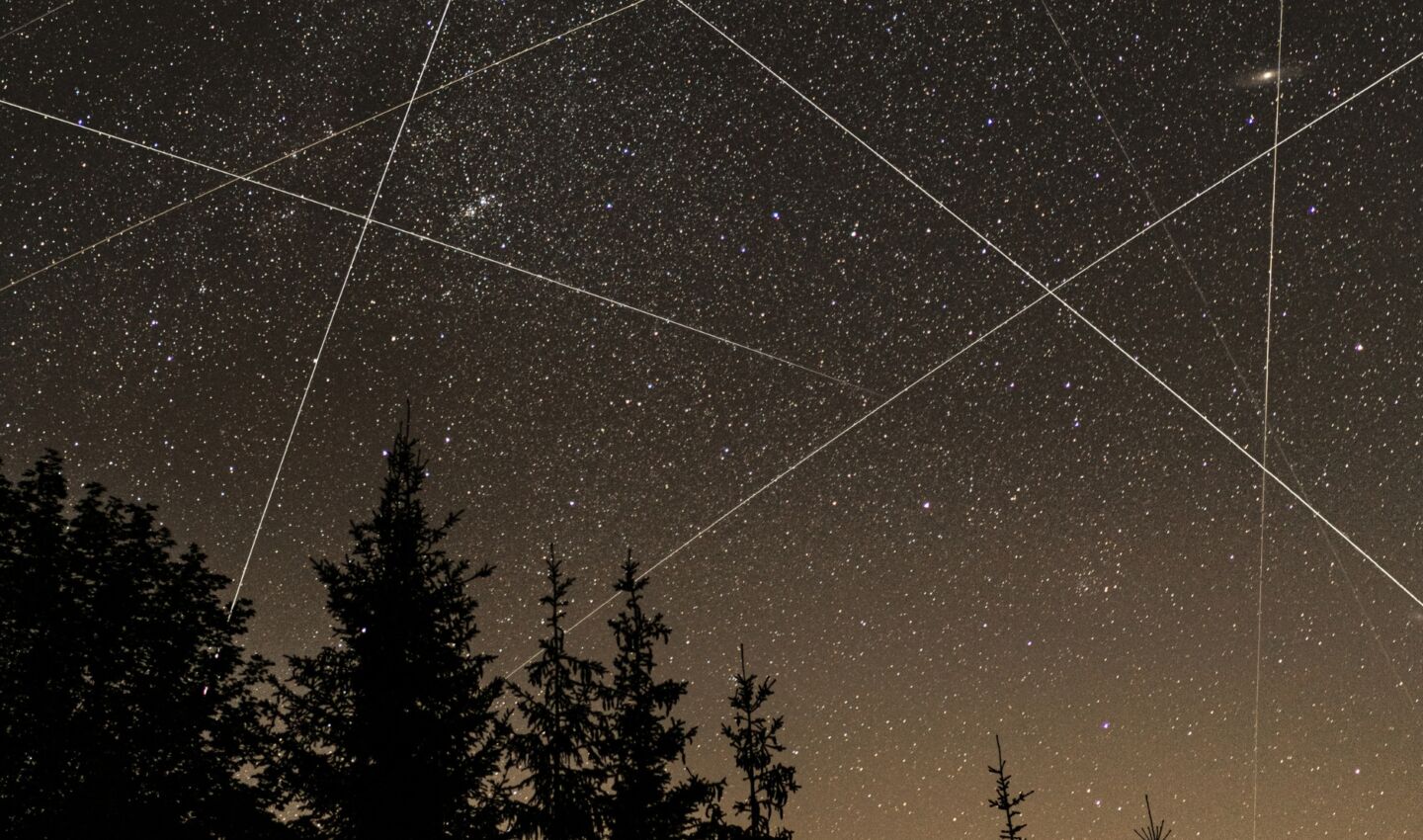









In the United States, few places remain where natural darkness still thrives and the stars shine as brightly as they do in the borderlands between the United States and Mexico. These landscapes not only showcase some of the darkest nights in North America but reflects a culture that deeply values them.
Across the region, DarkSky recognizes a number of DarkSky communities, parks, and places, from communities in San Diego County, California, and southern Arizona to protected parks and reserves in New Mexico and Texas.
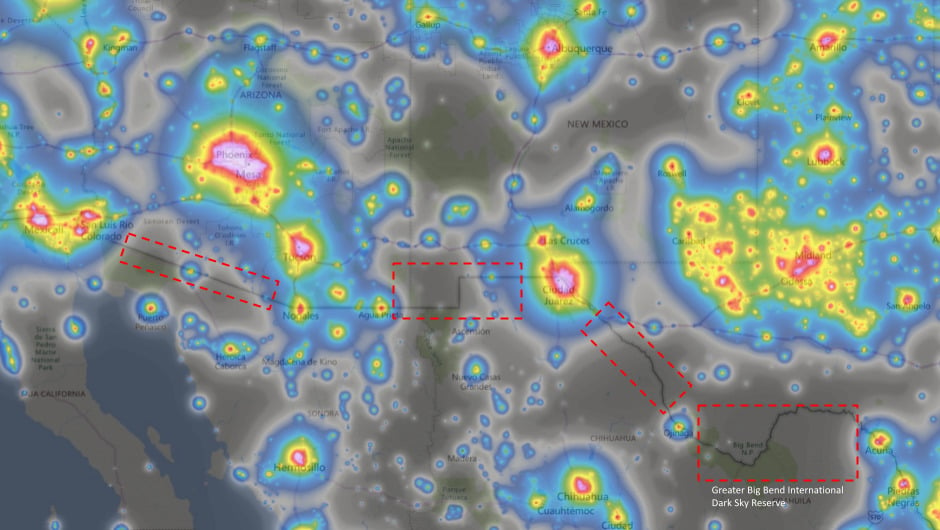
In April 2022, the Greater Big Bend International Dark Sky Reserve was established and recognized by DarkSky, becoming one of the largest protected night sky regions in the world.
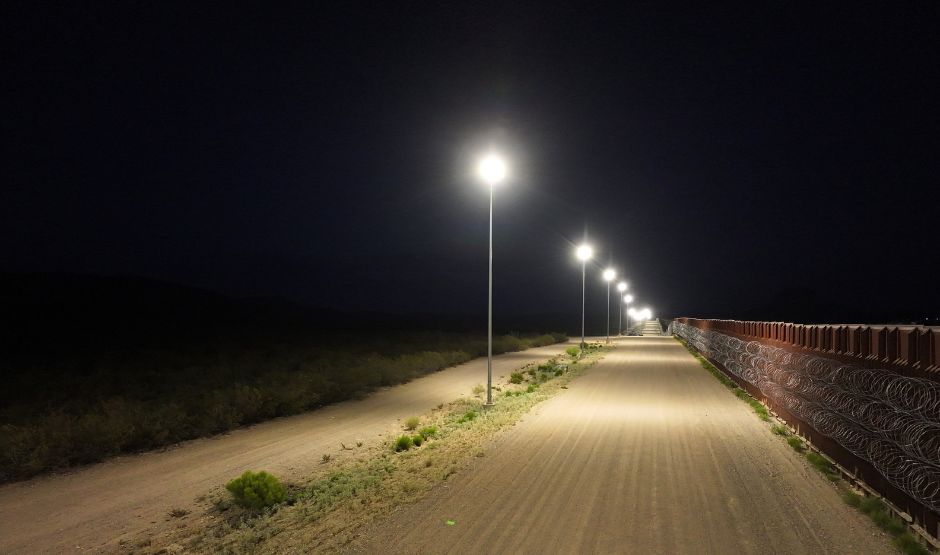
But this darkness is under threat. The border wall remains a topic of ongoing concern, with new proposals and plans continuing to emerge, including the installation of high-power stadium lighting. These developments have already diminished the night in many borderland regions and continue to put some of the United States’ most pristine night skies at risk, including within the protected lands of the Big Bend region.
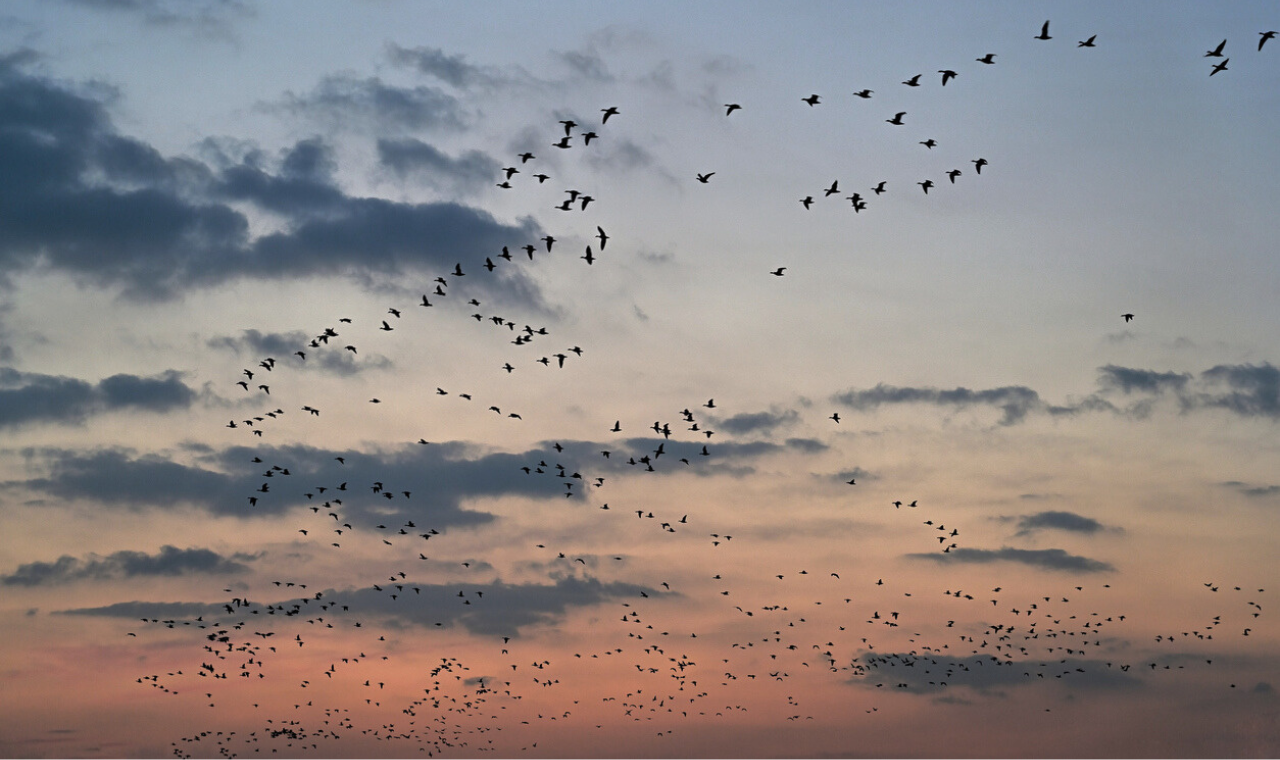
One of the most ecologically diverse landscapes in North America, the region provides critical habitat for migratory birds, bats, and even rare jaguars, as well as other wildlife that depend on dark nights to survive. It is also a growing center for nature-based tourism, including stargazing and astrotourism, which support local economies on both sides of the border. Introducing large-scale artificial lighting into these naturally dark areas threatens both the ecological and economic balance of the region.
Recognizing the ongoing threat to the night posed by border wall lighting, the DarkSky International Board of Directors reviewed the situation and adopted the following position in 2022. This position remains relevant as additional segments and lighting systems continue to be proposed and constructed:
DarkSky’s position focuses solely on the installation and use of artificial light and the importance of protecting the nighttime environment.
Federal border infrastructure plans continue include the installation of high-intensity stadium lighting along hundreds of miles of the southwestern border. These systems, often using high-wattage LED fixtures capable of producing tens of thousands of lumens, have the potential to introduce large amounts of artificial light into previously dark landscapes.
New proposals through the ecologically sensitive and pristine protected lands of Big Bend threaten one of the largest protected dark sky regions in the United States. These landscapes are critical not only for nocturnal environments but also for the tourism economy that depends on the region’s exceptional night skies.
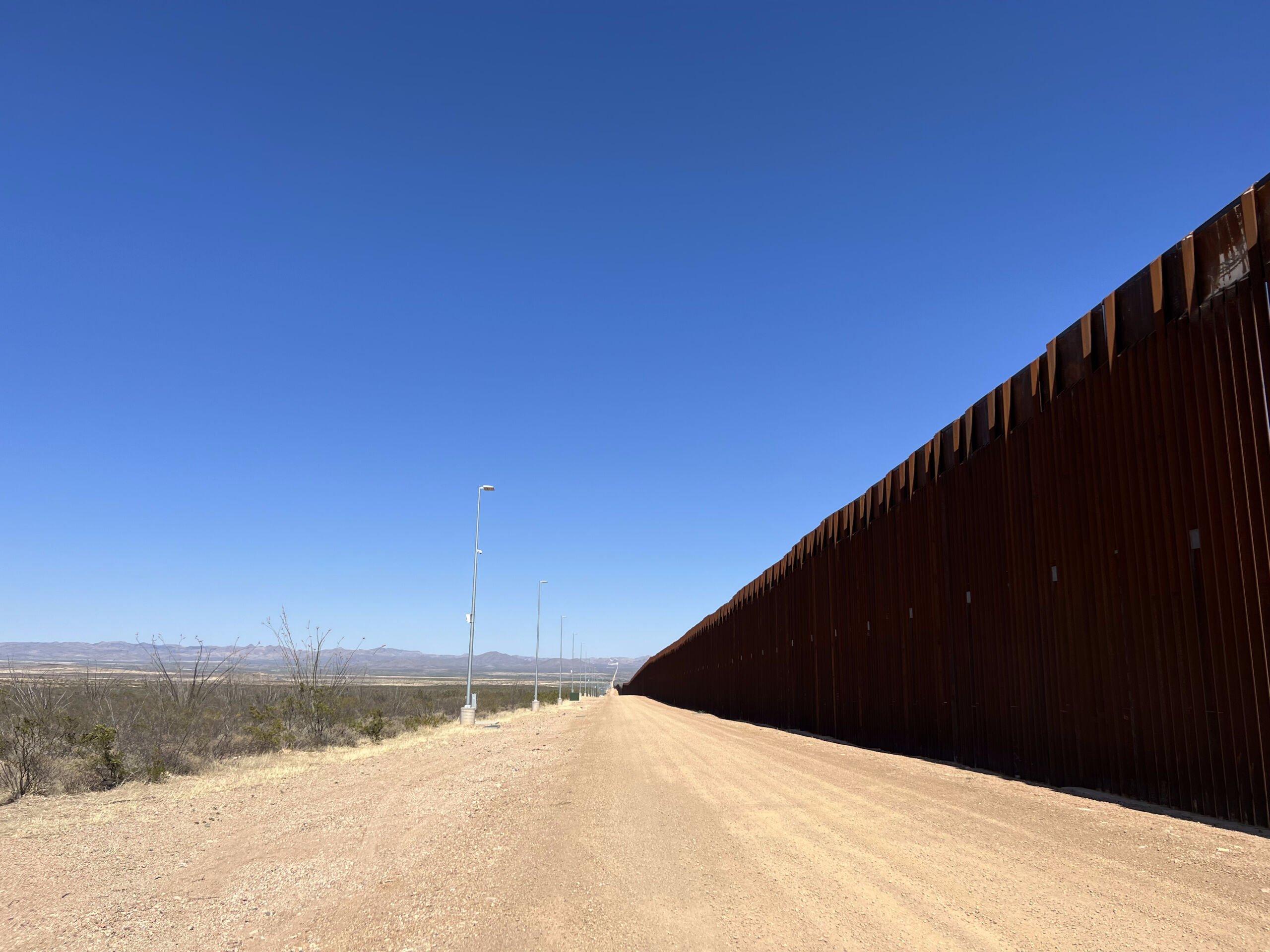
DarkSky’s State of the Science report highlights numerous studies showing that introducing artificial light into naturally dark environments can have profound effects on wildlife. Insects, migratory birds, bats, and large mammals such as jaguars can all be disrupted by nighttime illumination that alters natural behaviors such as navigation, foraging, and reproduction.
Excessive lighting in remote desert landscapes can also reduce visibility and impair night vision, while potentially interfering with sensors and monitoring systems designed to operate in naturally dark conditions.
In 2020, the DarkSky International Board adopted the Values-Centered Outdoor Lighting Policy, which states that “critically sensitive environments should be kept naturally dark.” Many of the borderlands meet this standard. These landscapes are not only among the darkest in the country, but they also support extraordinary biodiversity.
In places like these, the most responsible decision is to maintain natural darkness and pursue solutions that do not rely on large-scale artificial lighting.