








Stellar astrophotographer and longtime DarkSky Advocate Jack Fusco has spent years helping people experience the wonder of a star-filled sky—often for the very first time. Now, he’s turned that experience into a new tool designed to make it easier to know when and where to find the Milky Way
In this guest article, Jack takes us behind the scenes of the creation of Milky Way Tonight and reflects on something much bigger: how experiencing a truly dark, star-filled sky can inspire a deeper connection to the night—and create a new generation of advocates and stewards committed to protecting it.
Guest article by Jack Fusco
It’s a simple question with an unfortunately complicated answer. The core of the Milky Way is only above the horizon during certain months and hours. Within those months, a bright Moon can wash out what could’ve been a perfect night. So, you need its phase and rise and set times, and to know whether those overlap with the hours the Milky Way will be visible. Beyond that, you also need to know if the skies are going to be free of clouds. And even if all of those things line up, the sky from where you’re standing may be too bright for any of it to really matter. So, finding the answer to “is tonight a good night to see the Milky Way” isn’t a really straightforward question. For a long time, it has meant using multiple apps and websites to find that info and then analyzing and cross-referencing it all.
So, I built Milky Way Tonight to answer that question in a single screen, at a glance.
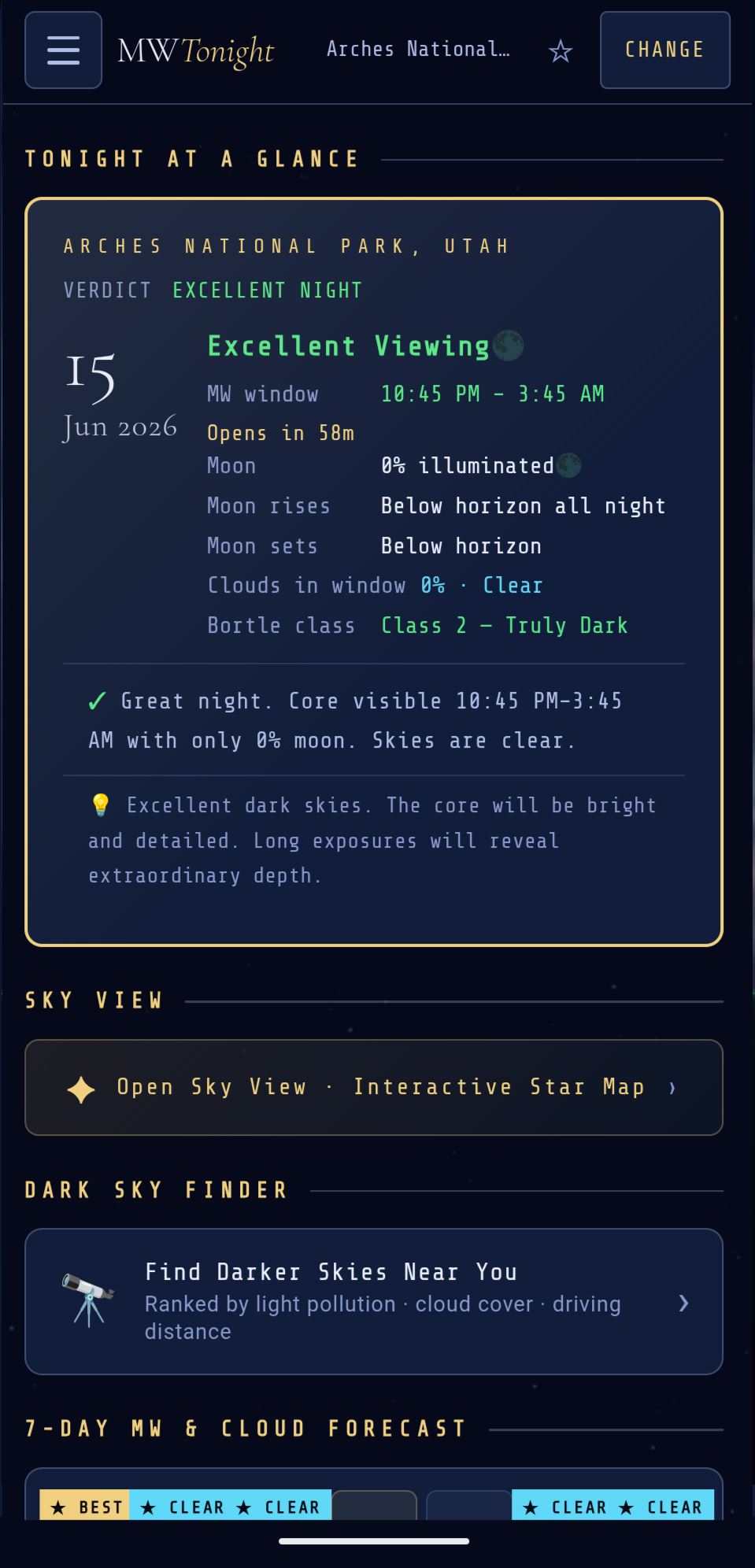
Rather than toggling between multiple apps, Jack created one at-a-glance tool that combines Milky Way visibility, moonlight, cloud cover, and light pollution to show you the best time and place to experience the night sky.
After you enter your location, the app looks for the exact timing of the Milky Way core being above the horizon and then begins checking all of the other criteria, the Moon phase, rise and set times to check against your Milky Way window to see if it will interfere, then it checks the hourly cloud for the entire night while highlighting the same window. It takes all of that information and gives you an immediate answer on whether tonight is worth going out, and if it isn’t, which upcoming night will be. And not just a yes or not, but the exact hours to be out.
Knowing where to go matters just as much as knowing when. Before the app gives you the Milky Way visibility forecast, it checks the Bortle rating for your location and explains in plain language what you can expect to see from there. If light pollution is going to be the limiting factor, it points you to a feature called Dark Sky Finder. From there, you tell it how far you’re able to drive and if you’d like to find darker skies or a better cloud forecast. It then returns up to five spots with better conditions, each with driving directions with just one tap. You can also use this feature to find the nearest certified Dark Sky Place.
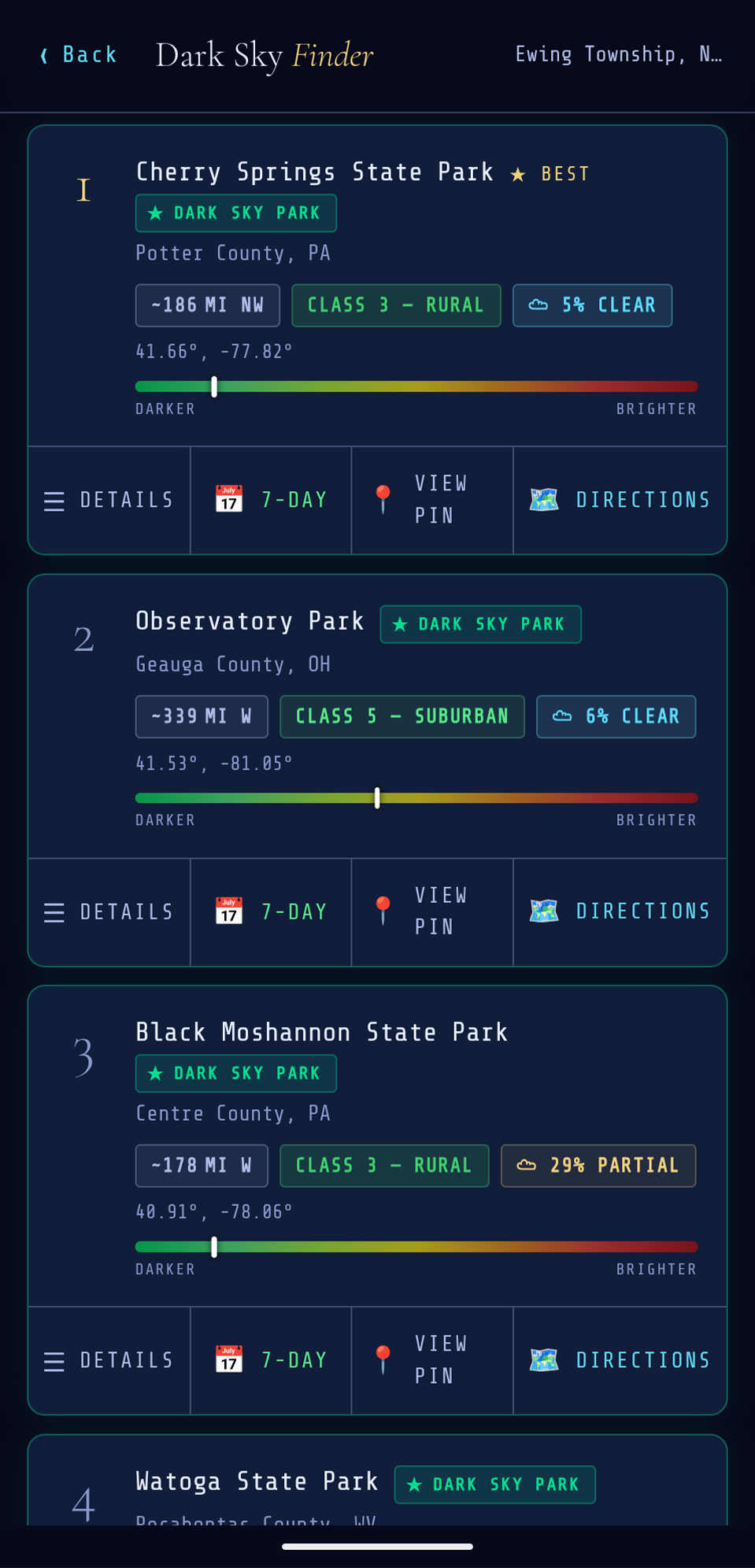
If conditions aren’t ideal where you are, Dark Sky Finder recommends nearby locations with darker skies or better weather, including nearby International Dark Sky Places.
To be honest, all of this didn’t start out with the idea of building an app. I wanted something I could quickly check while I was at home and then do the same thing for other dates and locations. It became so useful for planning workshops and for my own work, that I thought “if this has helped me this much, I bet it could help other people, too.” So, it started from there and I worked on the rest of it around two questions, “is this helpful?” and “is it easy to understand?”
But the reason I kept going has a little less to do with the app itself.
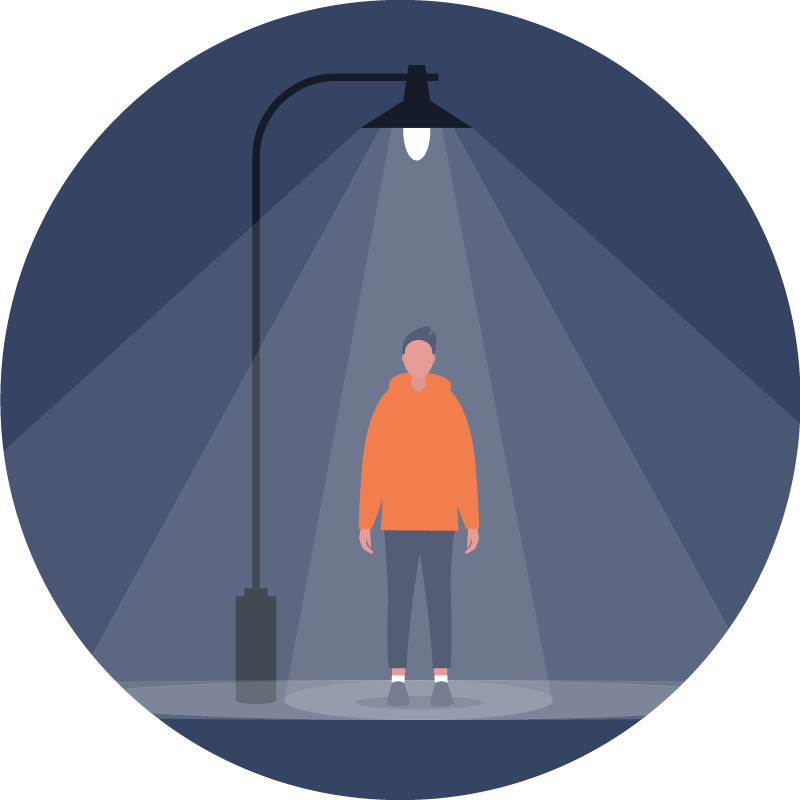
Like most people, I grew up without ever really seeing the stars. I would walk outside on a clear night and I never really thought about looking up because there wasn’t much more than a handful of stars to see. I didn’t grow up in a big city, just a light polluted suburb. So, we often think about light pollution taking the stars away from us, but it’s more often that it’s been hiding them the entire time.
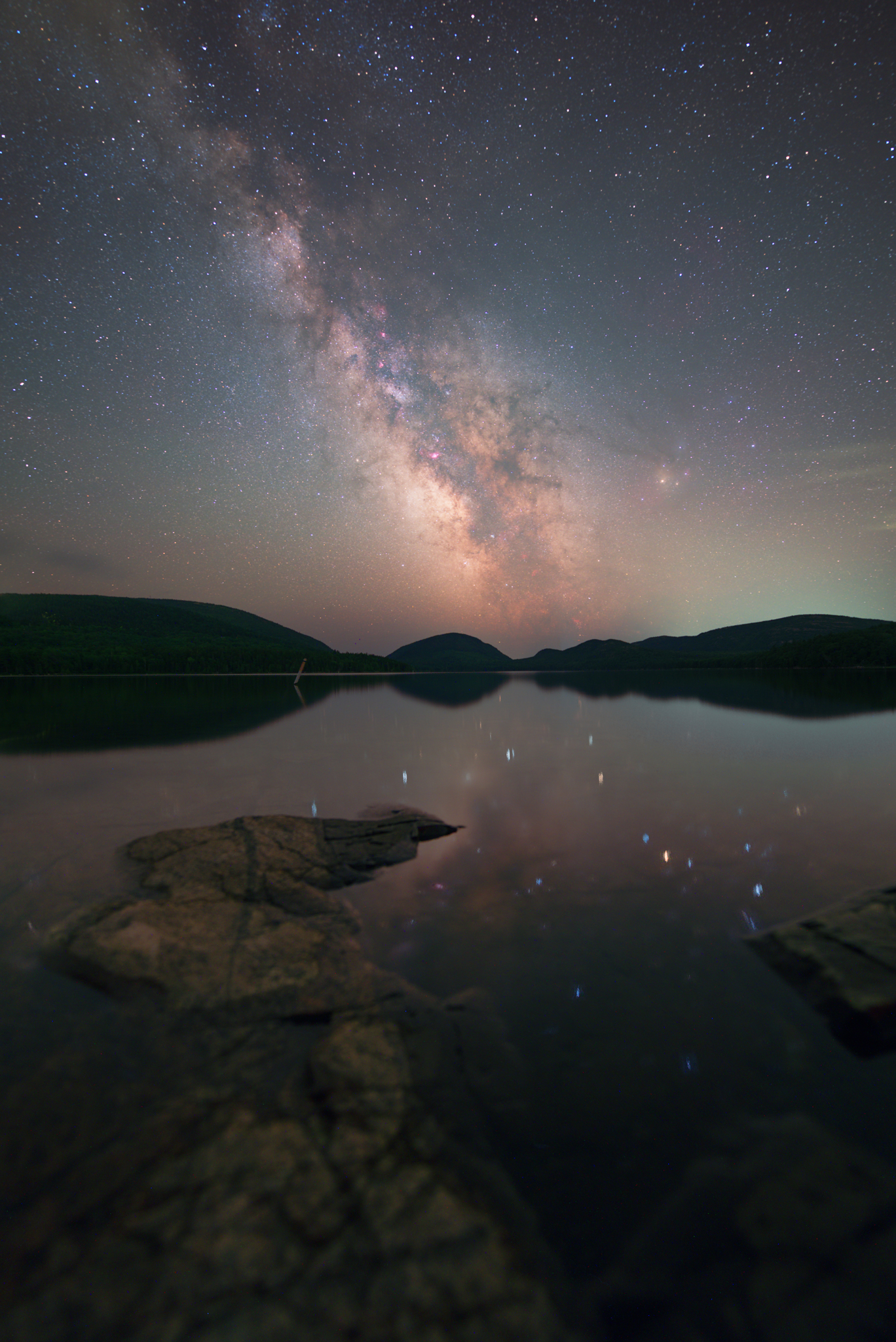
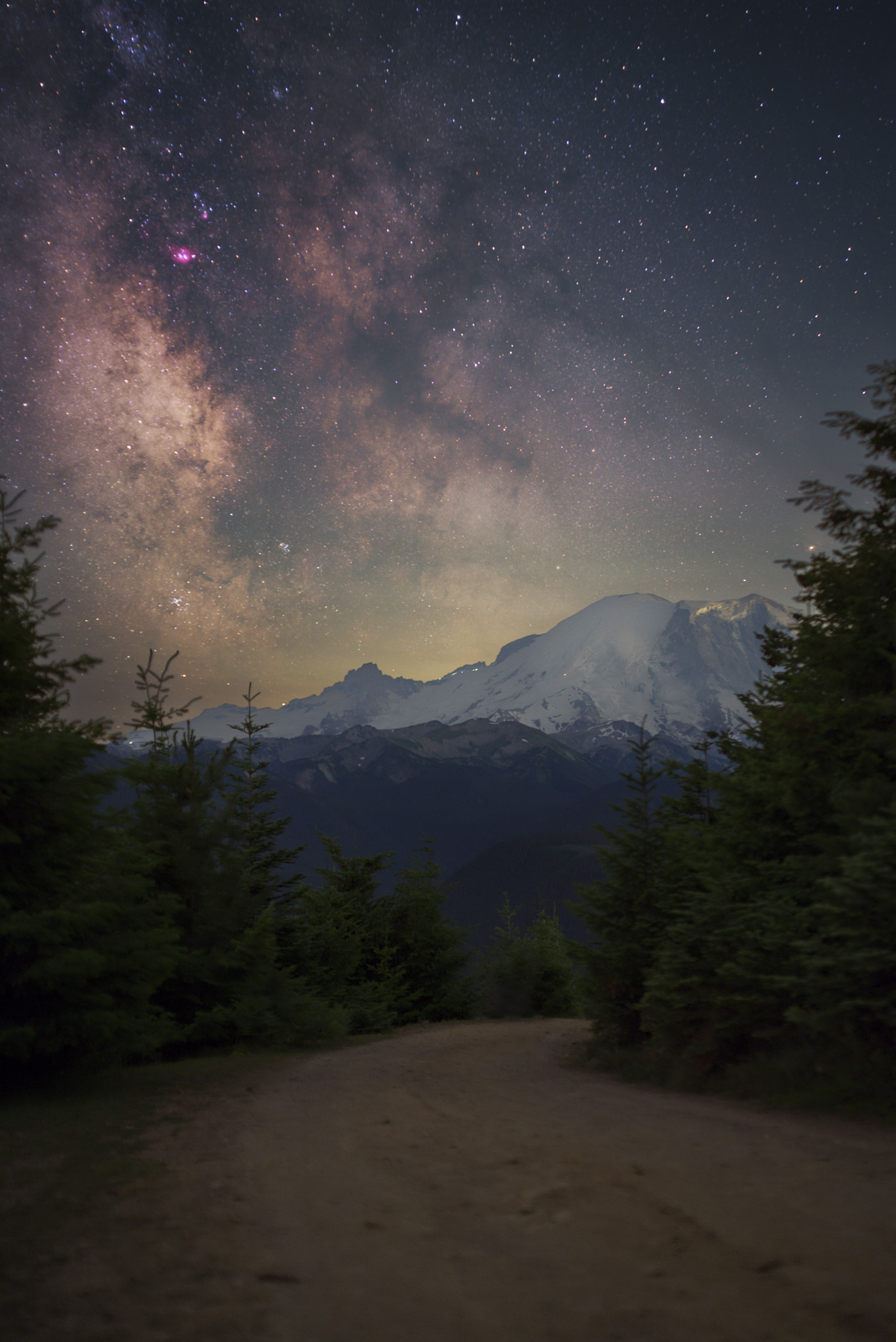
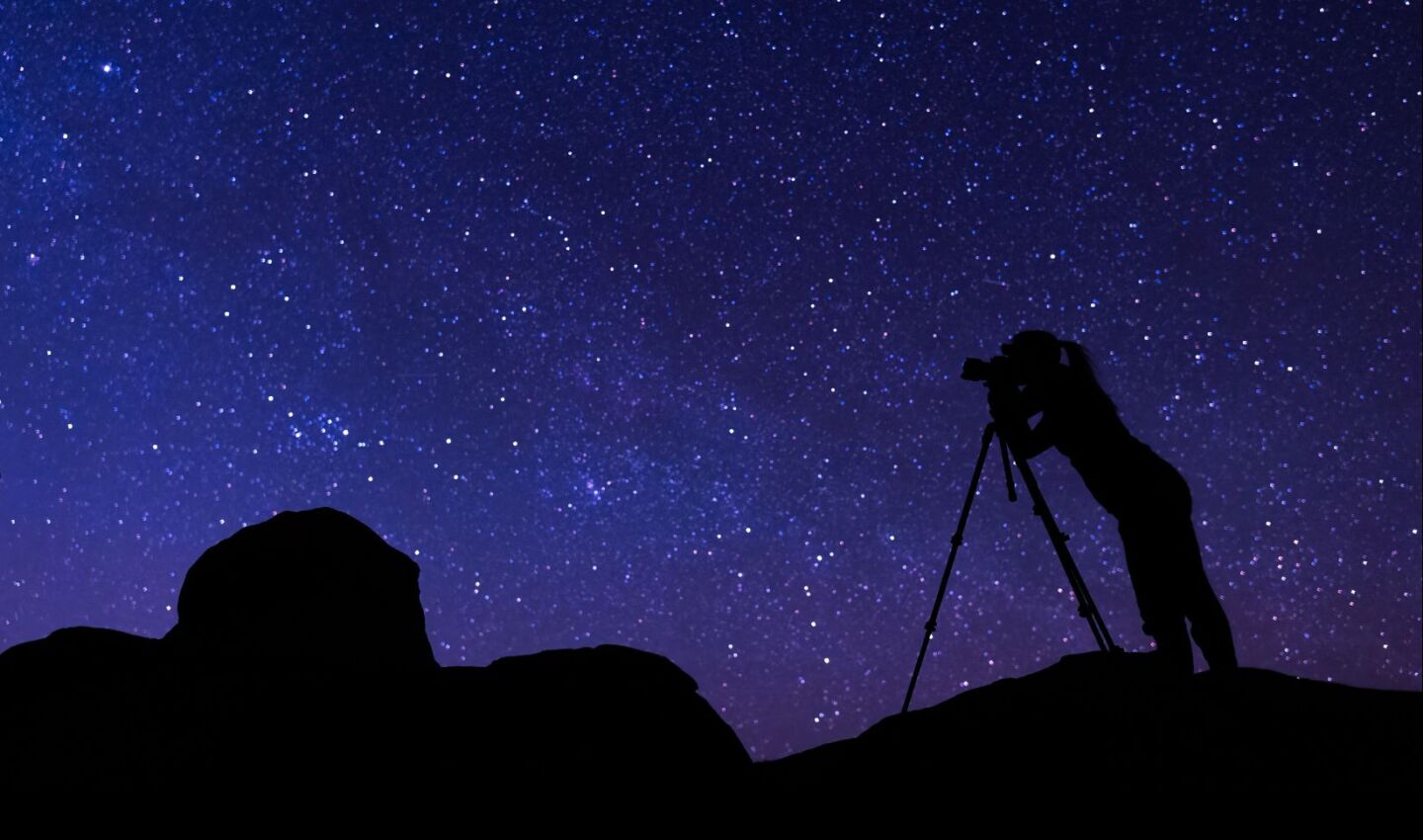
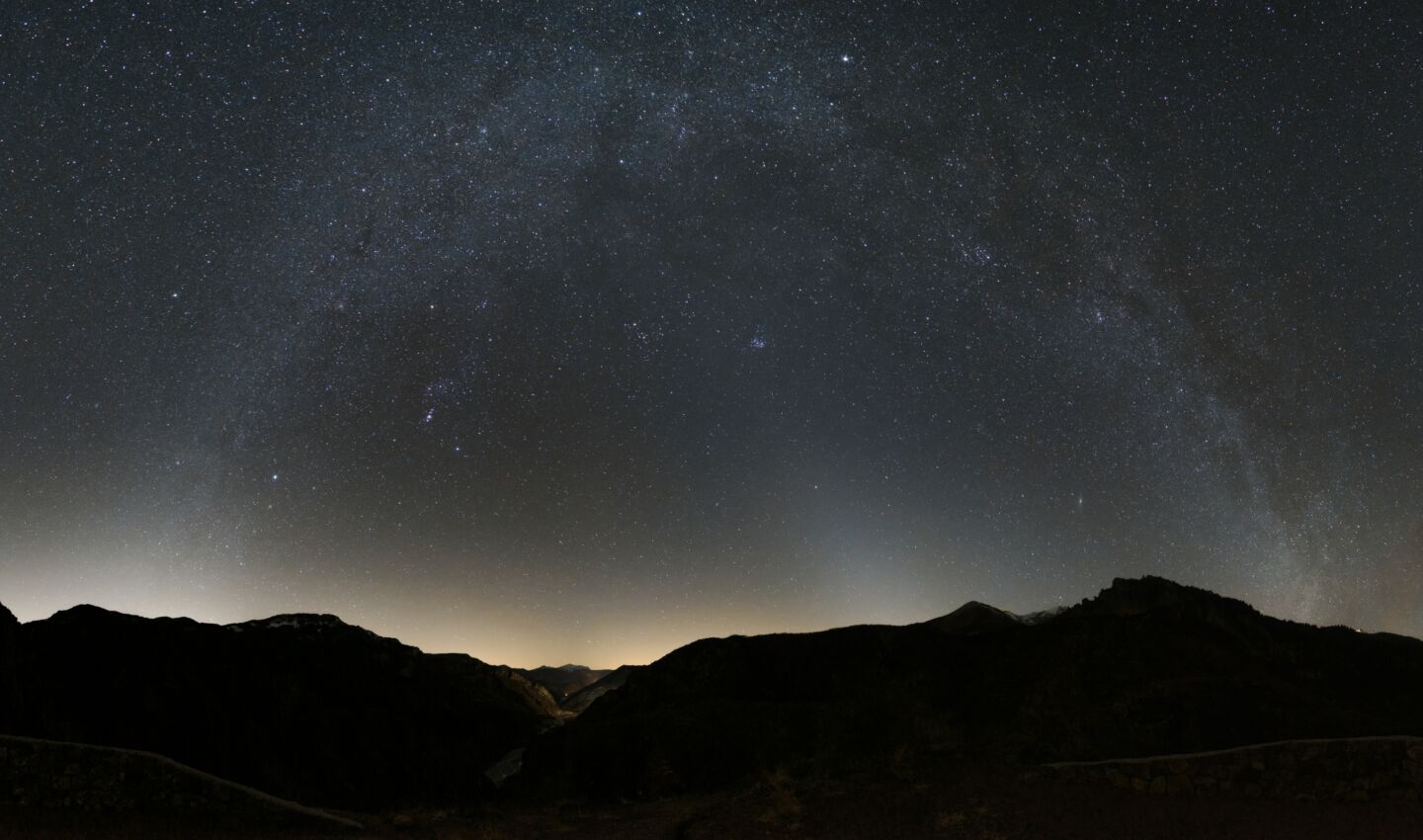
It wasn’t until a sunset photoshoot ran a bit late when I ended up taking a photo by accident. I was in a spot a little bit darker than home and when I looked at my screen, I saw stars…a lot of stars. It made me look up, kind of in disbelief to try and confirm what my camera was showing me. I didn’t know how, or where, but from that point, I knew I was going to find and take more photos of the stars.
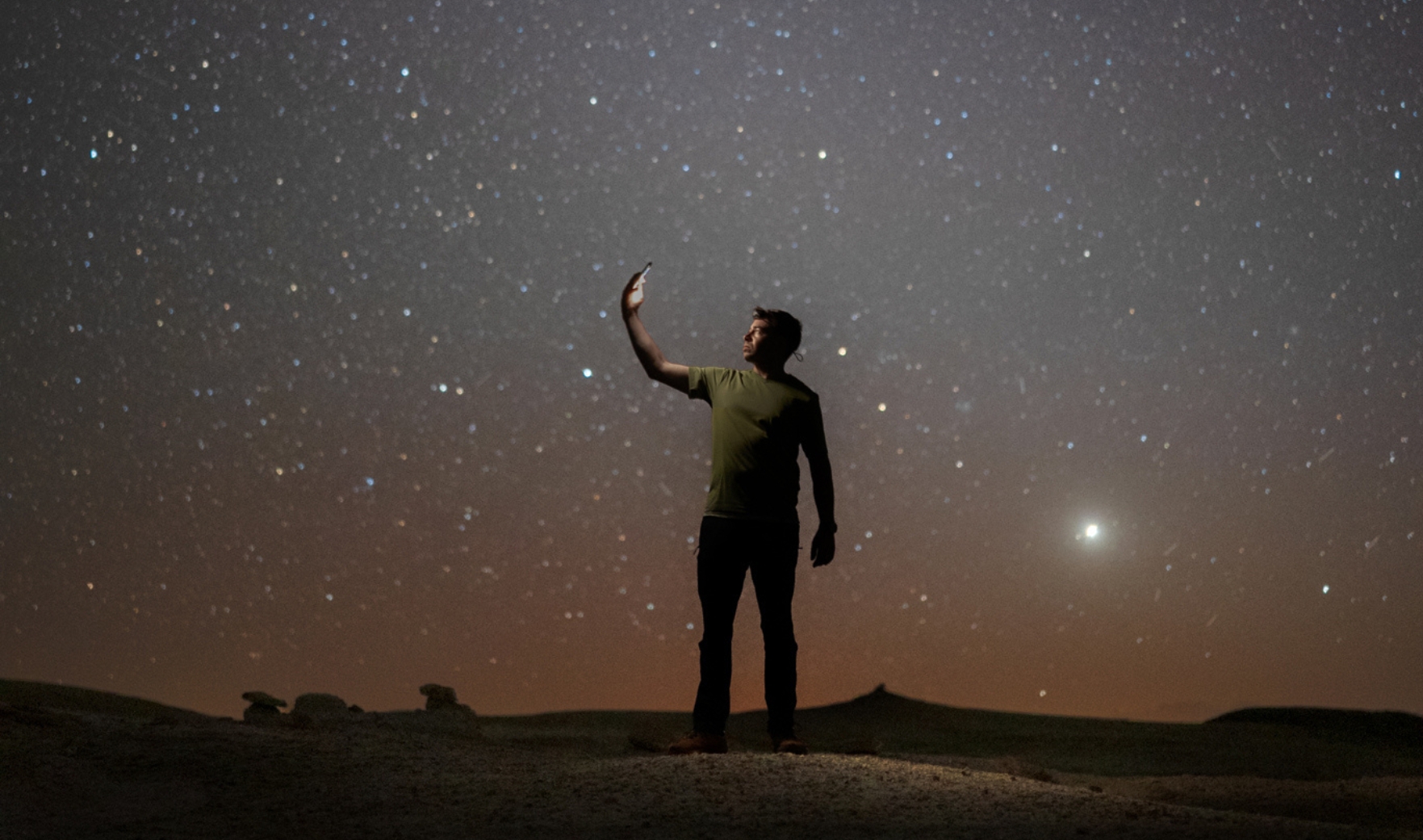
Over time, I began leading astrophotography workshops. Being able to stand next to someone and help them take their first photo of the stars and often, truly see them for the first time is such a special moment. What always hits me, is they go through something so similar to my first night taking that photo. That mix of awe and disbelief of what we’re looking at and capturing with our cameras.
For years I’ve tried to figure out ways to talk about the feeling we get when we’re under a truly dark sky. Some kind of words that you can say or write to go with a photo to help give the moment justice. Although I keep trying my best, I’ve realized over time that nothing will come to the actual feeling of standing there and looking up. So, now, I hope the words I write along with the images I take will hopefully inspire people to venture out and look up at the stars on their own.
And that’s where we end up talking about light pollution again. It’s easy to measure and advocate for something that’s been lost or taken away, or even for the wildlife that’s been impacted. But, if no one has seen the sky to begin with, there won’t be anyone to fight to save it. But, I’ve seen time and time again, the feeling someone leaves with after being under a dark sky. It’s a feeling of connection, to each other and to our universe. And that is absolutely something people will care about, defend, and carry with them.
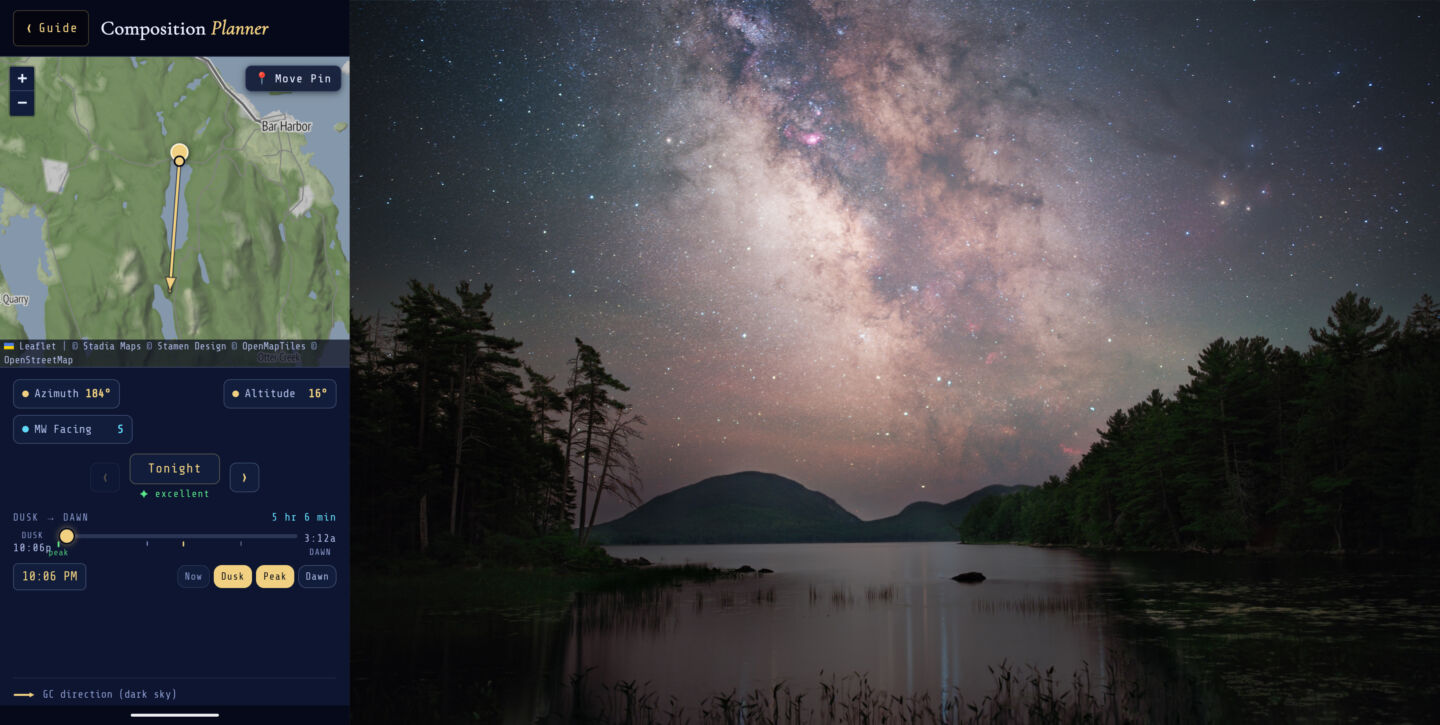
So, an app that removes the barrier and the homework of knowing when to head out, isn’t just about convenience. I mean, at its core, it’s an app to help people take photos of the stars. You can visualize your shot using AR and the Sky View function, use the exposure calculator to find the perfect shutter speed for keeping your stars sharp, have access to the entire year of Milky Way timing, and so much more. But, it’s also about helping people actually find the stars.
I’ve always felt that the more people have their own experience under the night sky, the better chance we have of protecting it. The work of Dark Sky International, and every park, community and advocate matters enormously. But, people need to look up first. So, if you haven’t yet, I hope you’ll find clear skies in your forecast, a location darker than the one you live in and a night to spend looking up, and maybe even taking a photo of it all. And after that, I think you’ll know what needs to be done.
Learn more about Jack’s work and Milky Way Tonight, and start planning your next adventure under the stars!