Our positions and statements Policy DarkSky’s positions and statements address critical issues related to light pollution and dark skies, guiding our priorities, communications, advocacy … June 17, 2026
Globe at Night 2023: Can you see the stars? Astronomy Every year, the Globe at Night international community science campaign, a program of NSF’s NOIRLab, raises awareness about the … January 4, 2023
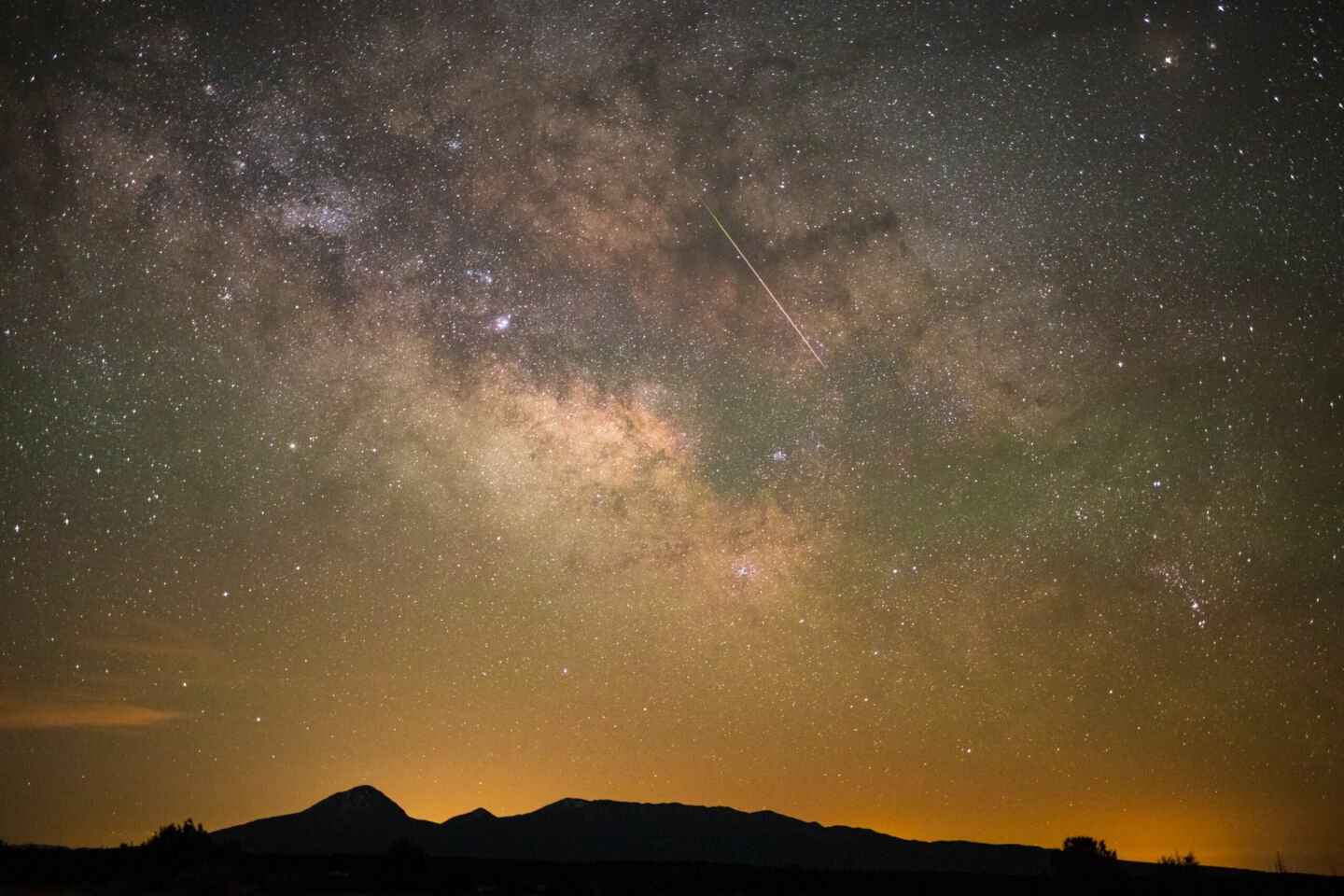
Lyrids to Put On a Show for International Dark Sky Week Astronomy Each year, the Lyrid Meteor Shower is active in mid-late April when the Earth crosses the orbital path of … April 16, 2022
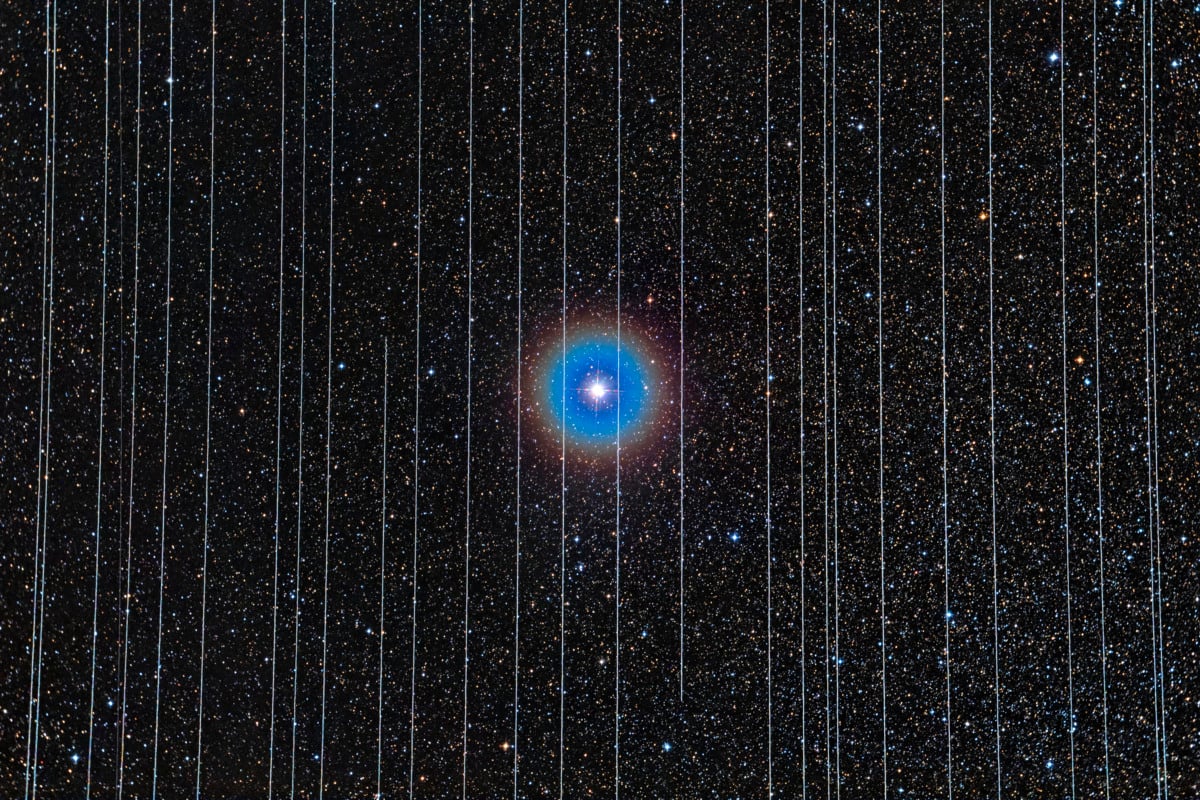
Who Owns the Night Sky? Satellites The following originally appeared as an article in Nightscape #106 (December 2021) written by Megan Eaves. To enjoy new … March 22, 2022
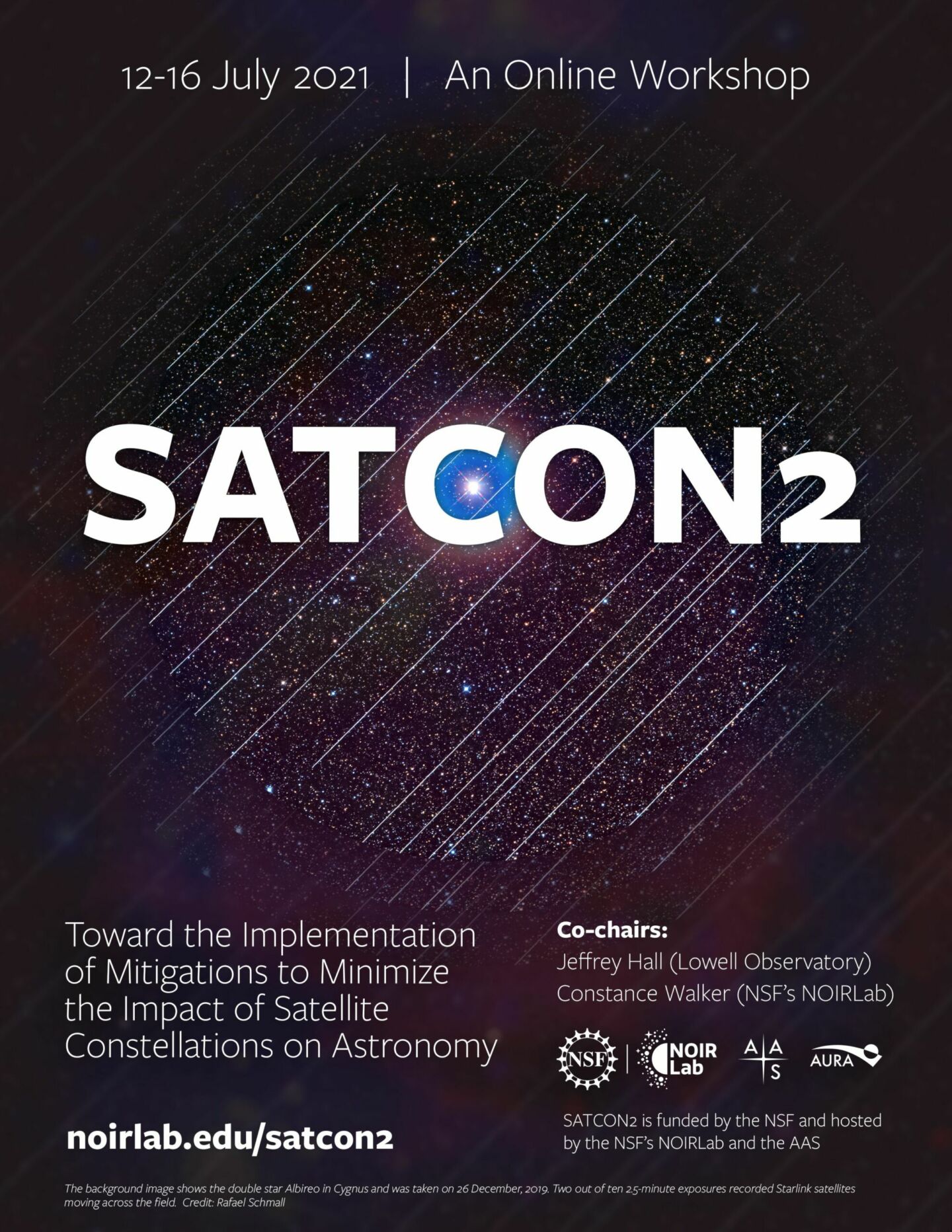
SATCON2 Workshop to Take Place in Mid-July Astronomy Interested in how to minimize the negative impacts of satellite constellations on astronomy and the night sky? Join SATCON2 … June 29, 2021
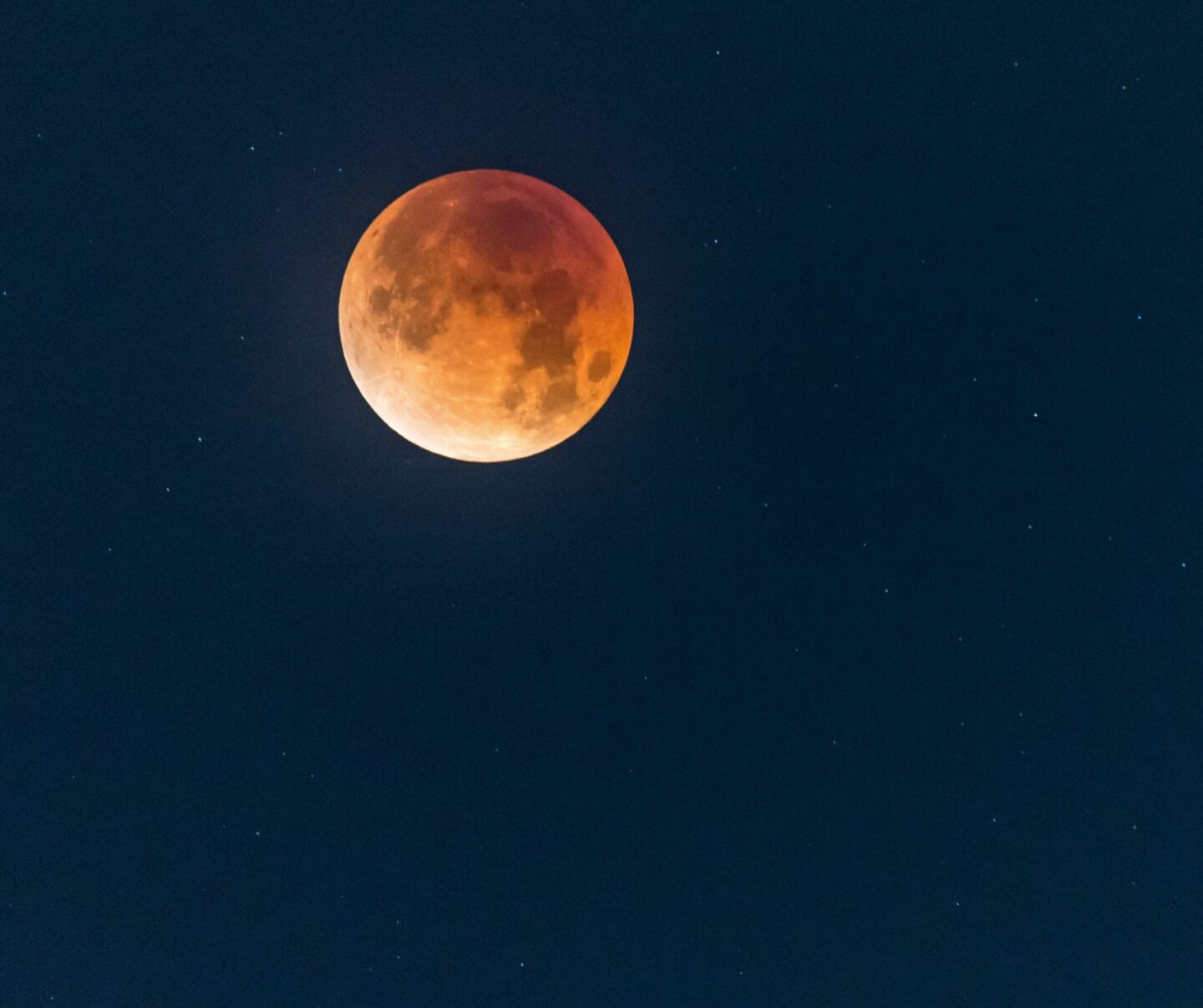
May 26th Lunar Eclipse to Delight Observers Around the World Astronomy A May 26th lunar eclipse will delight observers in western N. America, southern and far-western South America, New Zealand, … May 11, 2021
The Lyrids: The End of the Meteor Shower Drought Astronomy Each year, the Lyrid Meteor Shower is active in mid-late April marking the return of meteor showers after a … April 13, 2021
Globe at Night 2021: Can You See the Stars? Astronomy Globe at Night 2021 is a citizen-science campaign aimed at raising awareness about the impacts of light pollution. Will … January 11, 2021
Look Up: The Great Conjunction of 2020 Astronomy Look up! The Great Conjunction is a wonderful opportunity to see two object moving in the night sky relative … December 14, 2020
An Early Holiday Treat: The Geminids Astronomy Join IDA as the sky plays host to an early holiday treat: the 2020 Geminids. This is one of … December 10, 2020
Perseid Meteor Shower: How to Enjoy It and Why It Matters Astronomy The following content was developed in collaboration between the International Dark-Sky Association and Astronomers Without Borders. It’s that time … July 30, 2020
Comet NEOWISE: Catch It While You Can Astronomy If you are in the northern hemisphere, you have a once-in-6,800-year opportunity to observe Comet NEOWISE – with nothing … July 8, 2020