










Across the Northern Hemisphere, gardening season is underway. As everyone starts to refresh beds, plant containers, and dream up backyard projects, it is the perfect time to ask a new question: Does my garden support life after dark?
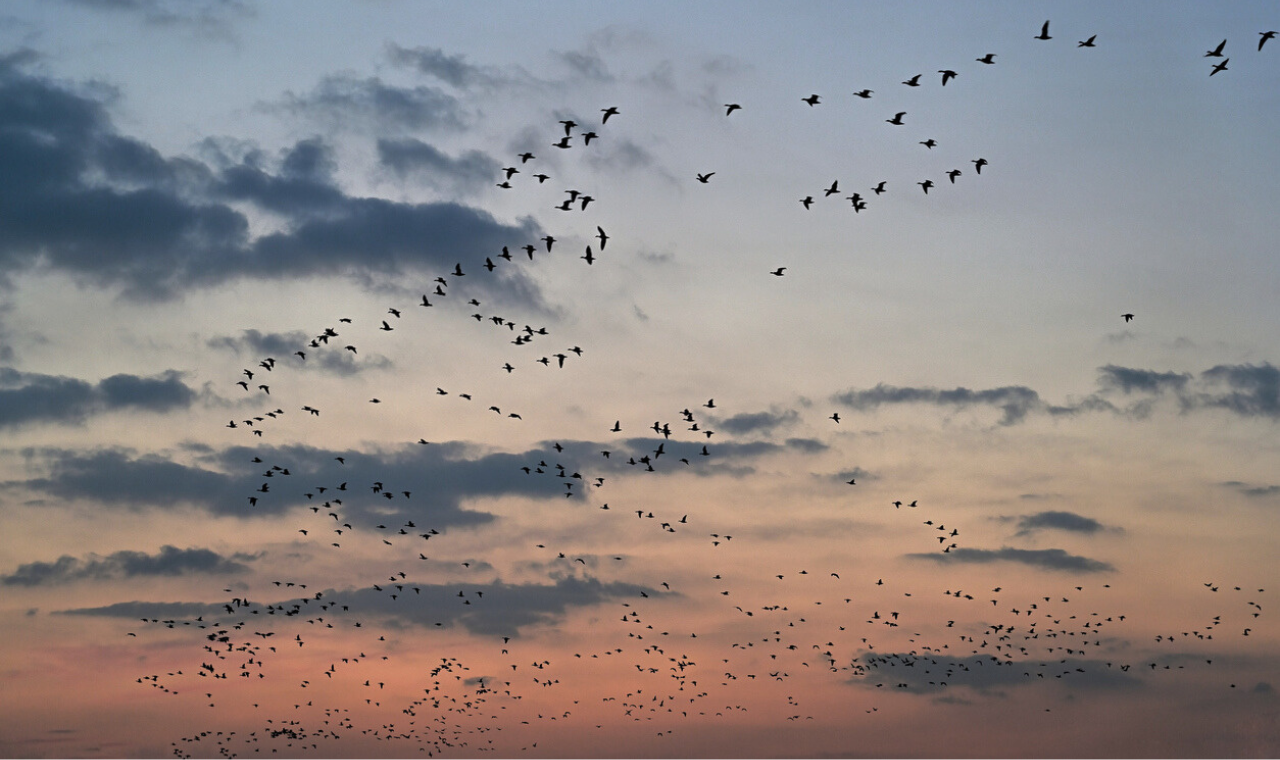
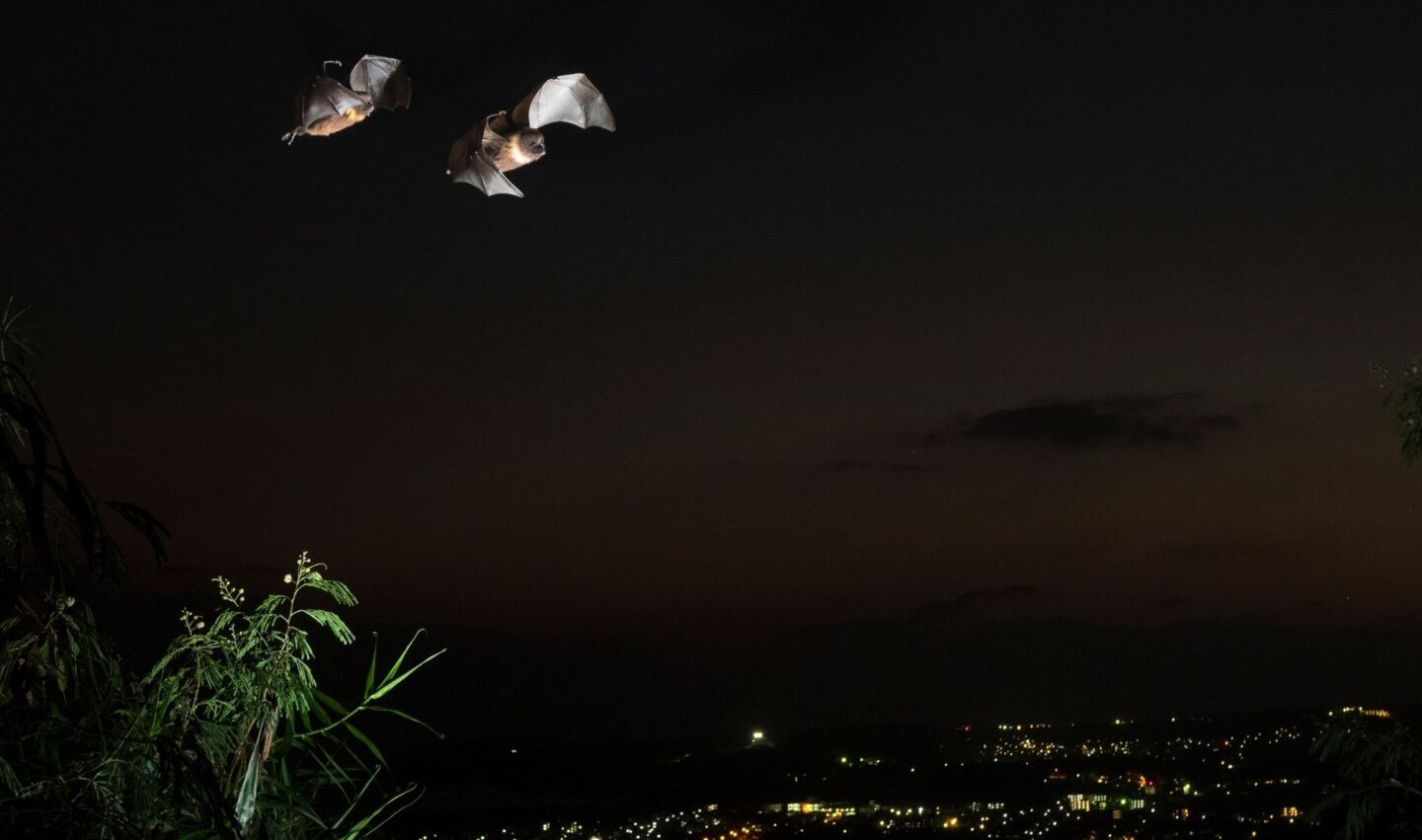
Many gardens are designed for daytime beauty, filled with color, texture, and pollinators like bees and butterflies. But sunset brings a second shift of wildlife. Moths, bats, beetles, fireflies, and other nocturnal species emerge to feed, pollinate, and move through the landscape. A garden planned with the night in mind can become a refuge for these often-overlooked creatures.
Protecting the night does not mean giving up beautiful outdoor spaces. It means designing gardens that respect natural darkness while still being safe and vibrant.
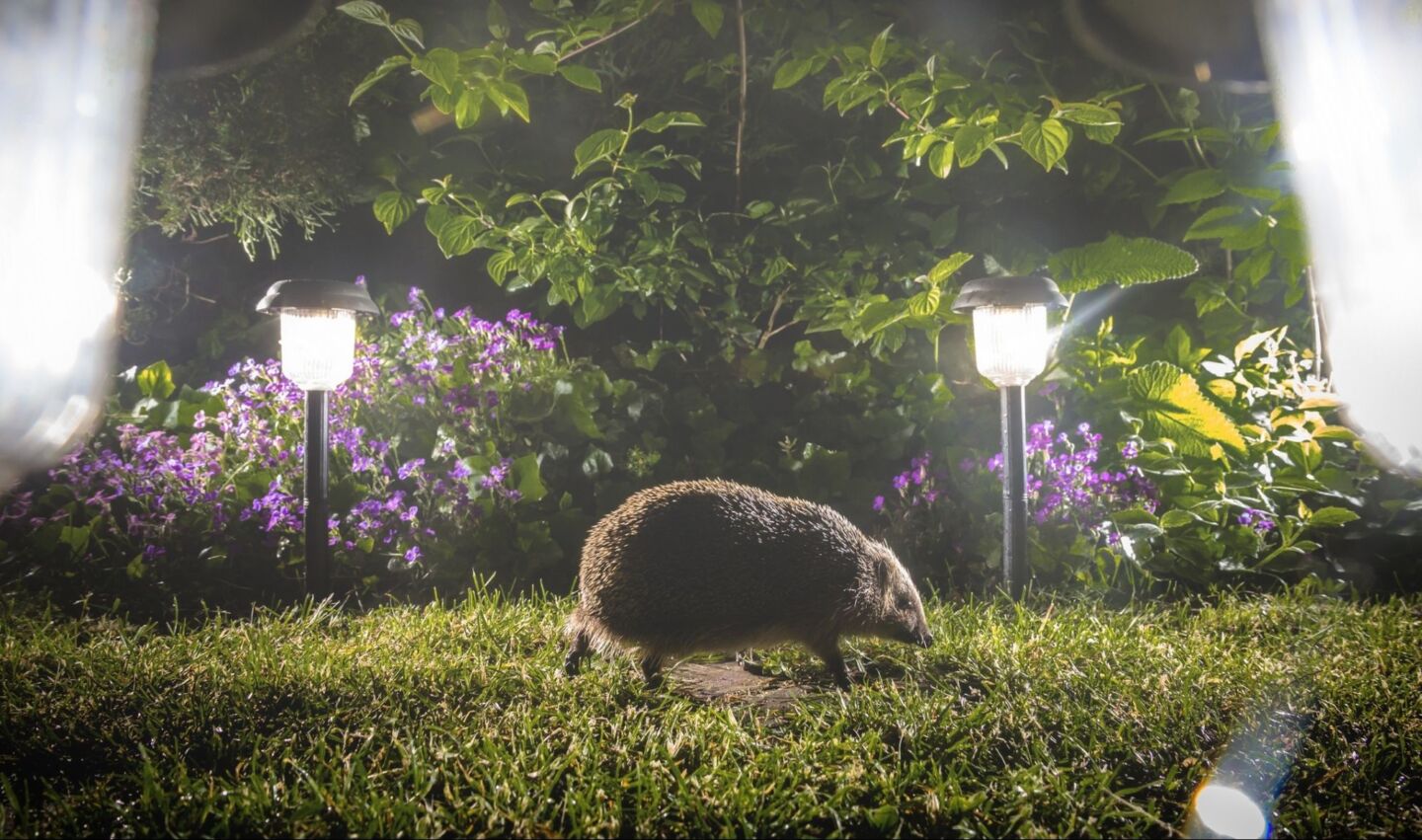
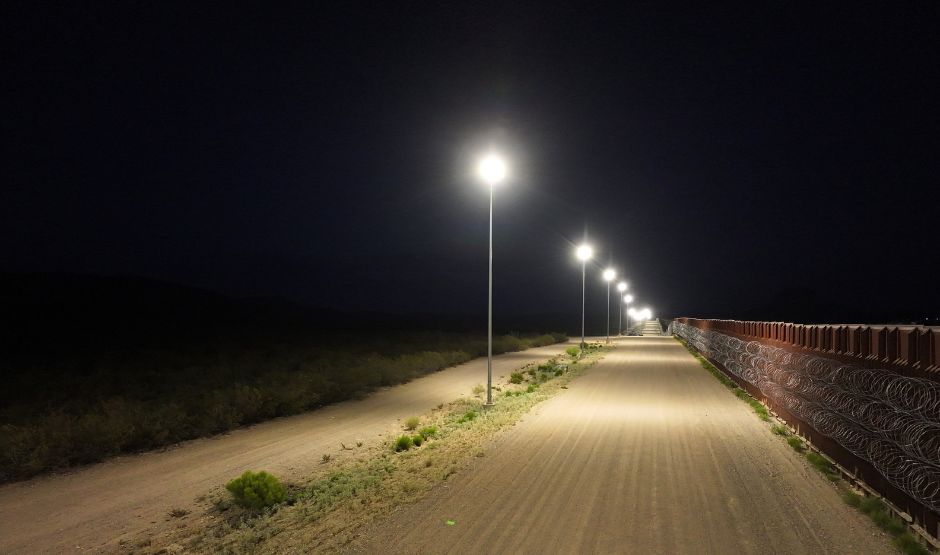
Artificial light at night can disrupt the behavior of nocturnal wildlife, as well as plants. Bright, unshielded lights may confuse pollinators, interrupt seasonal patterns, alter migration routes, and draw insects away from flowers.
When we reduce unnecessary lighting and plant with nighttime ecology in mind, gardens can become part of a healthier environment for both people and wildlife.
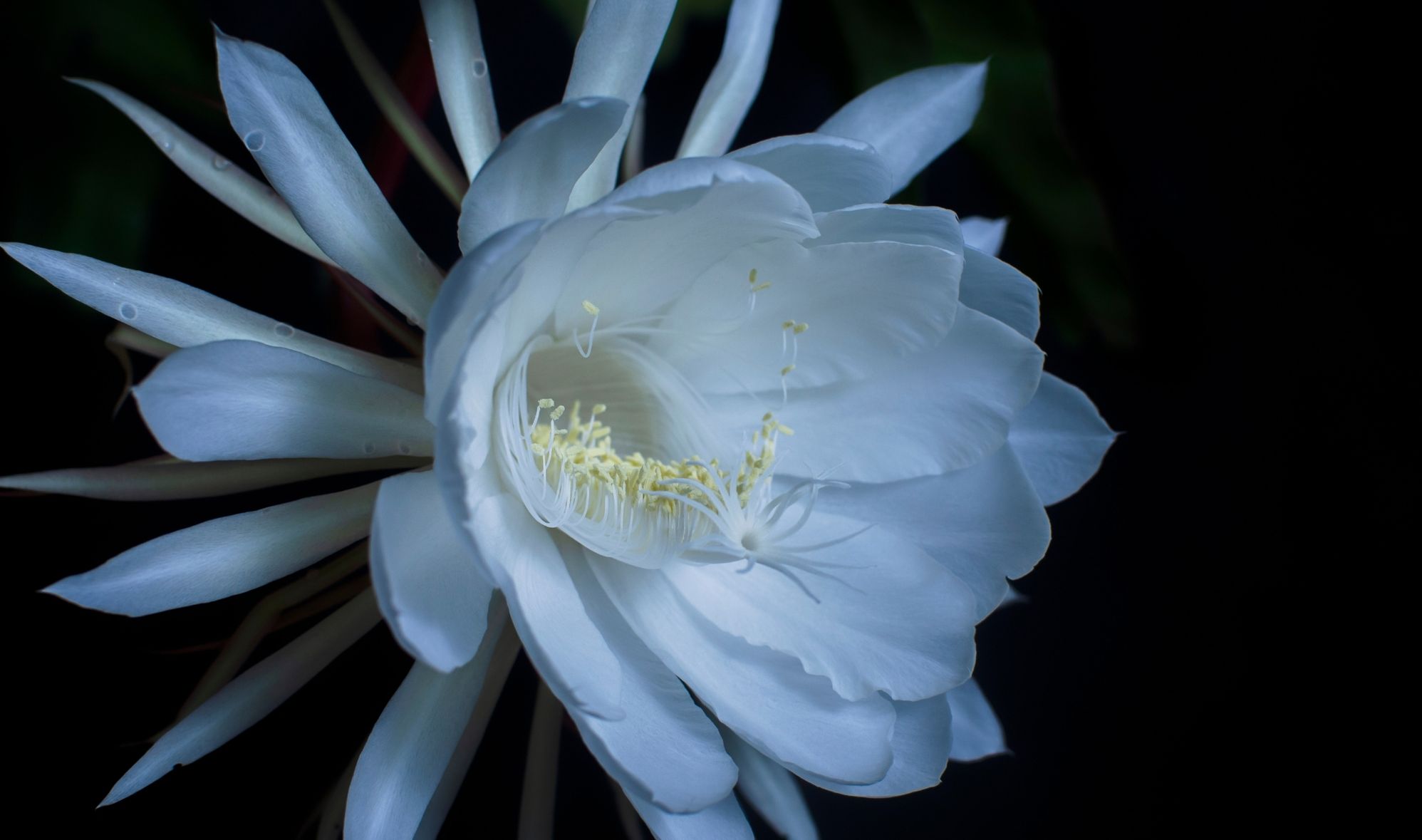
Many plants have evolved to attract nighttime pollinators with pale petals, strong evening fragrance, or blooms that open at dusk. These flowers can transform your yard into a living nighttime ecosystem.
Night-blooming plants around the world
North America
Evening Primrose (Oenothera biennis)
Sacred Datura / Moonflower (Datura wrightii)
Night-Blooming Cereus (Peniocereus greggii)
Fishbone Cactus (Epiphyllum anguliger)
Yucca species, pollinated by yucca moths
Central & South America
Flowering Tobacco (Nicotiana alata)
Queen of the Night (Epiphyllum oxypetalum)
Dragon Fruit Flower (Hylocereus undatus)
Angel’s Trumpet (Brugmansia spp.)
Night-blooming Jessamine (Cestrum nocturnum)
Europe
Night-Scented Stock (Matthiola longipetala)
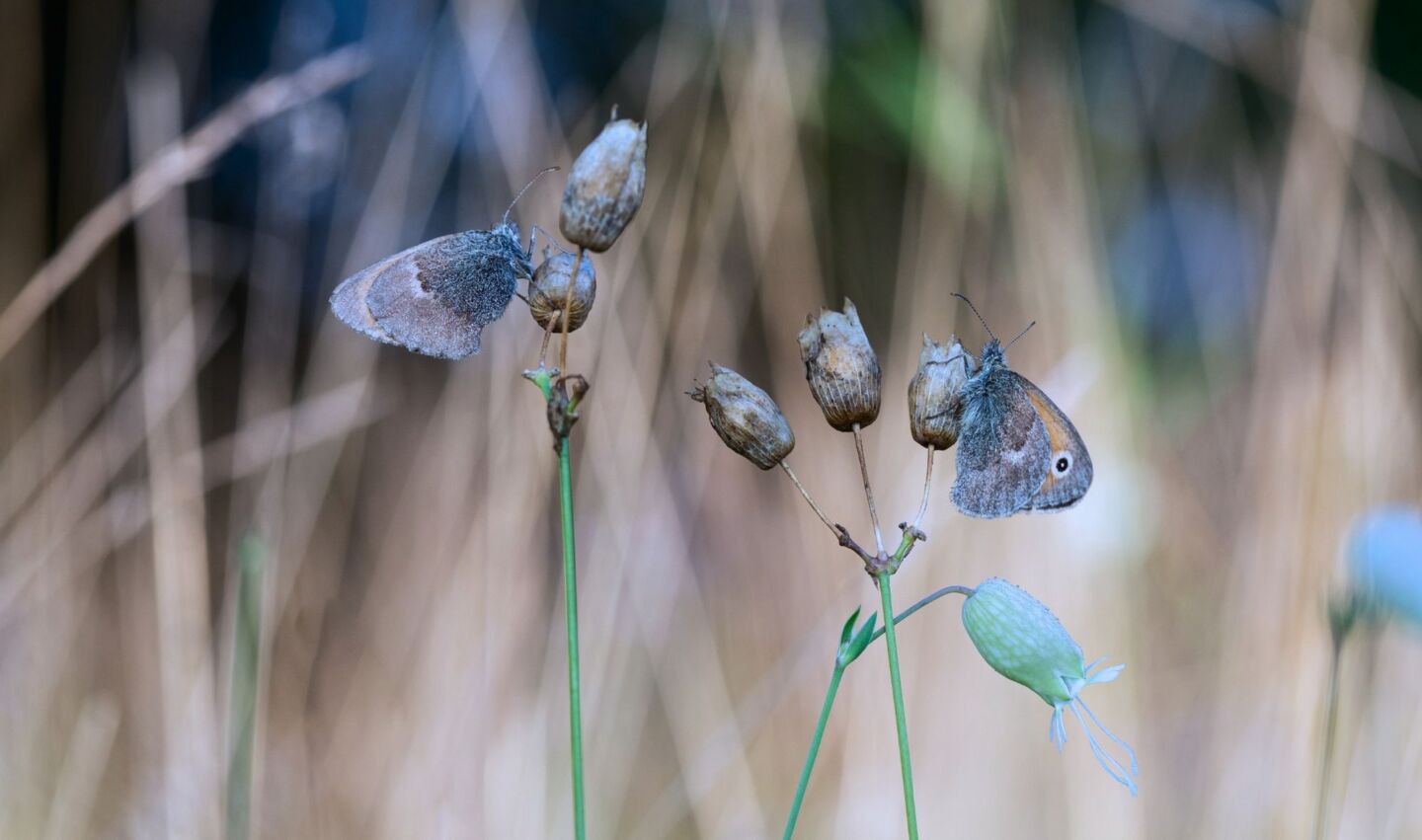
Nottingham Catchfly (Silene nutans)
Evening Campion (Silene latifolia)
Sea Daffodils (Pancratium maritimum)
Africa & Middle East
Arabian Jasmine (Jasminum sambac)
Night-blooming Aloe species
Baobab flowers (Adansonia spp.), often visited by bats
Asia
Moonflower Vine (Ipomoea alba)
Brahma Kamal (Saussurea obvallata)
Kadupul Flower (Epiphyllum oxypetalum)
Australia & Oceania
Australian Baobab (Adansonia gregorii)
Hoya species are strongly fragrant at night
Nectar-producing eucalyptus species used by nocturnal wildlife
Choose native species whenever possible, as they are often best suited to local pollinators and climate conditions.

Gardens can still be functional and inviting after dark without excessive lighting. If lighting is needed for pathways, patios, or entrances, use fixtures that minimize harm to the night. Look for DarkSky Approved Luminaires that meet standards for reducing glare, skyglow, and light trespass.
Use the Five Principles for Responsible Outdoor Lighting:
Useful – only where needed
Targeted – directed downward
Low Level – no brighter than necessary
Controlled – on timers, dimmers, or motion sensors
Warm-Colored – use warmer color temperatures
Timers are especially helpful in gardens. Enjoy your outdoor space in the evening, then allow it to return to darkness once the night settles in.Search DarkSky Approved Luminaires designed for landscaping here: https://darksky.org/what-we-do/darksky-approved/darksky-approved-luminaires-program/luminaires/#/quick_search
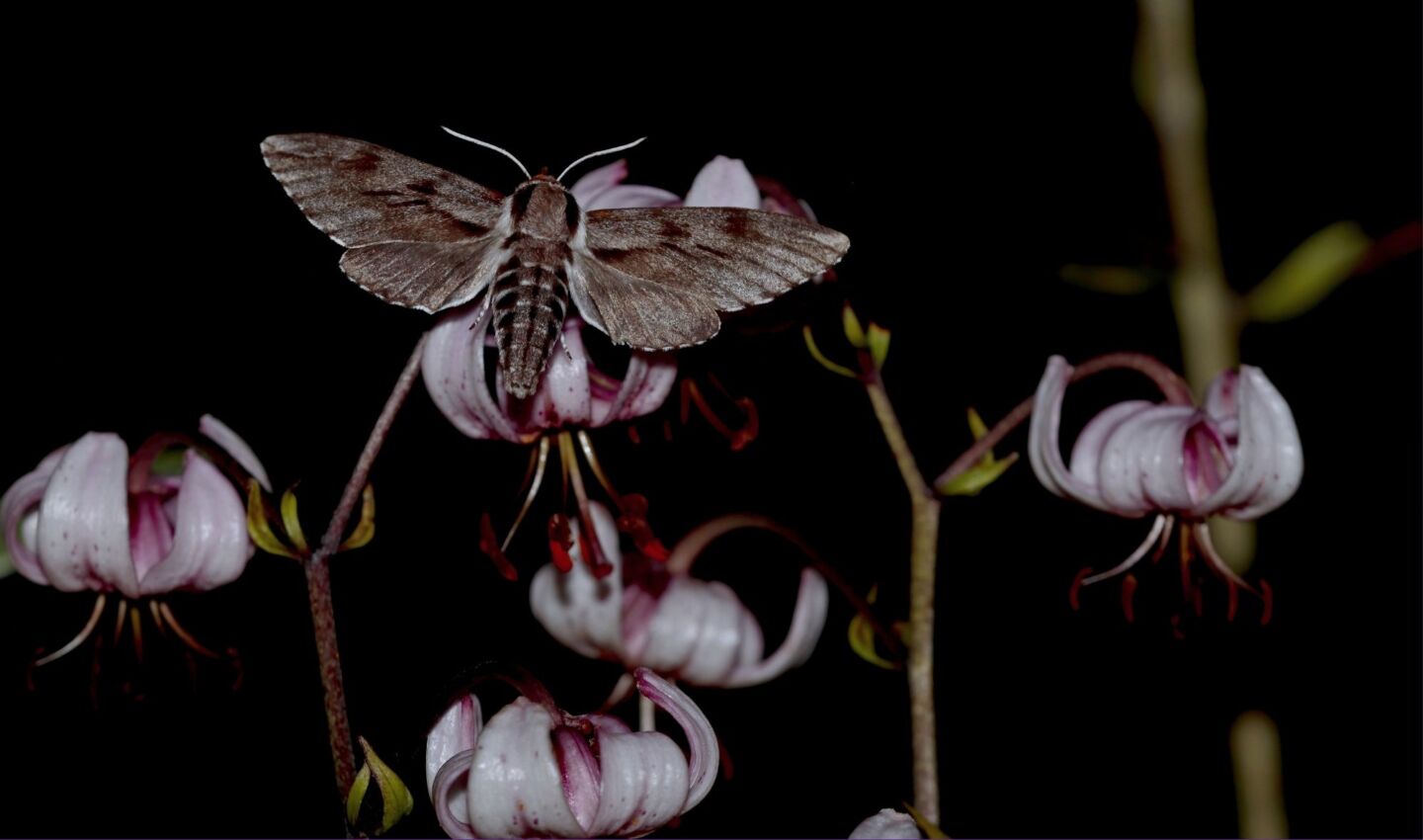
A night-friendly garden offers something rare in modern life: the chance to experience darkness as alive and full of wonder.
You may notice moths hovering over flowers, hear bats flying overhead, or catch the scent of blooms that only open after sunset. You might even see more stars.
Gardening with the night in mind helps protect biodiversity and healthier ecosystems, and reminds us that nature does not stop when the sun goes down.
As you plan your garden this year, leave room for the night.