










International Dark Sky Week 2026 was one of the most successful global celebrations of the night since the annual event was launched in 2003 by Virginia high school student Jennifer Barlow to raise awareness about light pollution.
How do we know? Event participation and global reach continue to grow each year, expanding both our mission and a global community working to protect the night.
In 2026, a record 255 community events were submitted to the International Dark Sky Week event map by International Dark Sky Places, DarkSky chapters, Advocates, and community partners around the world. From astronomy festivals and stargazing gatherings to nighttime ecology walks, educational workshops, and film screenings, people came together to celebrate the night.
The celebration extended far beyond local events through DarkSky’s global “Go Dark” social media campaign, which reached millions, filling social feeds with astrophotography, event highlights, and stories picked up by major news outlets showcasing dark sky conservation efforts around the world.
Advocates and supporters across multiple countries also helped secure 103 International Dark Sky Week proclamations and letters of support, official recognitions by local and regional governments that further demonstrated growing awareness of and commitment to dark sky conservation.
This growing momentum of proclamations reached a new level in the United States. In a powerful example of the unity the night sky can inspire, a major milestone in national recognition was reached on April 30, when the U.S. Senate unanimously passed a bipartisan resolution recognizing April 20–26, 2026, as “National Dark Sky Week,” led by Senators Mark Kelly (Arizona), Catherine Cortez Masto (Nevada), John Curtis (Utah), and Jacky Rosen (Nevada).While more than 255 events were officially submitted to the International Dark Sky Week community map, countless more celebrations and local efforts took place around the world. And while we cannot highlight them all, we wanted to share a few stories and photographs from the week, offering a small glimpse into this extraordinary global celebration of the night.
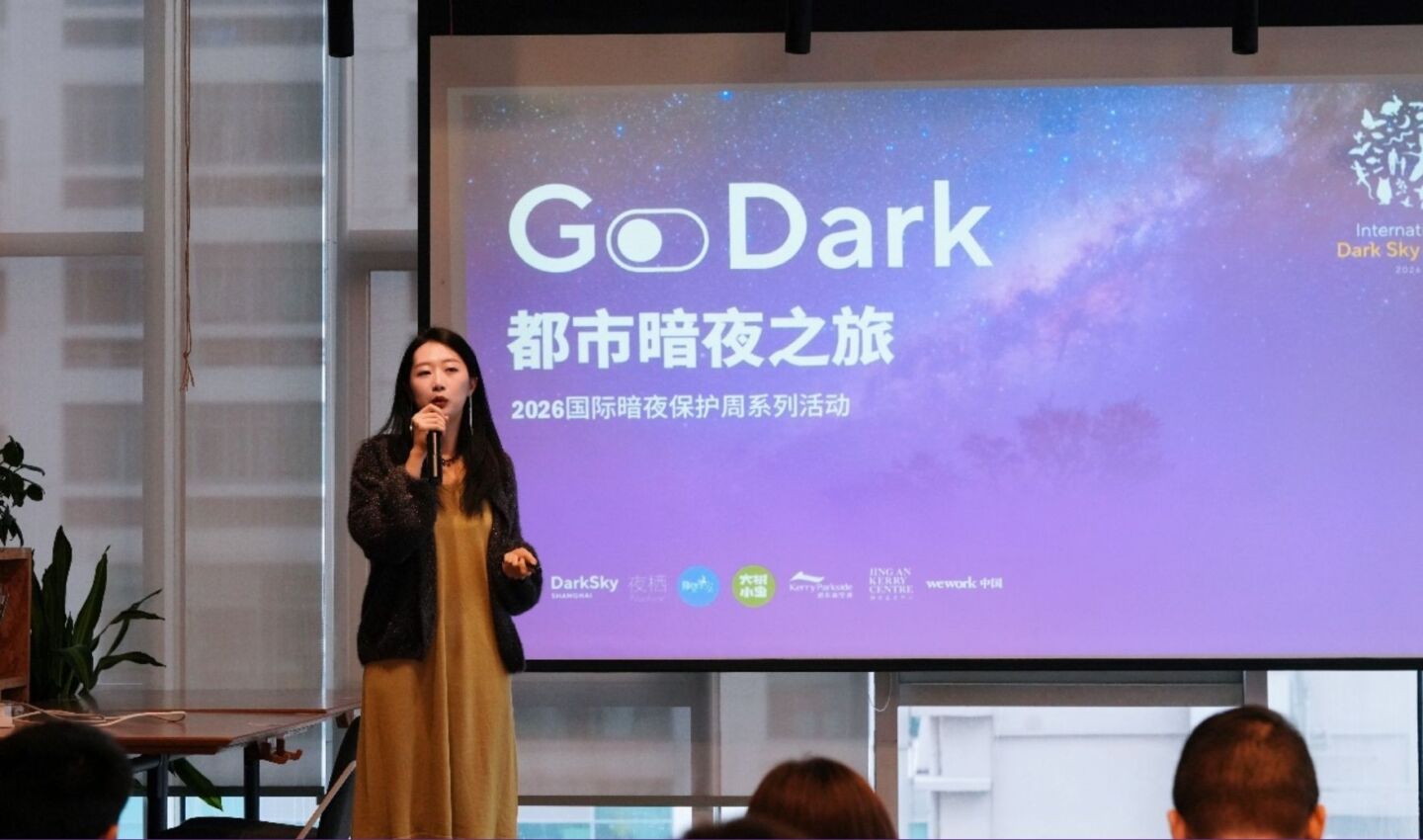
In one of the world’s brightest megacities, DarkSky Shanghai hosted a remarkable series of International Dark Sky Week events exploring the relationship between urban life and natural darkness.
The week included an “Urban Ecology Night,” an “Urban Starry Night,” and a “Night Sky & Art Night,” bringing together astronomy, public art, environmental education, and conversations about the effects of light pollution in dense urban environments.
By combining culture, science, and community engagement, the events demonstrated that meaningful dark sky conversations can happen even in the heart of some of the world’s largest cities.
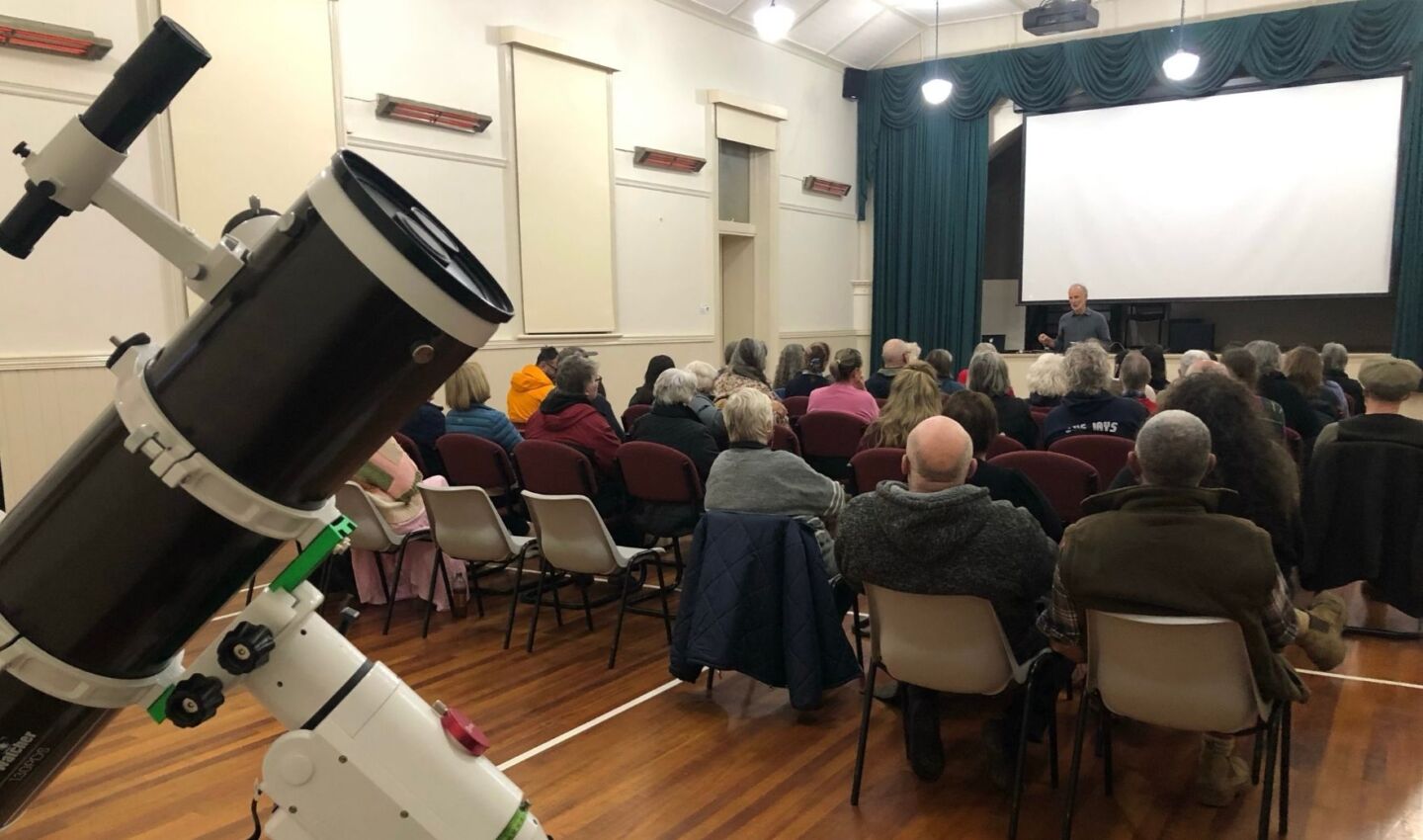
In Ross, Tasmania, nearly 50 attendees gathered for “Reach for the Stars,” an evening film screening and presentation focused on the importance of dark skies.
The event combined astronomy education with community storytelling and highlighted Tasmania’s unique opportunities for dark sky tourism and conservation.
Elsewhere in Australia, the “Ultimate Dark Sky Sydney Weekend” brought together more than 250 participants for a large-scale celebration of astronomy and nighttime experiences, demonstrating growing interest in dark sky protection even near major metropolitan areas.
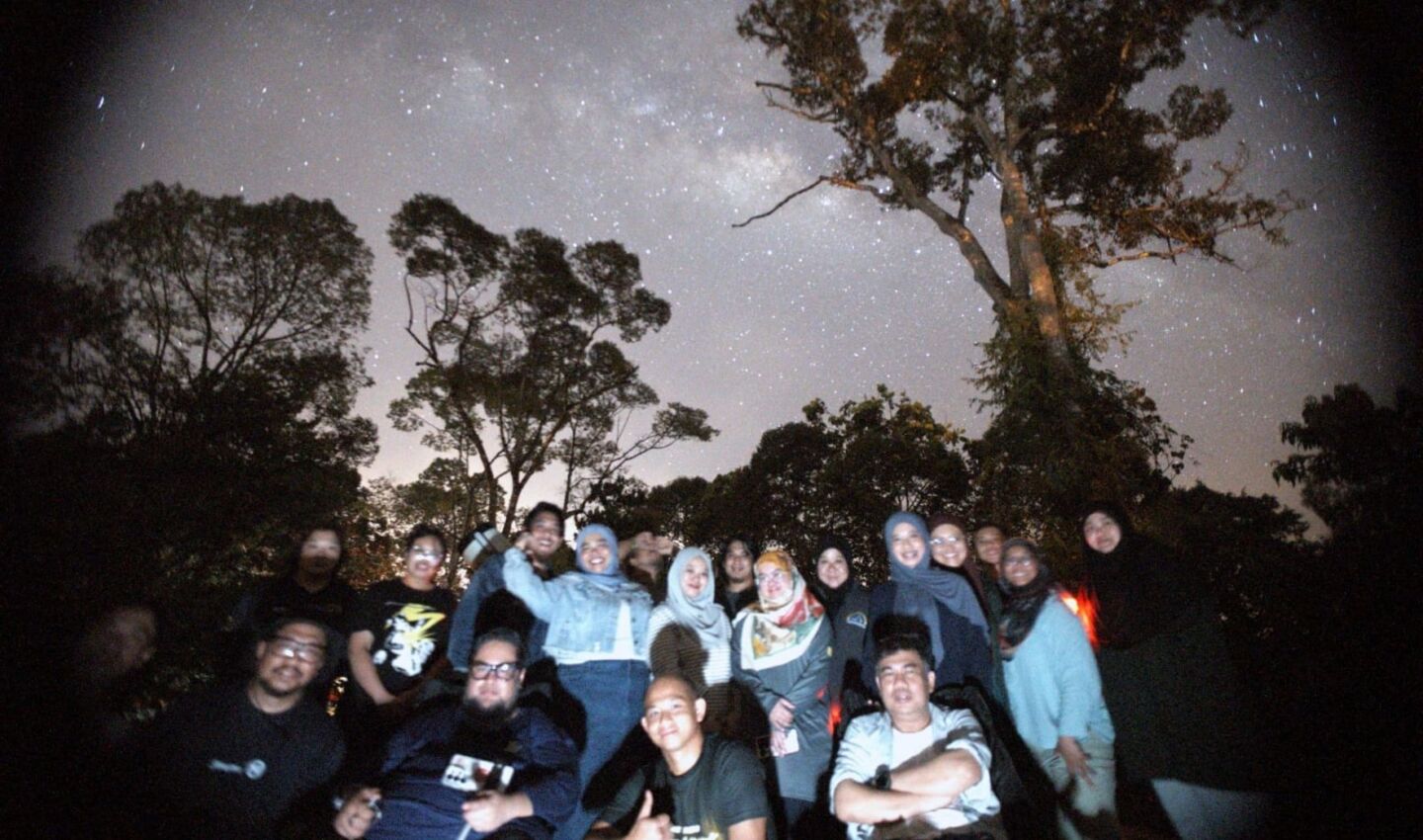
In Brunei, families, students, and astronomy enthusiasts gathered for nighttime observing programs that introduced participants to the stars, planets, and constellations visible above Southeast Asia’s tropical skies.
Blending astronomy education with community engagement, the events reflected the growing momentum for dark sky awareness in the region and highlighted how the night sky continues to inspire curiosity, cultural connection, and environmental stewardship across generations.
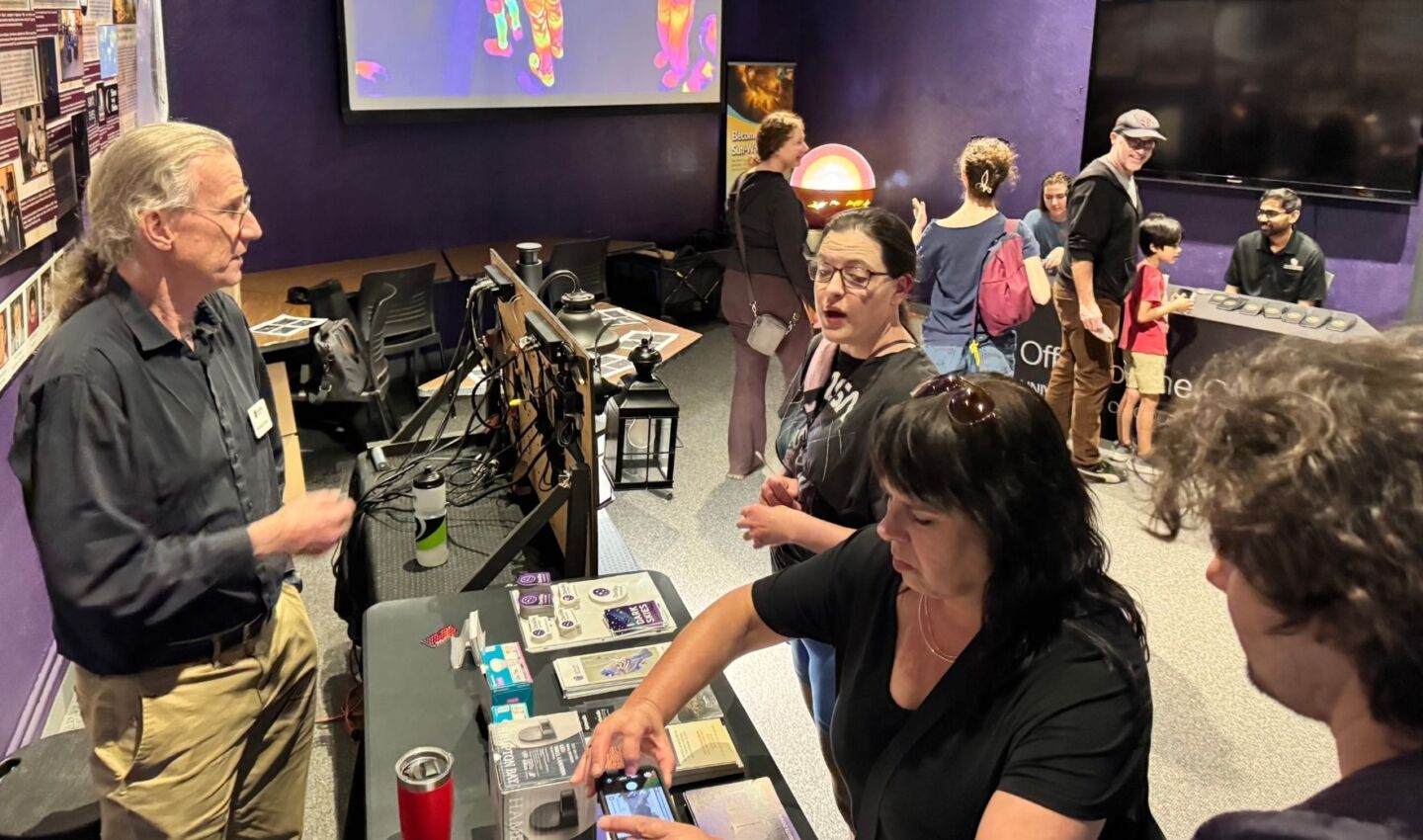
At the University of Colorado Boulder, Fiske Planetarium welcomed approximately 400 visitors for its Astronomy and Earth Day celebration during International Dark Sky Week. The event featured educational programming connecting astronomy, environmental stewardship, and the importance of reducing light pollution.
Meanwhile in Grand Lake, Colorado, astrophotography workshops helped participants learn how to responsibly photograph the night sky while gaining a deeper appreciation for preserving natural darkness.
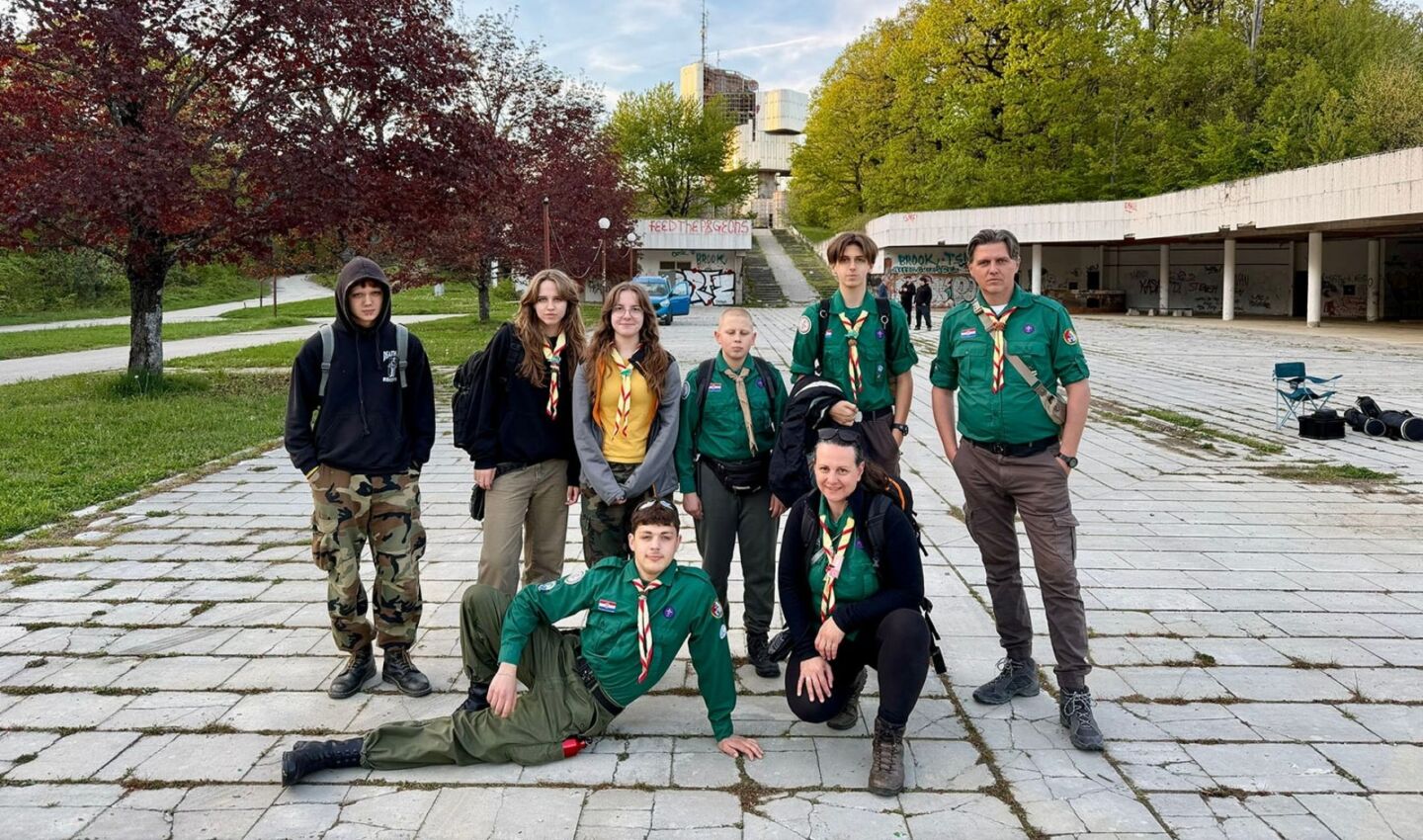
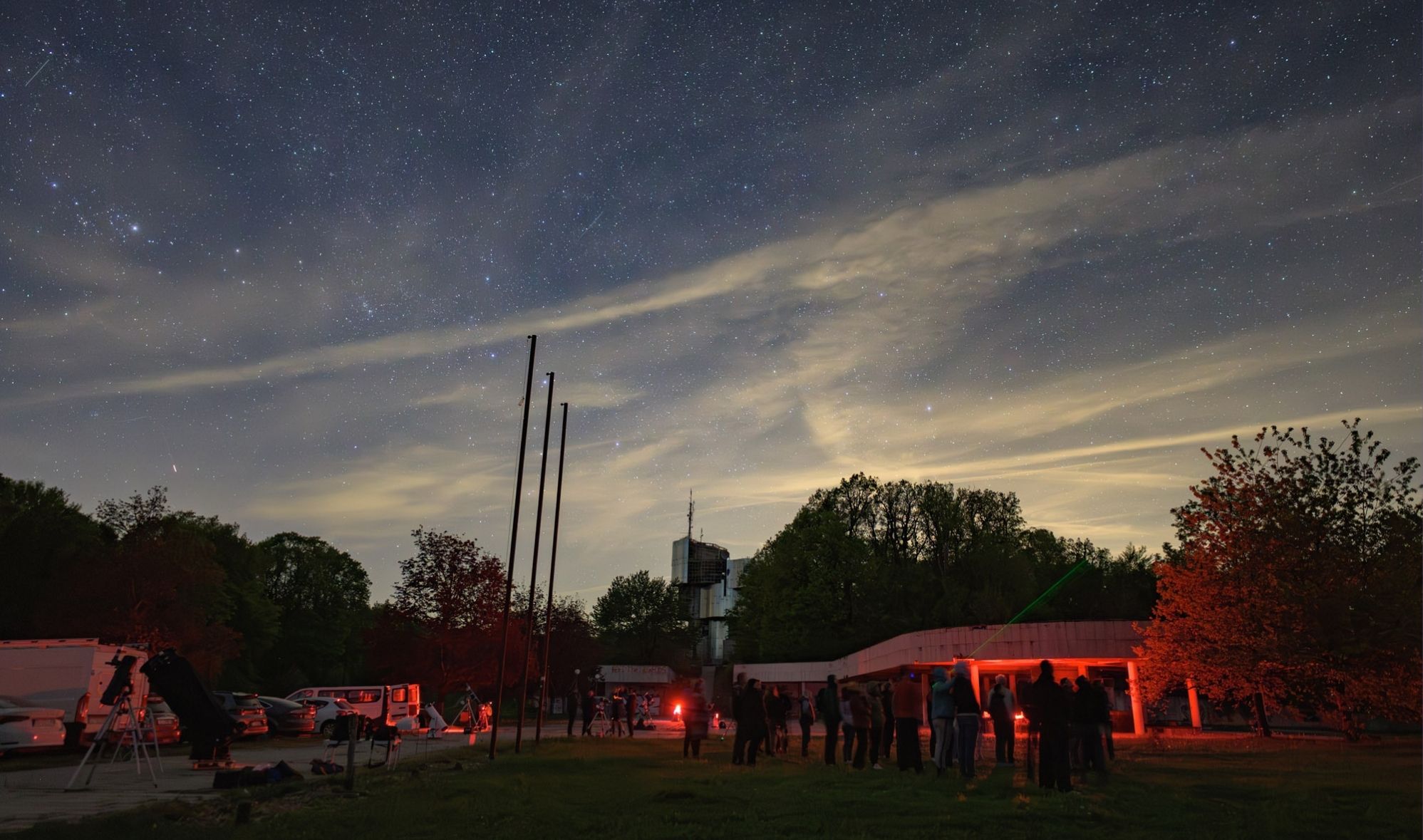
One of the most symbolic events of the week took place at Petrova Gora in Croatia, where a public star party was held following the removal of signal lighting from communication towers that had previously impacted the site’s dark skies.
For attendees, the event represented more than astronomy. It was a celebration of restoration and proof that communities can successfully reclaim the night through thoughtful lighting decisions.
At Anza-Borrego Desert State Park in California, hundreds gathered for an evening of astronomy programming and stargazing in one of the darkest desert landscapes in North America. Professional astronomers from the San Diego Astronomy Association joined campers and visitors for telescope viewing, solar observing, and discussions about the importance of protecting dark skies in public lands.
Elsewhere in California’s high desert, the “Desert After Dark” program in Joshua Tree explored the connection between darkness, ecology, and scientific research, highlighting how artificial light impacts wildlife and fragile desert ecosystems.
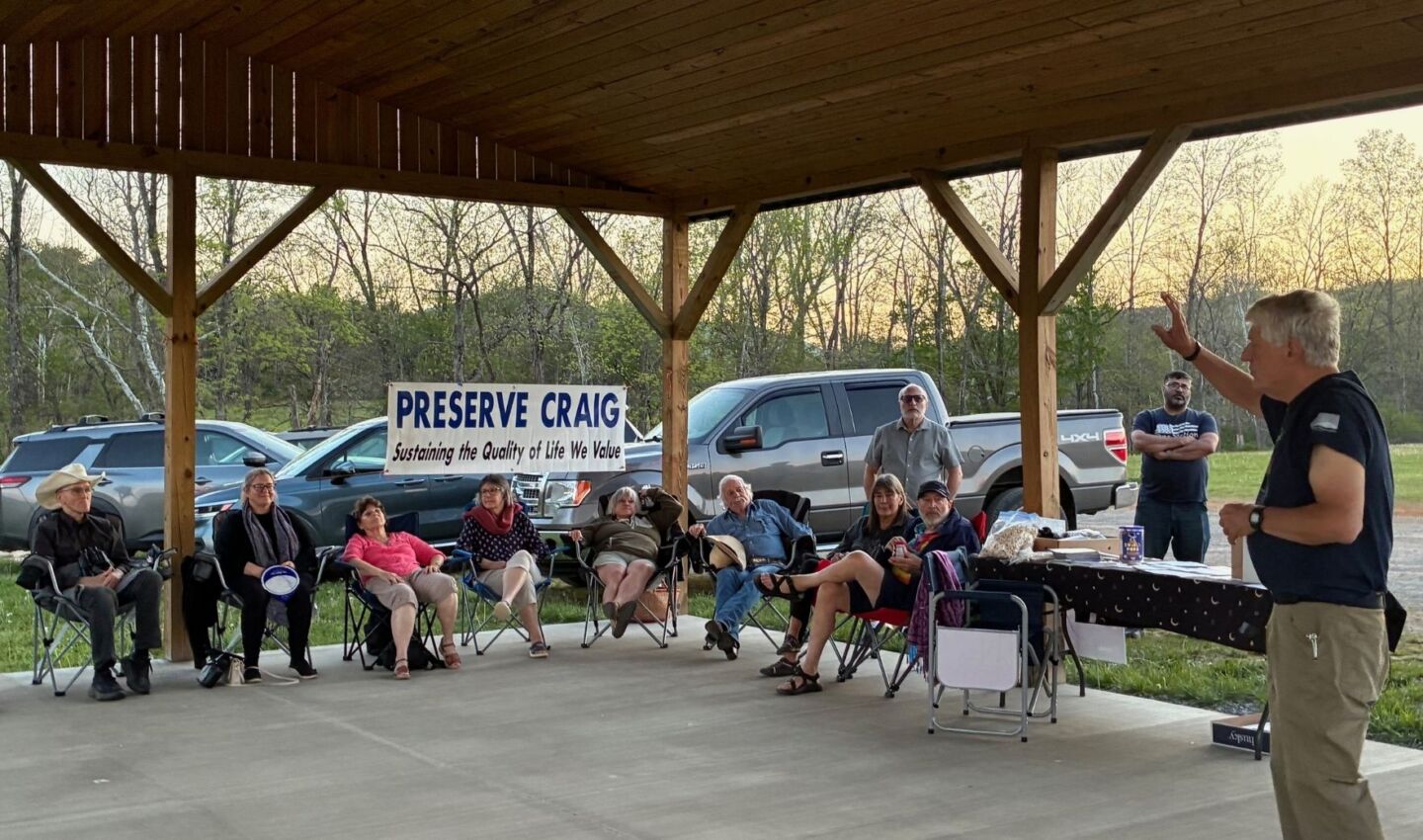
In Craig County, Virginia, Preserve Craig organized dark sky trivia and educational programming for middle and high school students, reaching more than 170 young people.
Programs like these continue to demonstrate how International Dark Sky Week helps inspire the next generation of environmental stewards, scientists, photographers, educators, and advocates.
Near Sydney, more than 250 participants attended the “Ultimate Dark Sky Sydney Weekend,” a large-scale gathering focused on astronomy, dark sky tourism, and nighttime experiences. The event demonstrated growing public interest in dark sky protection even near major metropolitan regions.
In a landmark step for dark sky conservation in India, the state of Maharashtra officially participated in International Dark Sky Week 2026 through the government-led “Khagol Darshan Mahotsav 2026” (Stargazing Festival). Organized by the Maharashtra Tourism Development Corporation under the Department of Tourism and implemented by AstronEra, the three-day festival brought astronomy, conservation, and sustainable tourism together at Lonar Crater and Harihareshwar.
The event engaged an estimated 2,000 participants through telescope viewing, constellation walks, documentary screenings, and hands-on demonstrations of responsible lighting, while also highlighting the importance of protecting coastal biodiversity and natural nightscapes.
To everyone who helped make International Dark Sky Week 2026 possible, thank you. From local organizers and advocates to parks, communities, photographers, educators, astronomers, and first-time participants, your efforts helped create one of the largest global celebrations of the night in the event’s history.
And to the many individuals and communities whose stories, photographs, and events we were unable to feature in this article, please know your participation mattered deeply. Every gathering, shared image, community proclamation, and moment spent under the stars helped strengthen the growing global movement to protect the night for people, wildlife, and future generations alike.