







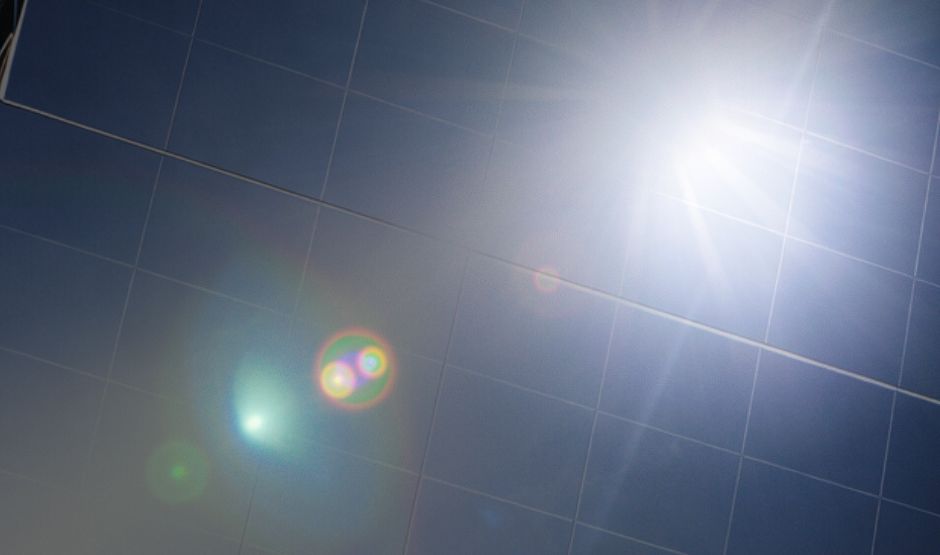
A California startup wants to sell sunlight after dark, beamed down from mirrors in orbit. Its leaders say they will only shine that light where people want it. Today, DarkSky International is giving people everywhere a clear way to say they do not.
Our new resources are the first policies written specifically to regulate sunlight reflected from orbit. They are free and ready to use, and they let anyone, from a single landowner to a national government, put their answer on the record.
In July 2026, the Federal Communications Commission (FCC) approved Earendil-1, the first test satellite from Reflect Orbital. It will unfold a mirror about 18 meters across, 600 to 650 kilometers above Earth, and steer sunlight onto a patch of ground roughly five kilometers wide. The company plans to follow it with thousands more, and up to 50,000 in time.
This is light pollution from space. Unlike a streetlight, it cannot be switched off, shielded, or voted out at a town meeting. If the business succeeds, a private company in orbit will decide when the night ends over homes, farms, and wildlife habitat.
No law anywhere specifically governs the sale of reflected sunlight, and the FCC says light from space falls outside its review. In August, DarkSky and our partners, represented by Earthjustice, asked the full FCC to reverse its approval. That case continues. We are not waiting for it to end.
Reflect Orbital has been clear about consent. Its CEO, Ben Nowack, told TIME, “We only want to light up areas that want that sunlight.” A company spokesperson told The Conversation that customers will need local approval and that people who do not want the light will not receive it.
We welcome that commitment. But a five-kilometer beam does not stop at a customer’s fence. It falls on neighbors, nearby towns, and habitat, and scattered light spreads further into the sky we all share. One buyer’s consent is not the consent of everyone living under the glow.
These tools make that consent, or its absence, visible in advance. We invite Reflect Orbital to commit publicly to honoring every declaration of non-consent made under them.
“Reflect Orbital says it will only shine where it is wanted. We are taking the company at its word and giving people everywhere a simple way to say no to this insanity,” said Ruskin Hartley, CEO and Executive Director of DarkSky International. “The night sky is a shared heritage. It should not be sold off one beam at a time.”
Orbital mirrors are one example of what U.S. regulators now call “novel space activities”: commercial ventures in orbit that do not fit any existing rulebook. More are on the way.
Companies have proposed data centers in orbit, including one filing for up to a million satellites, as well as manufacturing in space and on the Moon. The U.S. Department of Commerce is piloting a voluntary certification for missions like these.
Each of these decisions will shape what we see when we look up, and what reaches us on the ground. The sky over your home is part of your backyard. The time to learn about these proposals and organize around them is now, while they are still on the drawing board, not after the satellites are in orbit.
Wherever you live, you can act today:
We invite people around the world to stand up in defense of the sky over their backyard. Get the tools and take action, and stay connected for updates as this fight, and the next ones, take shape.


During the last new moon, I spent an hour standing in the quiet desert of Saguaro National Park. I …