










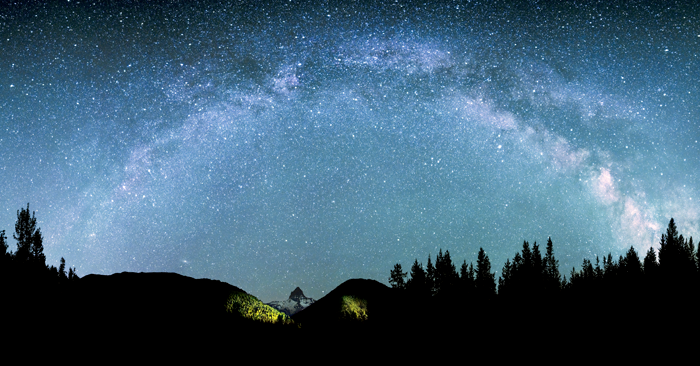
Waterton Lakes National Park in Alberta, Canada, and Glacier National Park in Montana, U.S., are collectively the first IDA International Dark Sky Parks spanning both sides of an international border. At a total of 4,606 km2 (1,138,167 acres), the parks share the distinction of being the world’s first International Peace Park (1932), two UNESCO Biosphere Reserves, and a single UNESCO World Heritage Site. According to UNESCO, the parks offer “outstanding scenery,” and are “exceptionally rich in plant and mammal species as well as prairie, forest, and alpine and glacial features.” The parks occupy a unique position in the Western Cordillera of North America, resulting in the evolution of species and ecologies that exist nowhere else in the world.
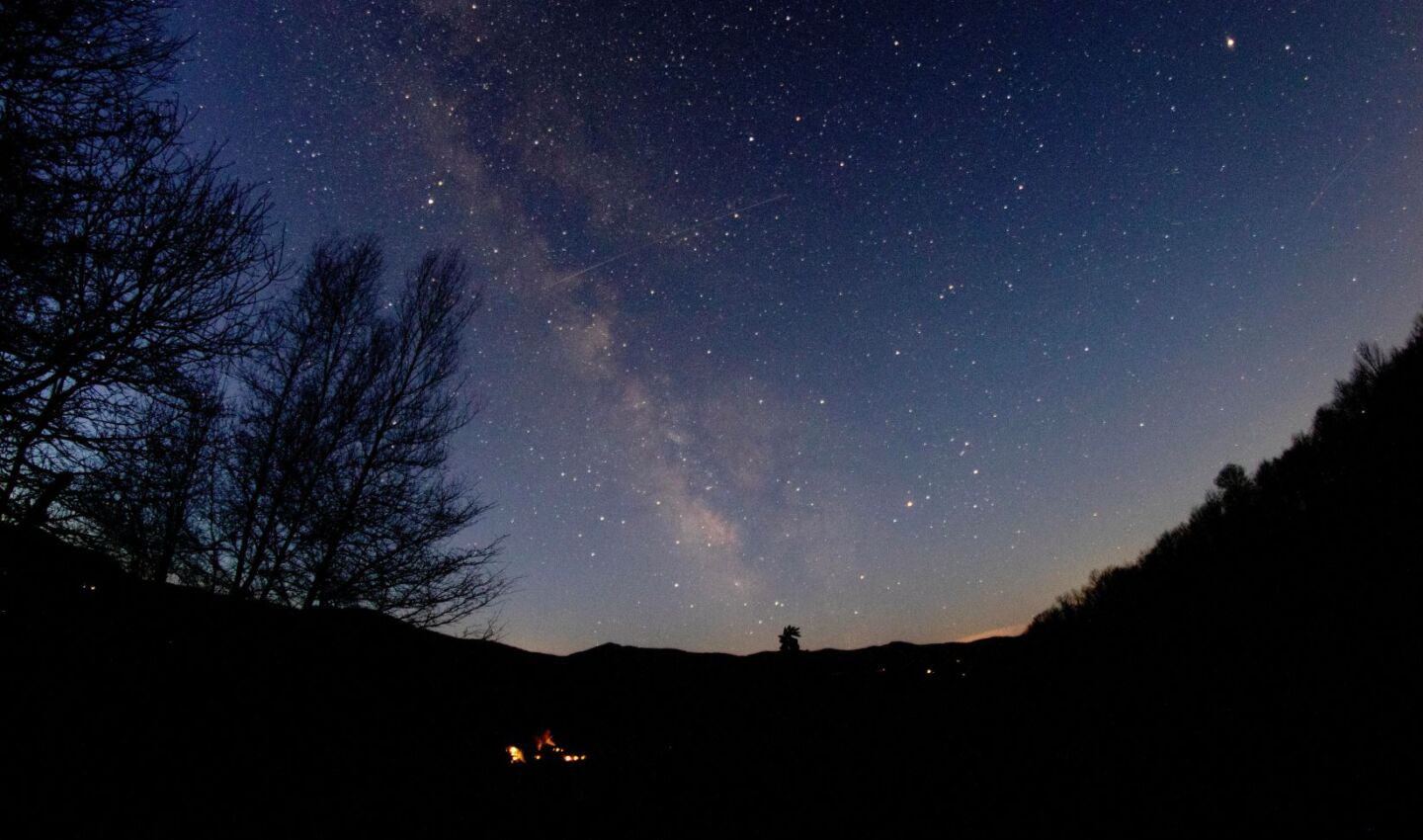
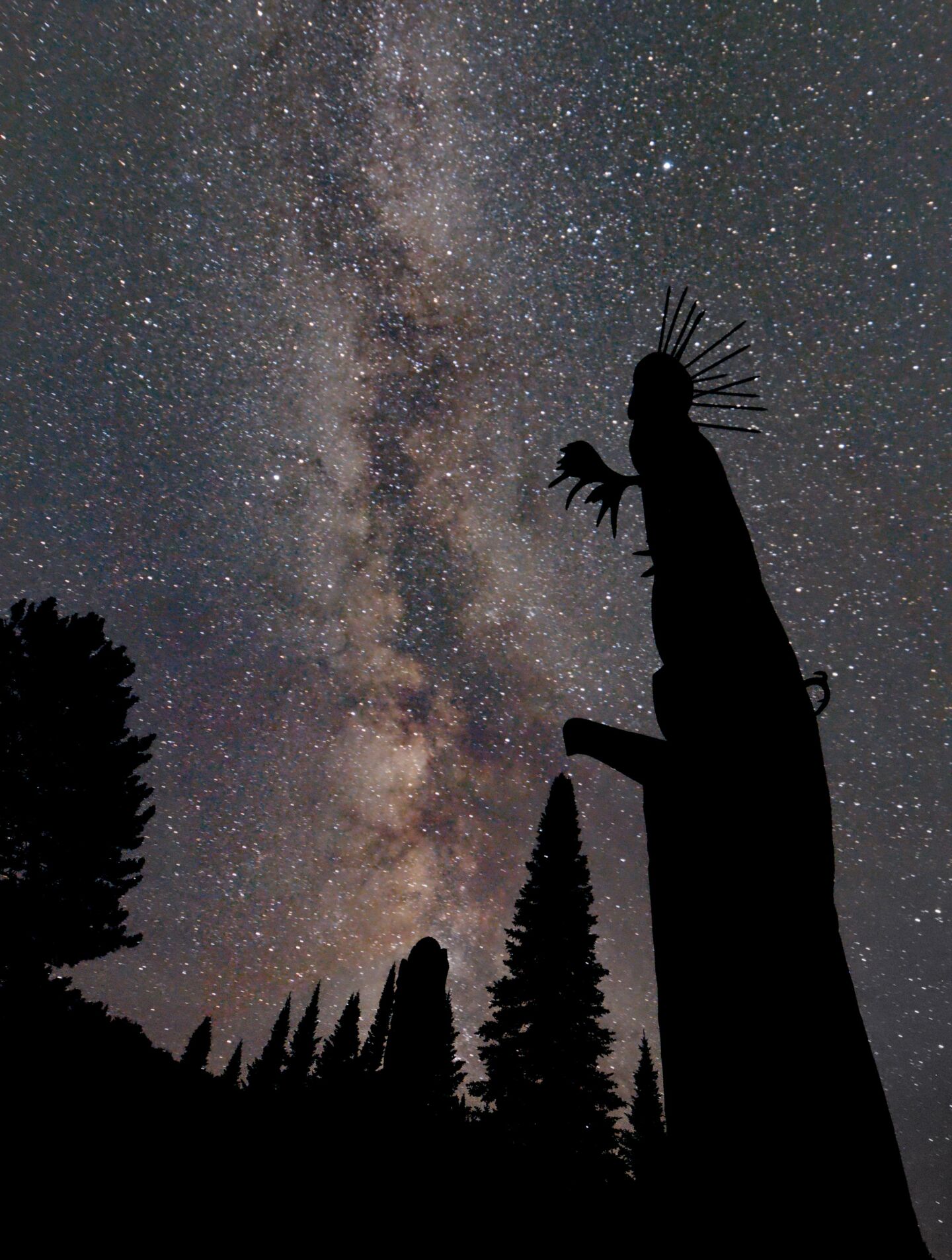
Waterton and Glacier are also home to very dark night skies, given their relative isolation and the rugged mountain terrain characterizing most of their territory. In recent years, the management of both parks have come to recognize dark skies as a conservation priority, and have allocated resources to their interpretation and study.
2017
Dark Sky Park
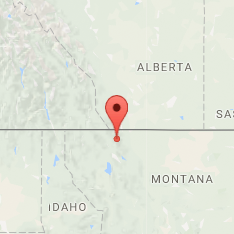
Montana, U.S., and Alberta, Canada
Google Maps
Waterton: Ashley Wruth
Website
4,606 km2