









Welcome to Advocates in Action! In this series, we interview DarkSky Advocates around the world and explore their experiences, perspectives, and passions that inspire their advocacy.
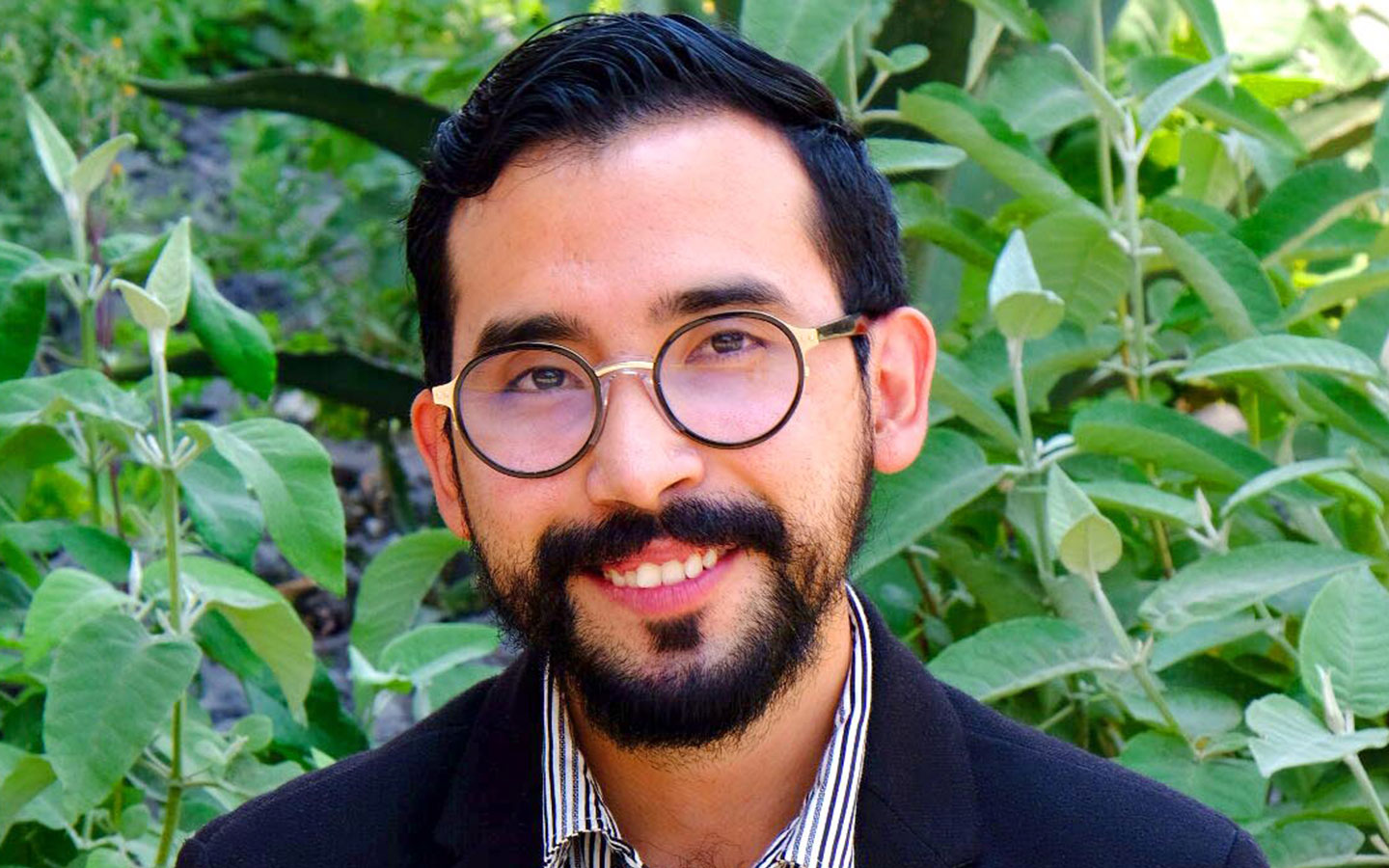
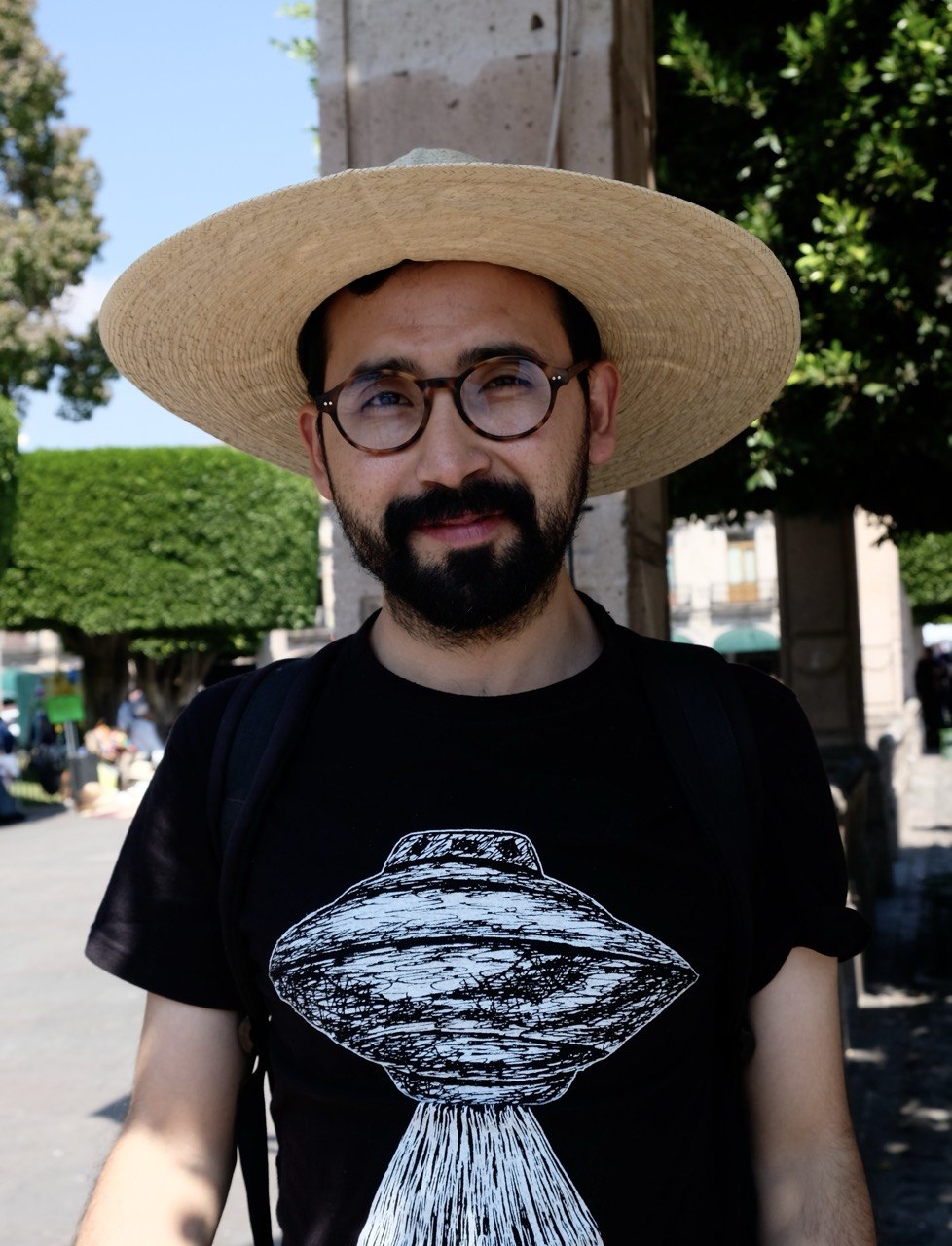
For our first feature, we meet Joshua Iván Muñoz Salazar of DarkSky México, whose work explores the historical and cultural relationships between cities, artificial lighting, and darkness. From ancient traditions to contemporary street celebrations, Joshua reminds us that protecting the night is also about preserving the stories, connections, and shared experiences that make darkness meaningful to our communities.
This year’s Under One Sky theme reminds us of the importance of finding a balance between light and darkness. In my research, I am fascinated to discover how cities are dynamic entities that, through the diverse perceptions of their inhabitants, are constantly rethinking their relationship with light and dark. In my presentation this year, I will speak about a historical rebellion in Mexico City that I find particularly relevant because, even though it took place more than 300 years ago, it helps us understand our leaders’ current obsession with over-illumination. But even more importantly, this story will be valuable for dark sky advocates because it will make us reflect on how we, as citizens, continue to find an almost sacred value in the darkness.
Speaking of contrasts, I like to view my personal relationship with the dark sky through the shared ground of ancient and modern Stoics. Two thousand years ago, the Stoics began to wonder what would happen if the stars no longer shone in the night sky and were accessible in only a single place on Earth; Seneca himself is said to have noted that we would all flock on a pilgrimage to those islands of stars, criticizing how we humans take everyday wonders for granted. This idea came back to me when, in the first chapter of his book, Carlos Sadness reminds us how valuable perennial stars are compared to shooting ones. We are always chasing what is fleeting, yet if we look back up, the same stars we’ve watched since childhood are still there and we must protect them, because constancy is the only thing that can save us. Ultimately, we can say that those of us seeking to see the stars today are a kind of stellar pilgrims searching for islands of darkness in a sea of light, making the Stoics’ vision a reality.
“We can say that those of us seeking to see the stars today are a kind of stellar pilgrim searching for islands of darkness in a sea of light” – Joshua Iván Muñoz Salazar
The greatest challenge in the fight to protect darkness is the speed at which we are required to live. The very idea of community and legacy is being erased faster and faster. Institutions, market logic, and artificial rhythms press us until it becomes unthinkable to wait to see tomorrow the dark skies we sow today through public policy; we want everything instantly, and if it isn’t, it gets cast aside and labeled worthless. This same speed prevents us from realizing the systemic importance dark skies hold in our lives; at best, it gets reduced to a luxury item for astrotourism, losing sight of how deeply our natural cycles are tied to periods of light and darkness, and how looking up at the sky allows us to think transcendental matters far beyond the everyday grind.
One of my greatest satisfactions in ten years of dedicating myself to dark skies has been connecting with hundreds of people who find a wealth of meaning in the darkness in our lives. This has led me to understand dark skies as a common good, one that brings together diverse communities and allows them to see themselves as part of a long-term historical process, rooted not just in nostalgia for the past, but even more importantly, in imagining what a starry future could look like.
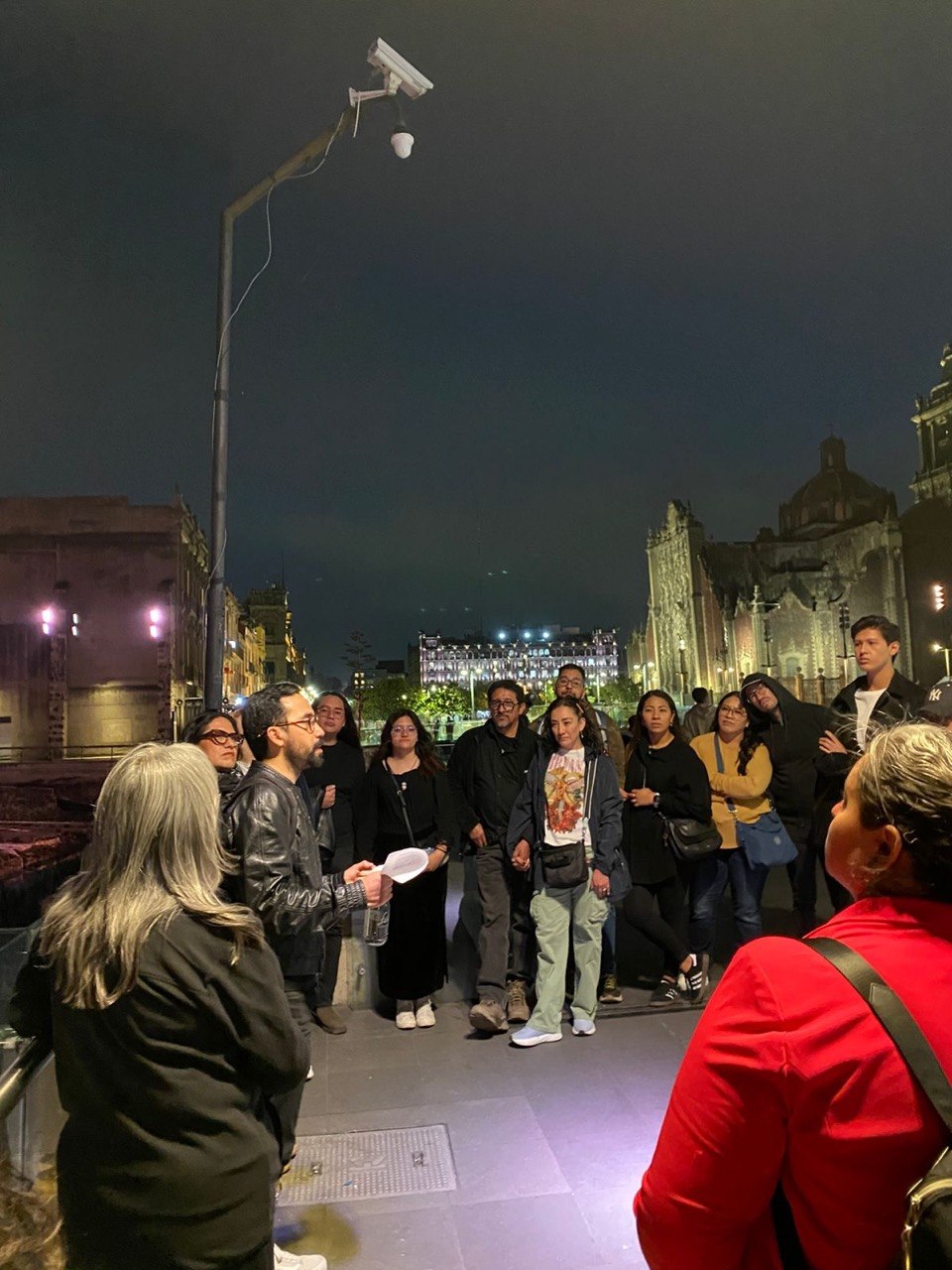
It is crucial to develop one’s own perspective, but it is even more important to know how to navigate the vast universe of knowledge, perceptions, and traditions related to the dark sky that people have continued to pass down for so long. That is why I believe hyper-specialization can sometimes be somewhat dangerous, because it closes off avenues for dialogue and the multiple ways in which one can enjoy the stars. As Sir Eric Thompson said, astronomy is too important to be left to the astronomers alone.
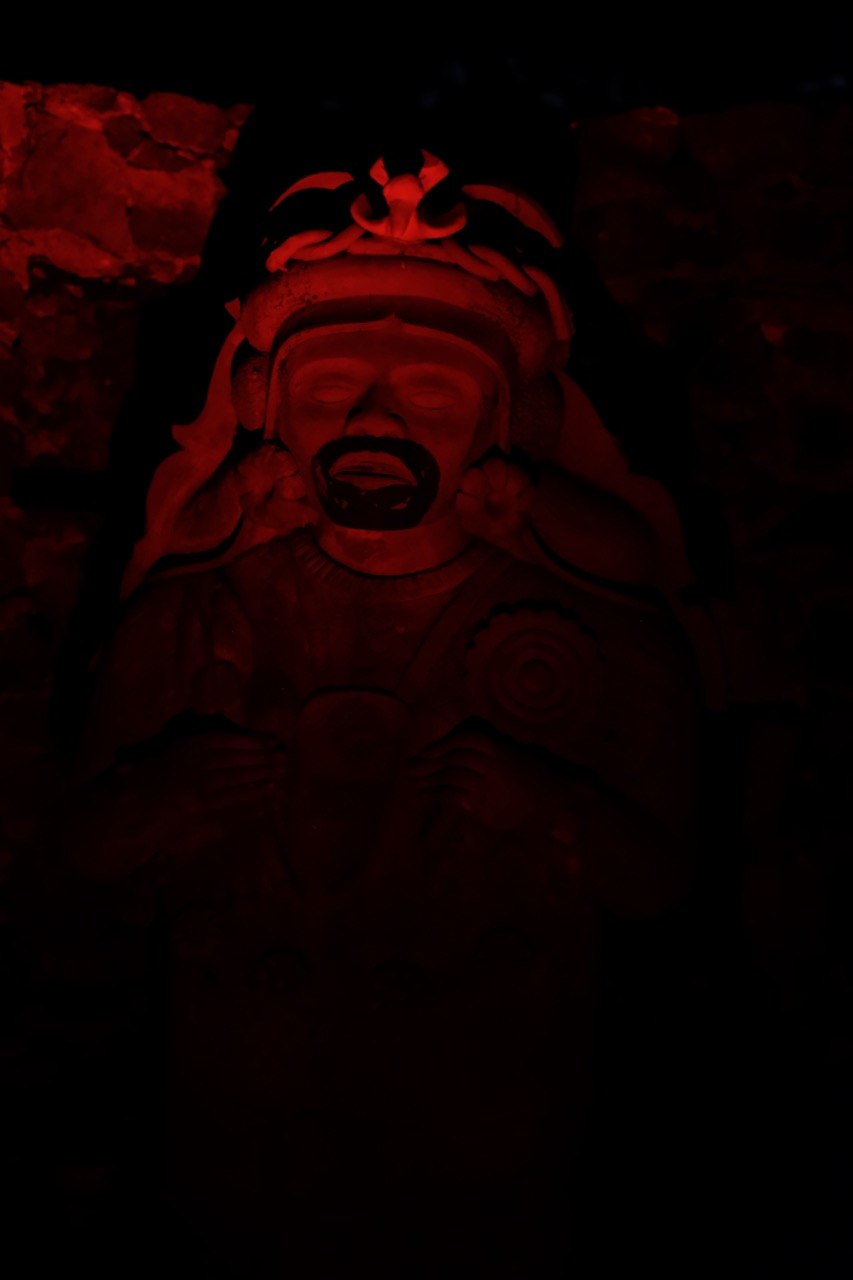
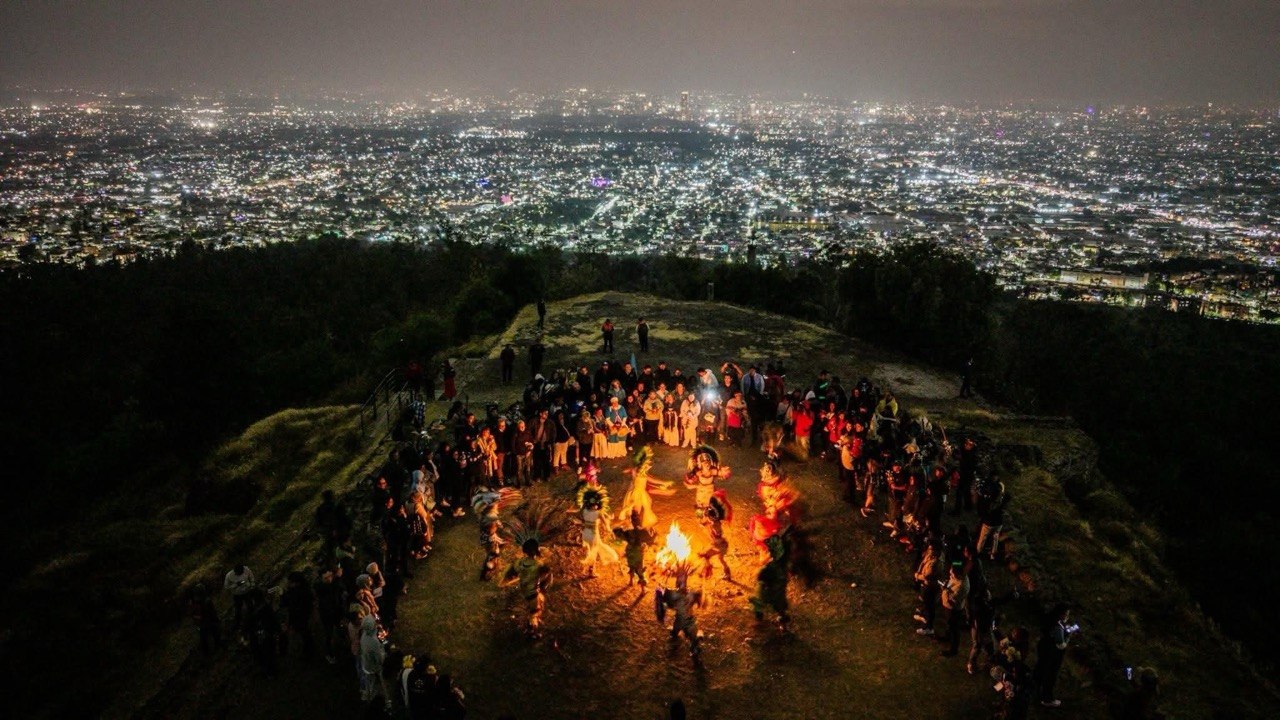
For me, there is no better resource for talking about dark skies than local stories. I always find myself wishing I could sit by the bonfires inside rock shelters back when humans first began telling stories. At night, they didn’t talk much about how the nut gathering had gone; instead, with a window open to the stars, they spoke of their longings, their fears, their ancestors, of what was to come. They recognized each other, and even more importantly, they recognized themselves. Ursula K. Le Guin noted that one of the most vital powers of stories is the ability to imagine other worlds, something essential for a dark sky enthusiast who knows that things can always be better.
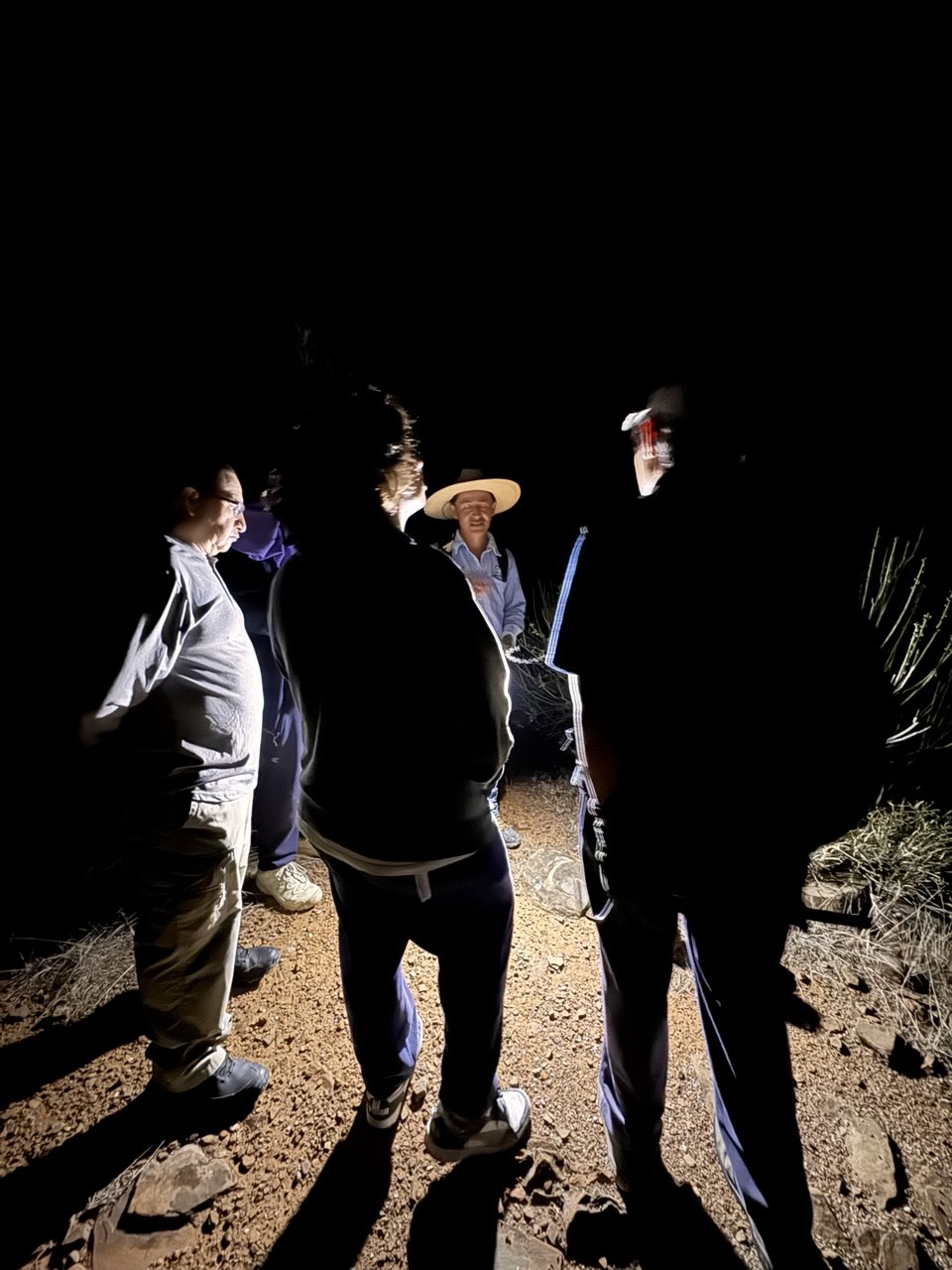
My favorite part of the night is that it creates a space-time for imagination. In Mexico, there are a multitude of practices, festivities, and ceremonies that find their very purpose in the night. I think, for example, of Mexico City’s sonideros. Darkness is an essential backdrop for the music-and-lighting system to transform the street into an atmosphere of community identity, where each night makes way for new, innovative dance moves.
Its story is grounded in research on nocturnal species, fireflies, sleep physiology, and circadian rhythms, and in collaboration across scientific and interdisciplinary fields. But its invitation is simple: darkness matters, and protecting it begins with paying attention.
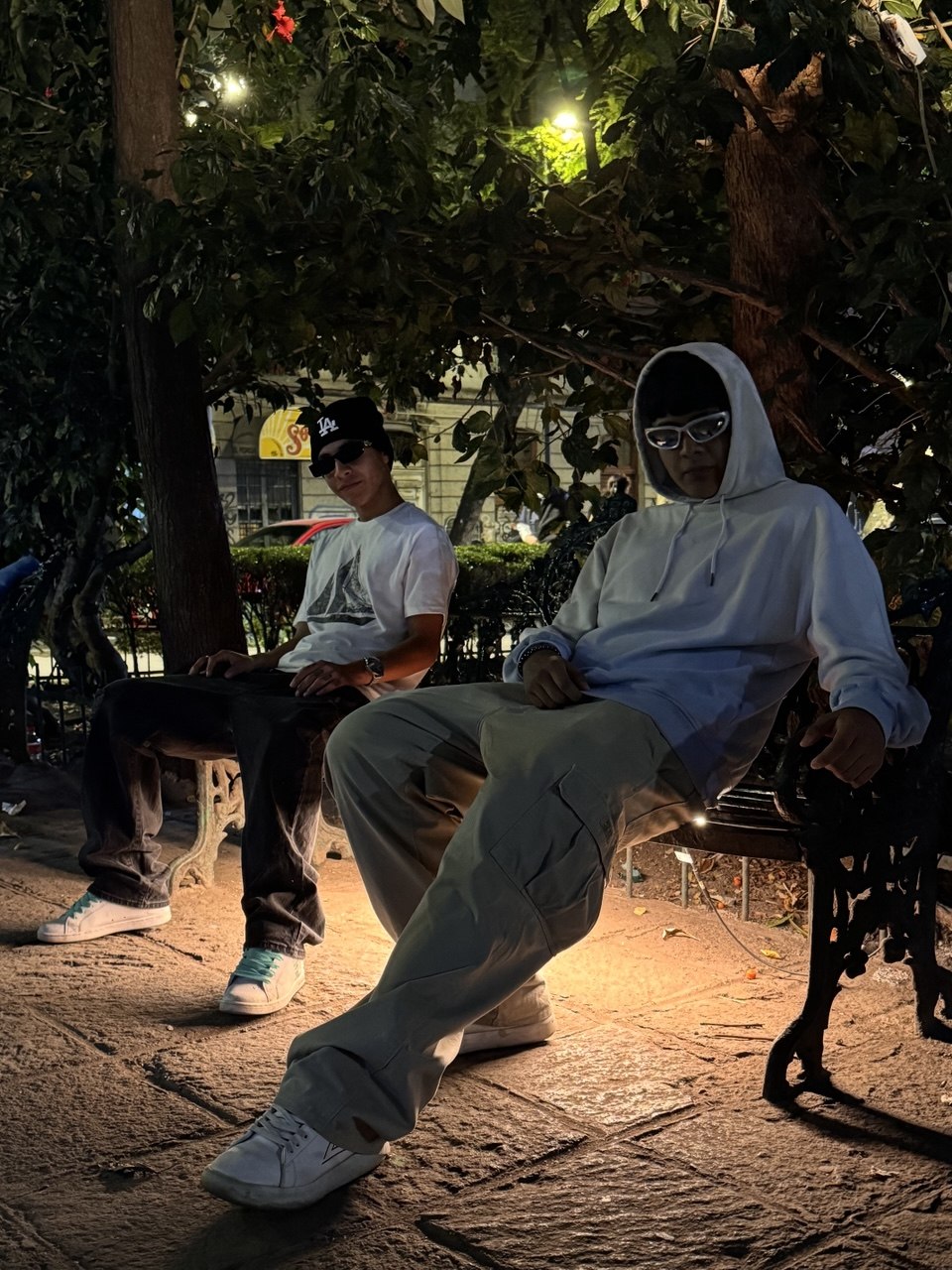
A big thanks to Joshua for chatting with us! Don’t miss his presentation at Under One Sky this November 2026! Check out conference.darksky.org to learn more and register.
Check out his recent research cited in ALAN State of Science 2026:
https://www.sciencedirect.com/science/article/pii/S305069722500017X?via%3Dihub
If you’d like to connect with Joshua and DarkSky México, you can reach out via Instagram: https://www.instagram.com/cieloscuromx
And learn more about his research at https://www.researchgate.net/profile/Joshua-Munoz-Salazar