










The new space economy promises an innovative future: clean energy, global connectivity, new technologies, and solutions to problems here on Earth. But what are the real repercussions for the environment and the night sky? And what is being promised while other glaring outcomes are ignored?
At Under One Sky 2026, DarkSky’s global conference, our Understanding the New Space Economy workshop will explore these questions and more as we bring experts together to discuss what the rapidly accelerating proliferation of satellites and technologies in low Earth orbit could mean for the future of the night.
A new term, “starwashing,” may have already hit your feed or popped up in conversation. What is it? DarkSky’s editor, Megan Eaves, originally coined the term to describe the practice of corporations, developers, or destinations using “dark sky” or “stargazing” branding as a marketing gimmick to project an eco-friendly image, while failing to implement actual, responsible dark sky lighting practices on the ground, thereby contributing to the very light pollution that erases the stars.
More recently, researcher Marissa E. Yingling applied the term starwashing to describe how space companies are tapping into the wonder of the cosmos and promoting space as a new frontier for sustainability and human progress, while minimizing the environmental consequences of their activities—consequences that may lead to the erasure of the very stars they are using in their messaging.
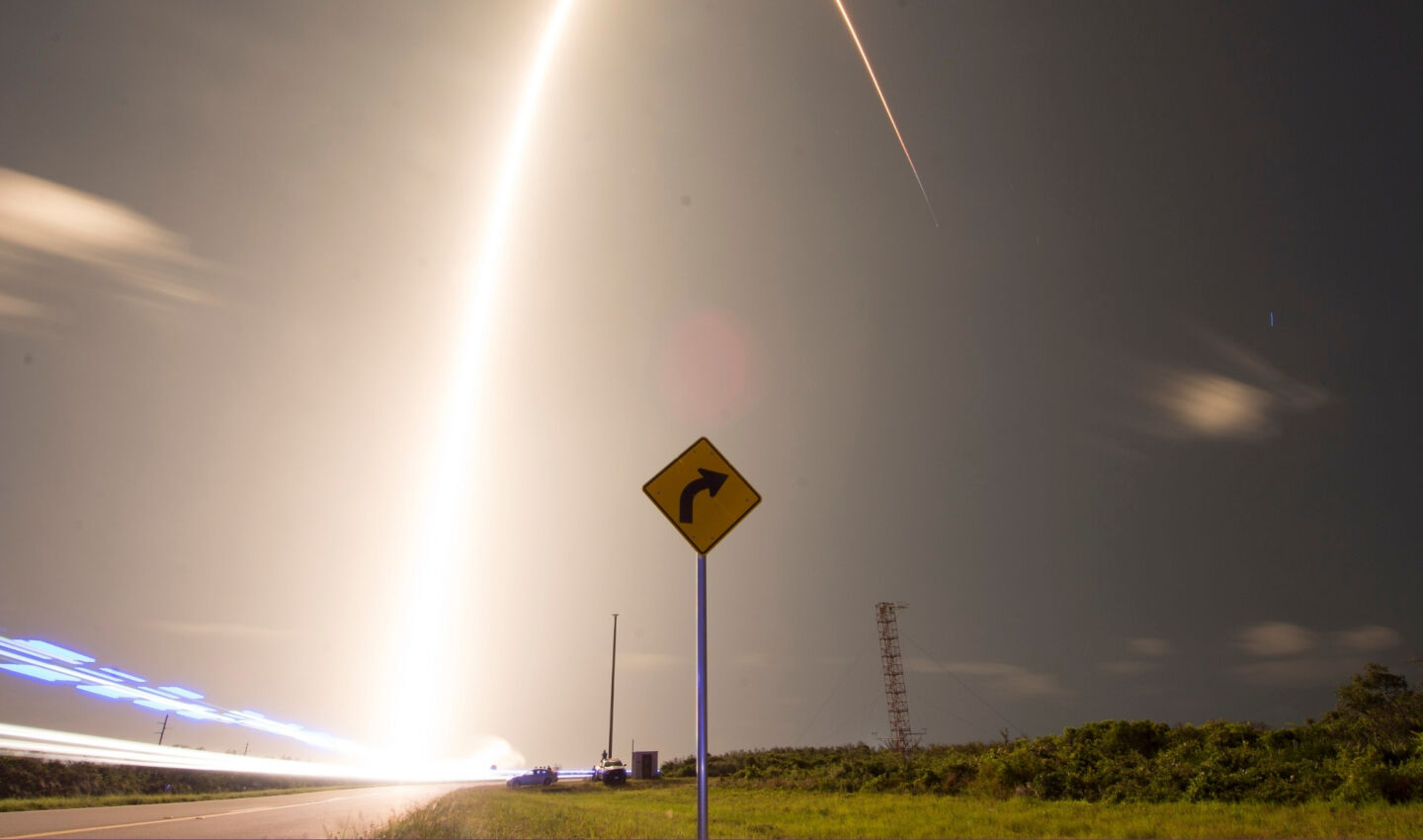
Both uses of the term are important when it comes to the protection of the natural night and the starry sky from the threat of light pollution and space pollution. As the commercial space industry rapidly expands, the consequences of its expansion are becoming increasingly concerning, from pollution released during launches and satellites burning up as they reenter our atmosphere to the loss of our view of the stars themselves. In the most literal sense, a real star wash.
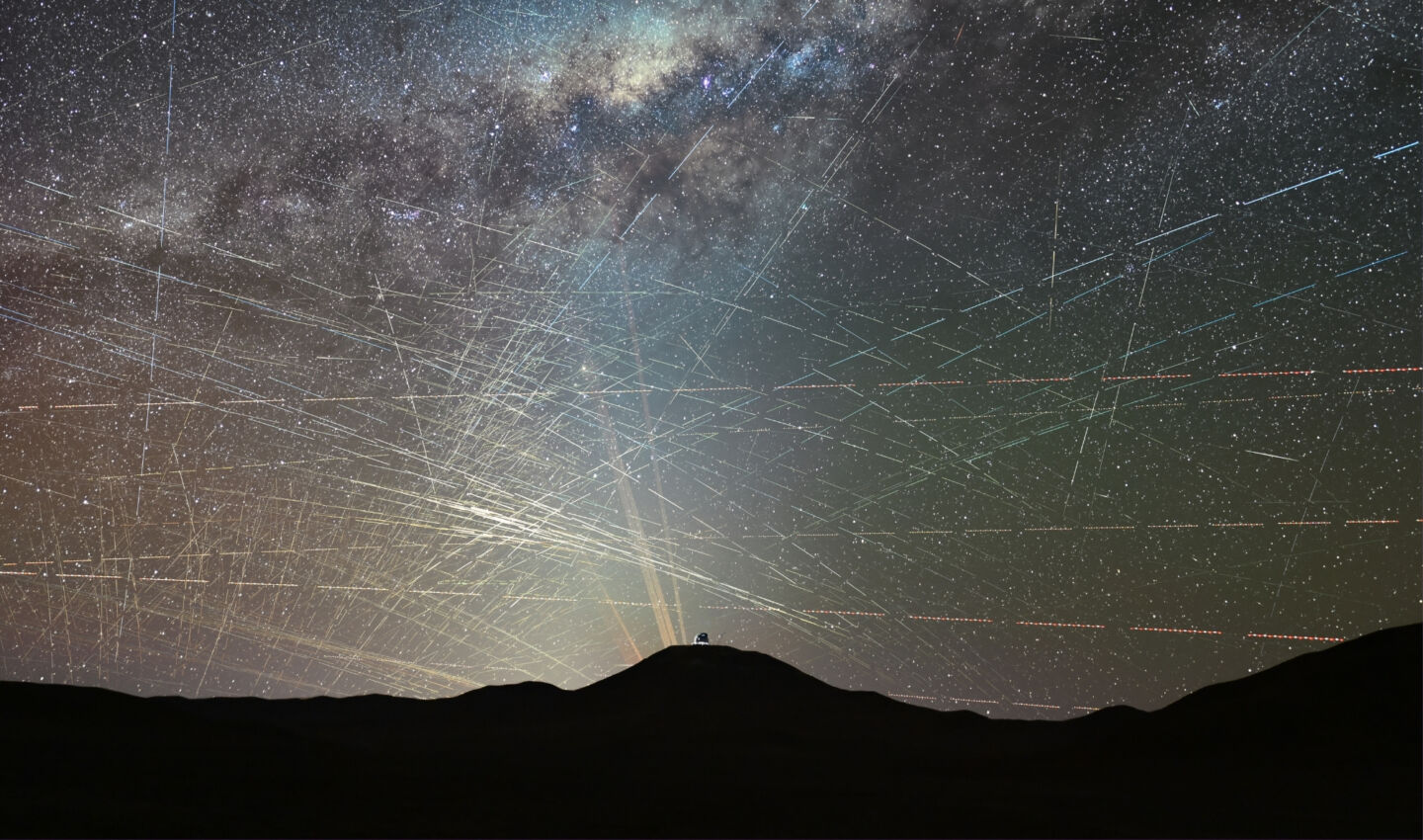
Over 10,000 satellites actively orbit Earth, with constellations numbering in the tens of thousands being proposed for the years ahead. SpaceX has even proposed expanding its constellation by up to one million satellites to support space-based AI data centers and is already seeking approval from the FCC. At that scale, the transformation of the night sky could be stark, with some projections suggesting that visible satellites could outnumber visible stars during certain hours of the night in locations where light pollution has already diminished the night sky.
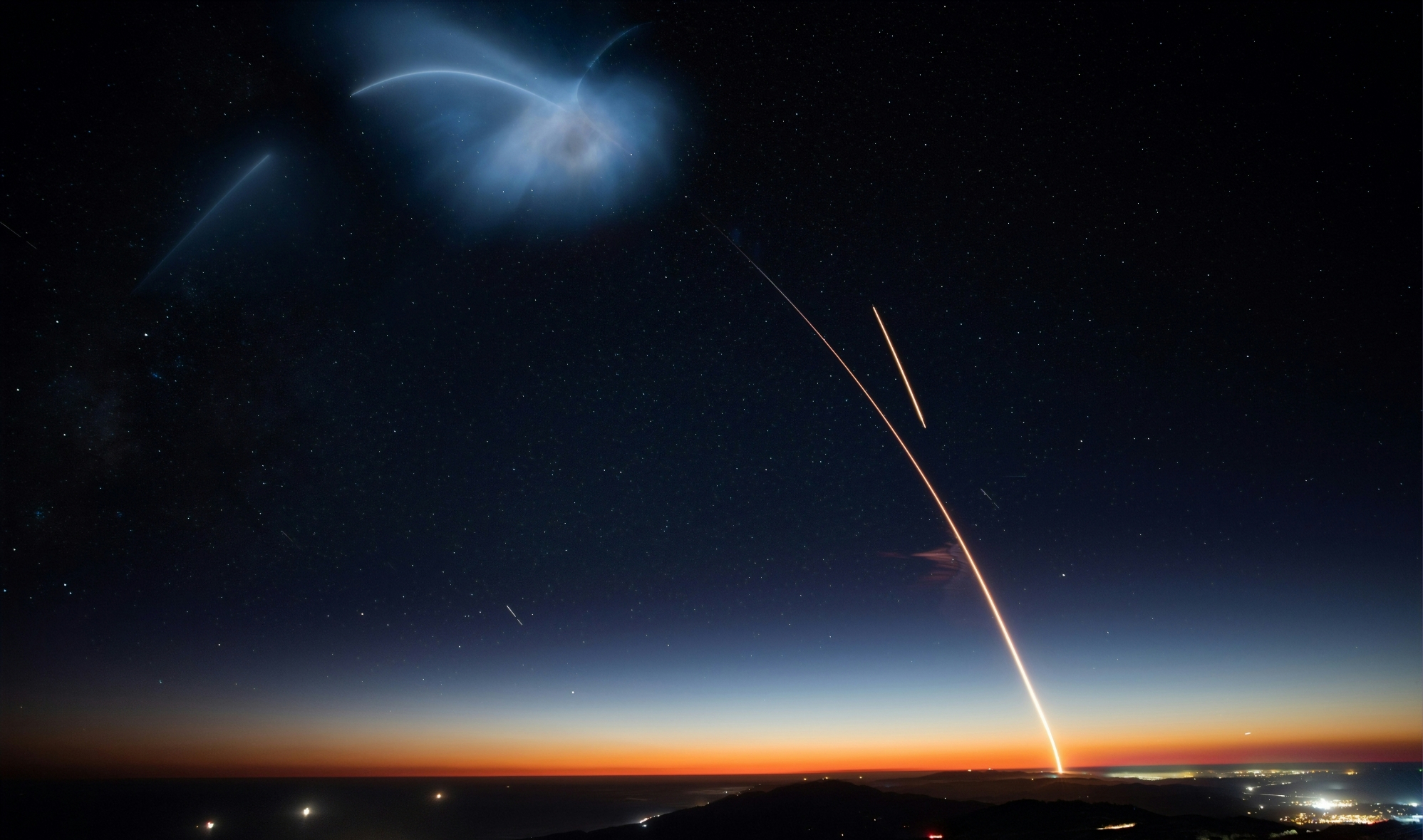
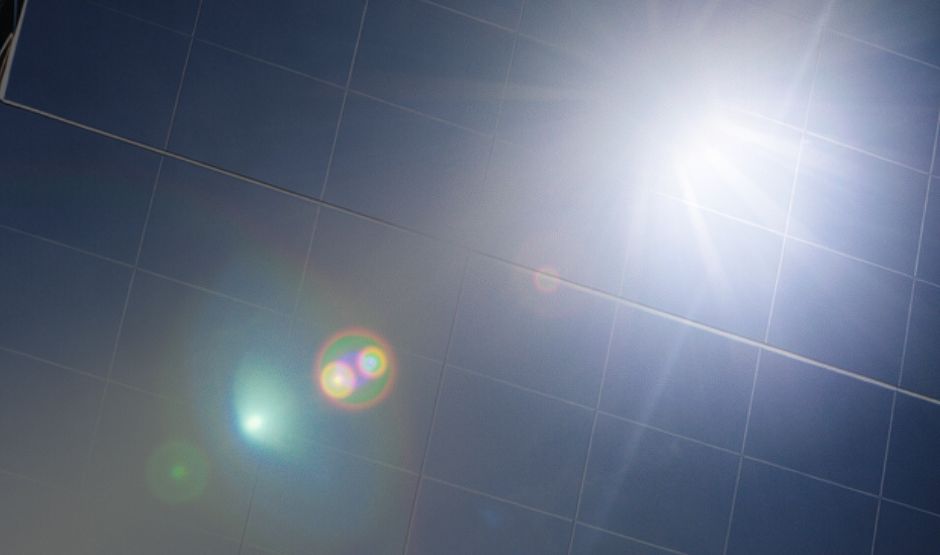
Other emerging technologies could transform the night even further. Reflect Orbital has proposed satellites designed to redirect sunlight toward Earth after dark and has received federal approval to launch and test its first prototype, Eärendil-1. The company’s vision of selling “sunlight on demand” could mean washing out the stars beneath its beam, with potentially serious consequences for the nighttime environment, astronomy, wildlife, and public safety.
Yet Eärendil-1 was approved without environmental review, a decision DarkSky is challenging alongside a coalition of environmental partners.
This illustrates the real danger of starwashing: using the promise of space to create solutions, needed or not, while failing to fully investigate the problems that could come from new proposals and technologies.
The space above us is changing faster than at any point in human history.
The cost of reaching Earth’s orbit has fallen dramatically, launches are becoming more frequent, and a growing number of companies are racing to put new technology into space.
What happens if the high projections for these megaconstellations become reality? To deploy and replace such large constellations, could dozens of launches be required each day, contributing to increased emissions as well as heavy metals entering the atmosphere as deorbiting satellites burn up? And what happens as entirely new technologies emerge, including proposals from companies like Reflect Orbital to redirect sunlight from space bblogack toward Earth after dark?
These are no longer questions for science fiction. They are decisions being made today that could shape the night for generations.
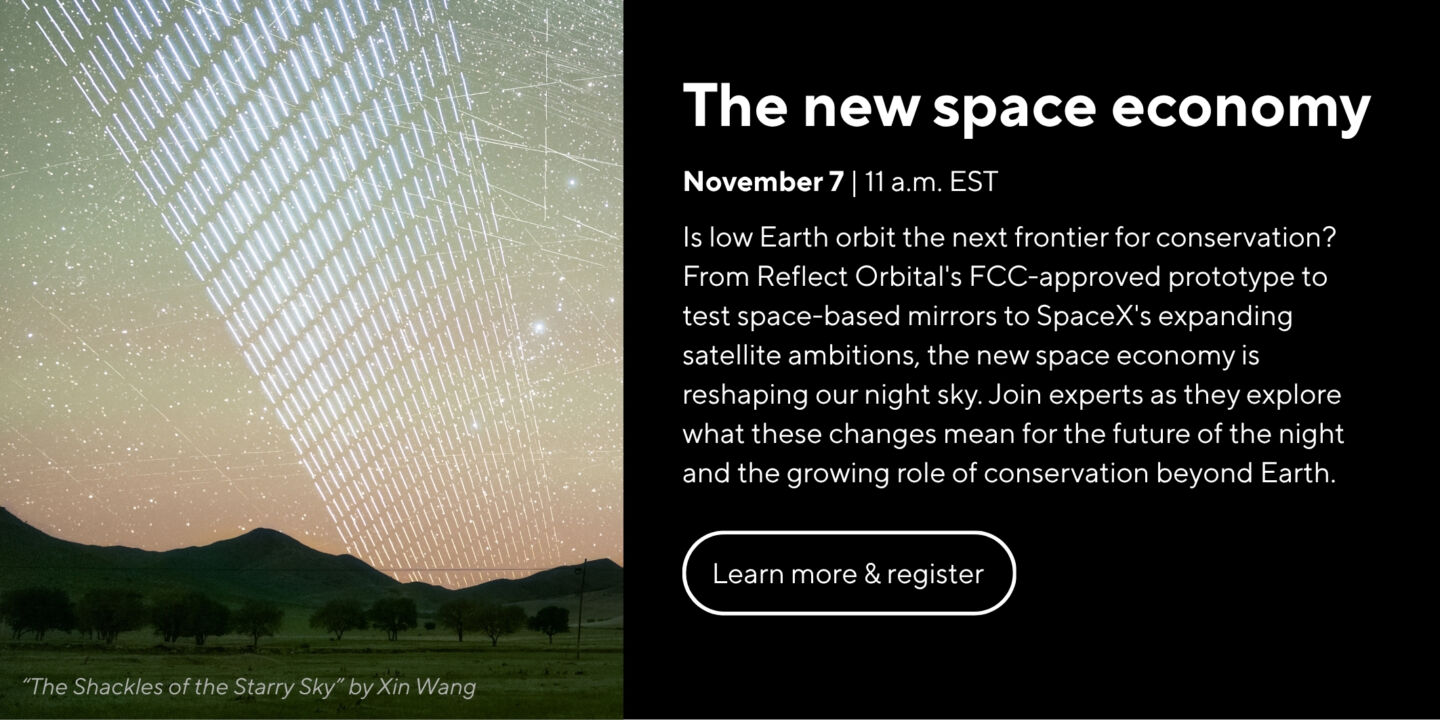
At Under One Sky, our final workshop, scheduled for November 7 at 11 a.m. EST, will tackle these questions head-on. Under One Sky 2026: Night in Balance is DarkSky International’s 24-hour virtual global conference, taking place November 6–7.
Understanding the new space economy will bring together experts from conservation, astronomy, and the space industry to examine how rapidly expanding satellite constellations, space-based mirrors, and other emerging technologies could reshape the night sky, as well as what solutions exist to create a future filled with innovation and environmental stewardship.
DarkSky is not opposed to innovation. We want to work toward a future where even the largest companies in the new space economy are prioritizing real solutions, from reducing satellite reflectivity and visibility to considering environmental impacts earlier in the design process. By bringing industry professionals into this conversation, the workshop will explore how innovation and protection of the night sky can move forward together.
We have a chance to address these impacts before they become the next global light-pollution problem. That means bringing conservationists, researchers, policymakers, and industry together to find solutions while there is still time to shape what comes next.
The next space race can reach for the stars without erasing them.
Register today for Under One Sky 2026 and take part in the conversation.
During the last new moon, I spent an hour standing in the quiet desert of Saguaro National Park. I …