









For 60 years, Star Trek has taken us to strange new worlds filled with extraordinary landscapes and unfamiliar life.
We’ve encountered the endlessly multiplying Tribbles of The Original Series, witnessed spectacular phenomena across the galaxy in The Next Generation, and continued the mission to seek out new life and new civilizations in Star Trek: Discovery and beyond.
But it turns out you don’t need warp drive to discover strange new worlds. Sometimes, you just have to wait for the Sun to go down.
As the Sun sets, a whole world comes to life—one that many of us are far less familiar with. From tiny creatures that glow to great dances of light across the sky, some of our planet’s strangest and most spectacular wonders are found in the dark.
DarkSky International works to protect this world from light pollution. From conserving remaining dark places to bringing quality lighting into our cities and communities, we can help ensure these wonders remain for future generations to enjoy.
So, set a course for adventure. Here are 10 natural nighttime spectaculars that make our own world wonderfully strange.
DarkSky International is proud to join Star Trek 60 as an official nonprofit partner of “Space for Everybody,” celebrating a shared spirit of hope, discovery, and exploration.
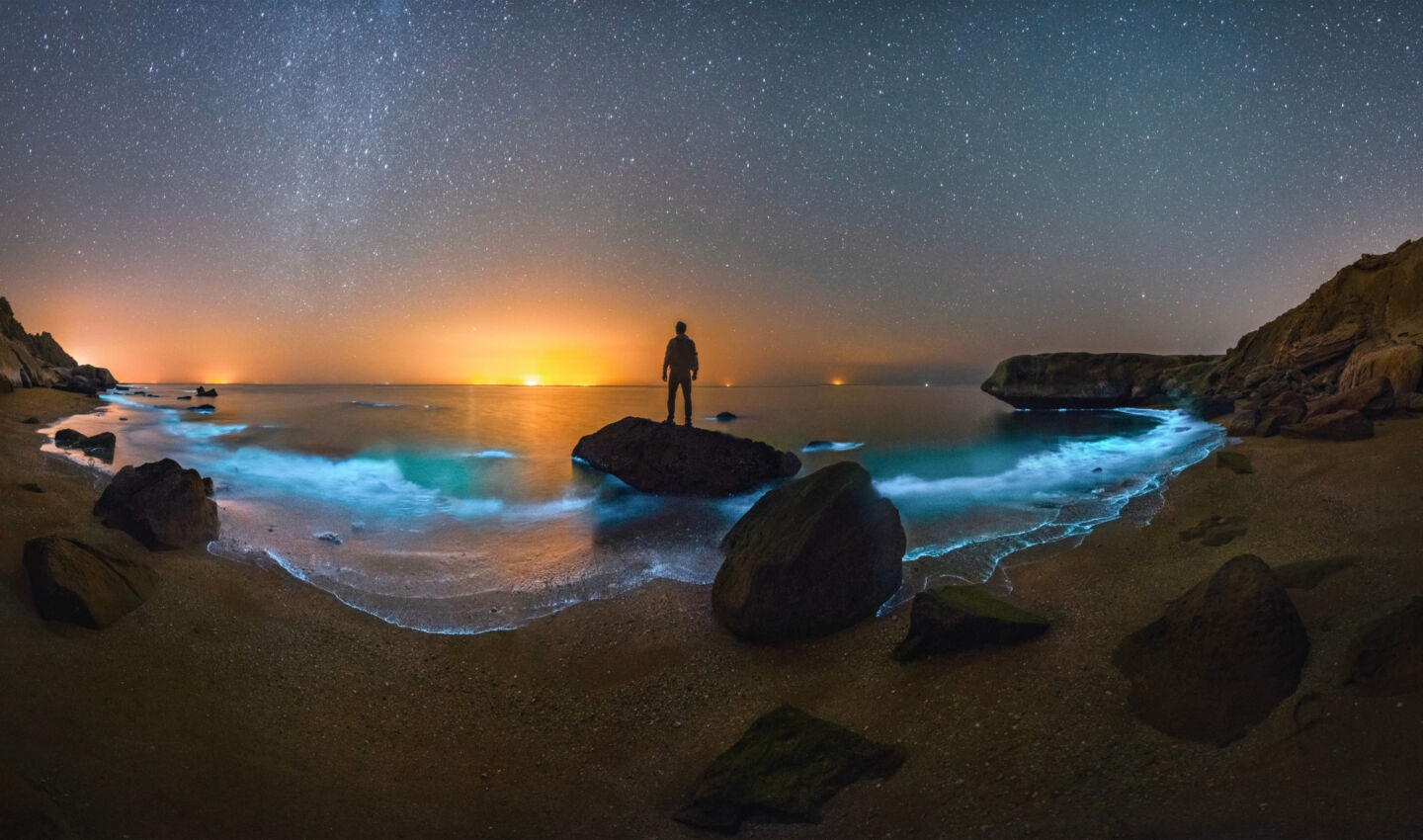
Along coastlines around the world, darkness can reveal something extraordinary: ocean waves aglow with sparkling blue light.
This is bioluminescence—light produced by living organisms through chemical reactions. Microscopic plankton called dinoflagellates respond to movement in the water by producing brief flashes of blue-green light. When conditions produce dense blooms, millions of these tiny organisms can transform breaking waves into glowing surf.
How to experience them: Bioluminescent dinoflagellates occur in oceans worldwide, with spectacular displays appearing in places from California and Puerto Rico to Australia and New Zealand. Find a dark beach on a moonless or low-moon night. Blooms are unpredictable, so check local reports and keep artificial light to a minimum.
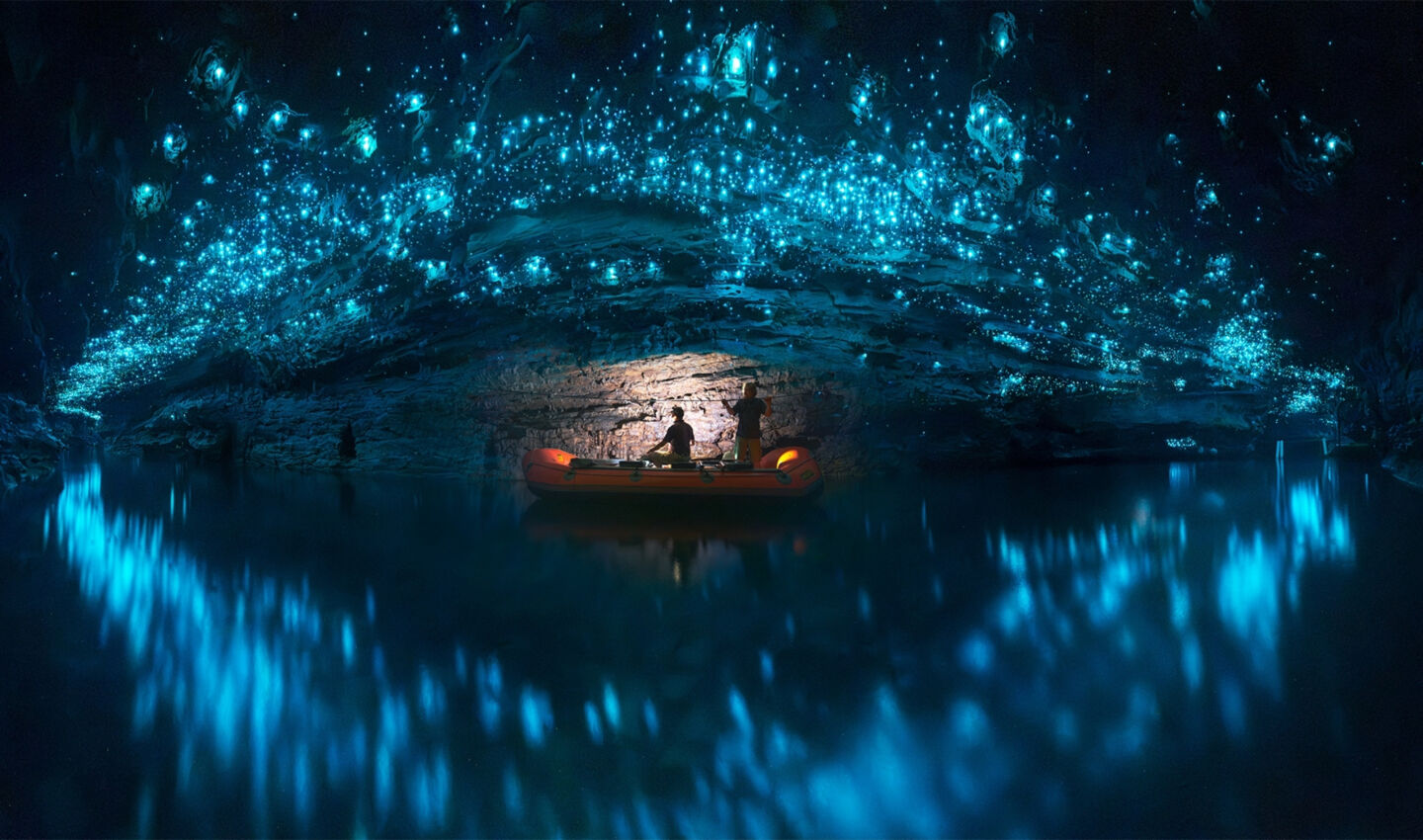
Look up inside some of New Zealand’s darkest caves and forest gullies and you may find what appears to be a miniature galaxy glowing overhead.
They’re glowworms—the bioluminescent larvae of fungus gnats that produce blue-green light to lure tiny insects toward sticky silk threads. In the right habitat, thousands can illuminate cave ceilings and damp forest overhangs like fields of tiny stars.
Different species of bioluminescent fungus gnats occur around the world, but New Zealand and Australia are particularly famous for their spectacular colonies.
How to experience them: Join a guided cave or forest experience after dark. Keep lights low, give your eyes time to adjust, and never touch the larvae or their delicate threads.
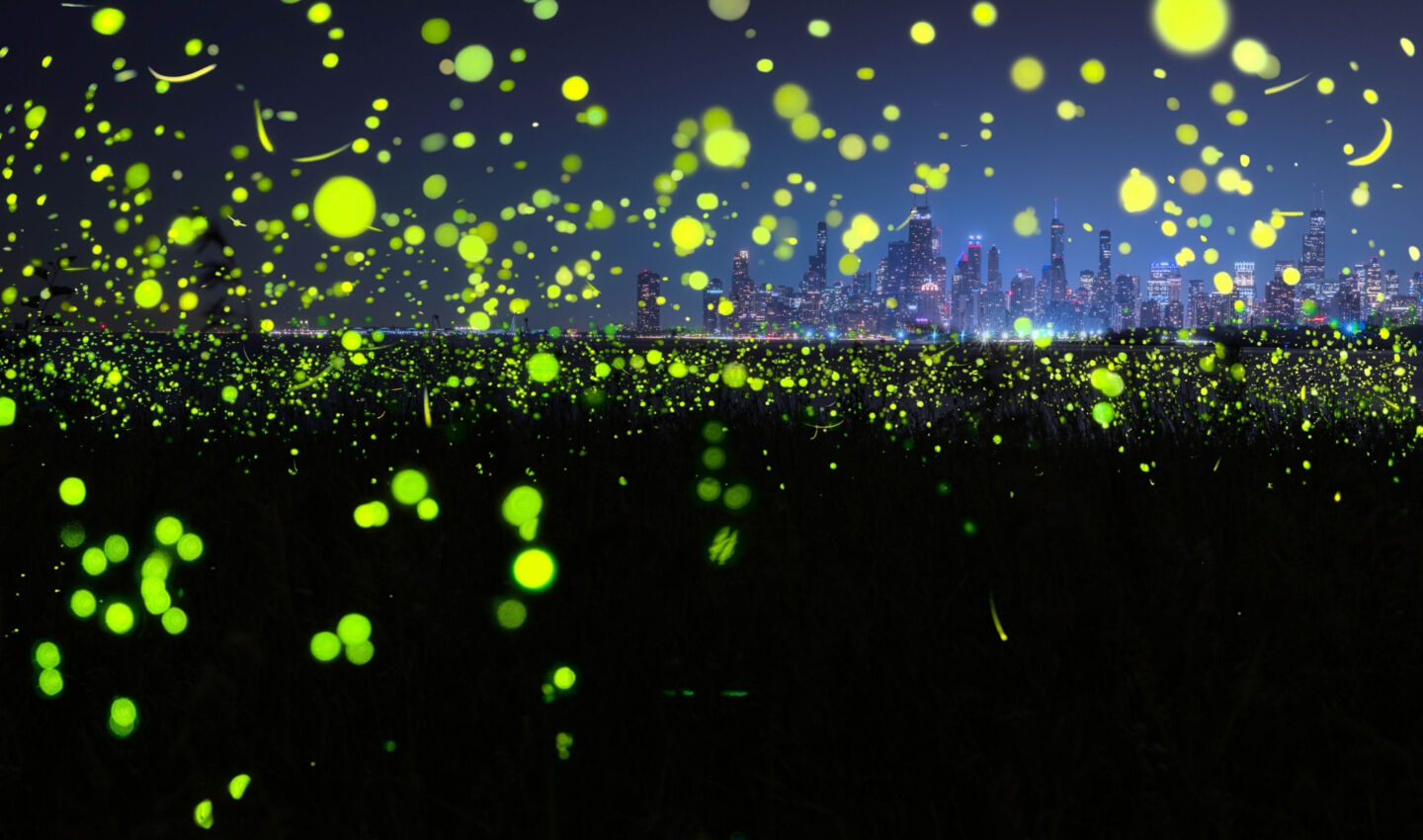
One firefly blinking in the darkness is remarkable. Thousands flashing together can look like another planet entirely.
Fireflies are found across much of the world, particularly in warm, humid regions of Asia and the Americas. They produce light through bioluminescence, using flashes to communicate and, in many species, find mates. Some species take this further, synchronizing their flashes across entire groups in spectacular nighttime displays.
Artificial light can interfere with these signals—which means darkness isn’t simply the backdrop to the show. It’s part of what makes it possible.
How to experience them: Look in forests, wetlands, and meadows during firefly season. Keep lights low and avoid disturbing their habitat. Watoga State Park in West Virginia and Yeongyang Firefly Eco Park in South Korea are two International Dark Sky Parks where fireflies can be found.
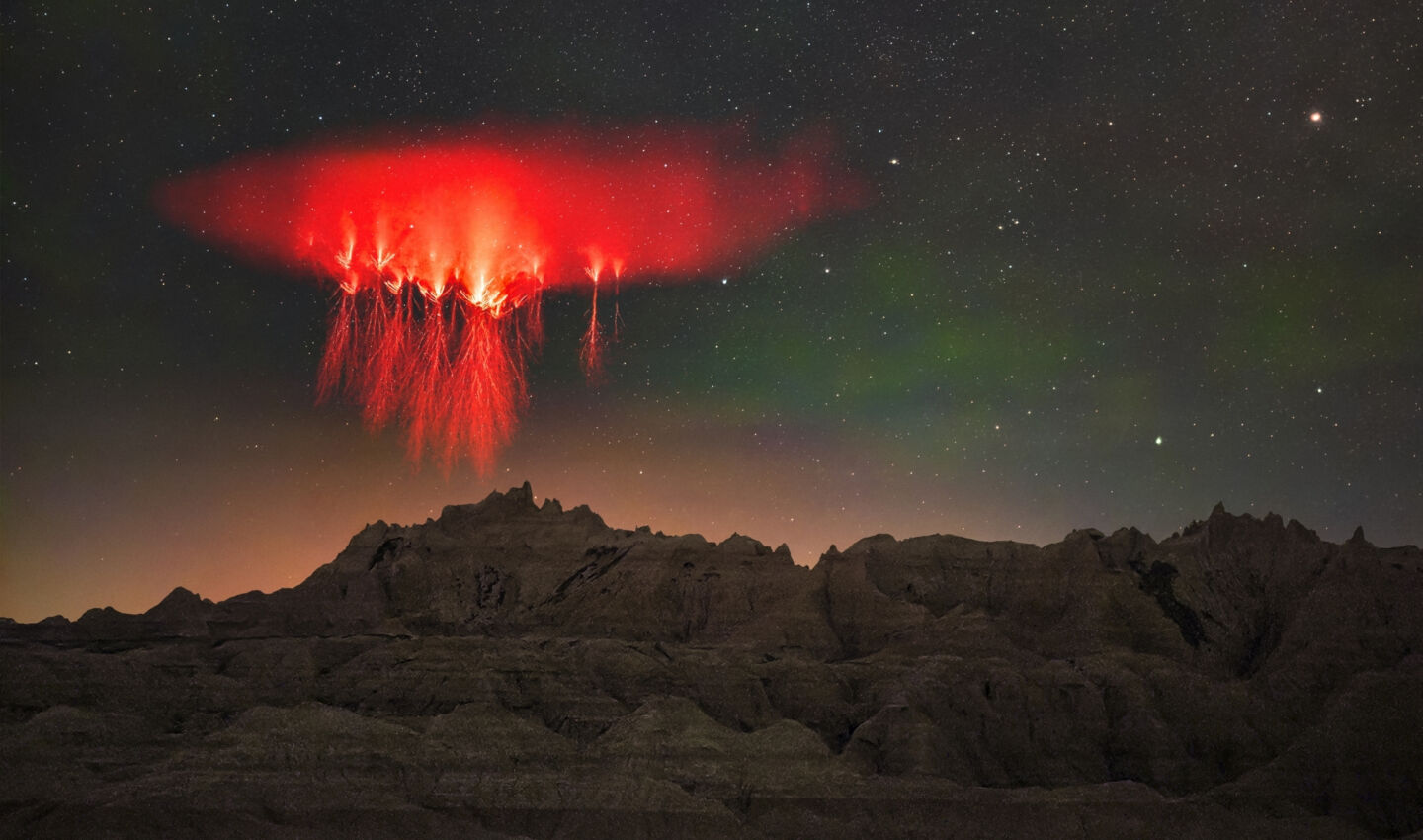
Lightning doesn’t always travel toward the ground. Sometimes, it appears to reach toward space.
High above powerful thunderstorms, enormous flashes known as red sprites can erupt in the upper atmosphere. These strange electrical events may appear as red tendrils, columns, or enormous jellyfish-like structures suspended above distant storms.
Sprites occur so high above thunderstorms that they can sometimes be seen from hundreds of kilometers away. They are extremely brief—often lasting only milliseconds—which helped them remain elusive to scientists until relatively recently.
How to experience them: From a safe, dark location, watch the clear sky above a distant thunderstorm. Sprites can be seen with the naked eye, but they vanish in an instant. Photography offers the best chance to capture these fleeting phenomena.
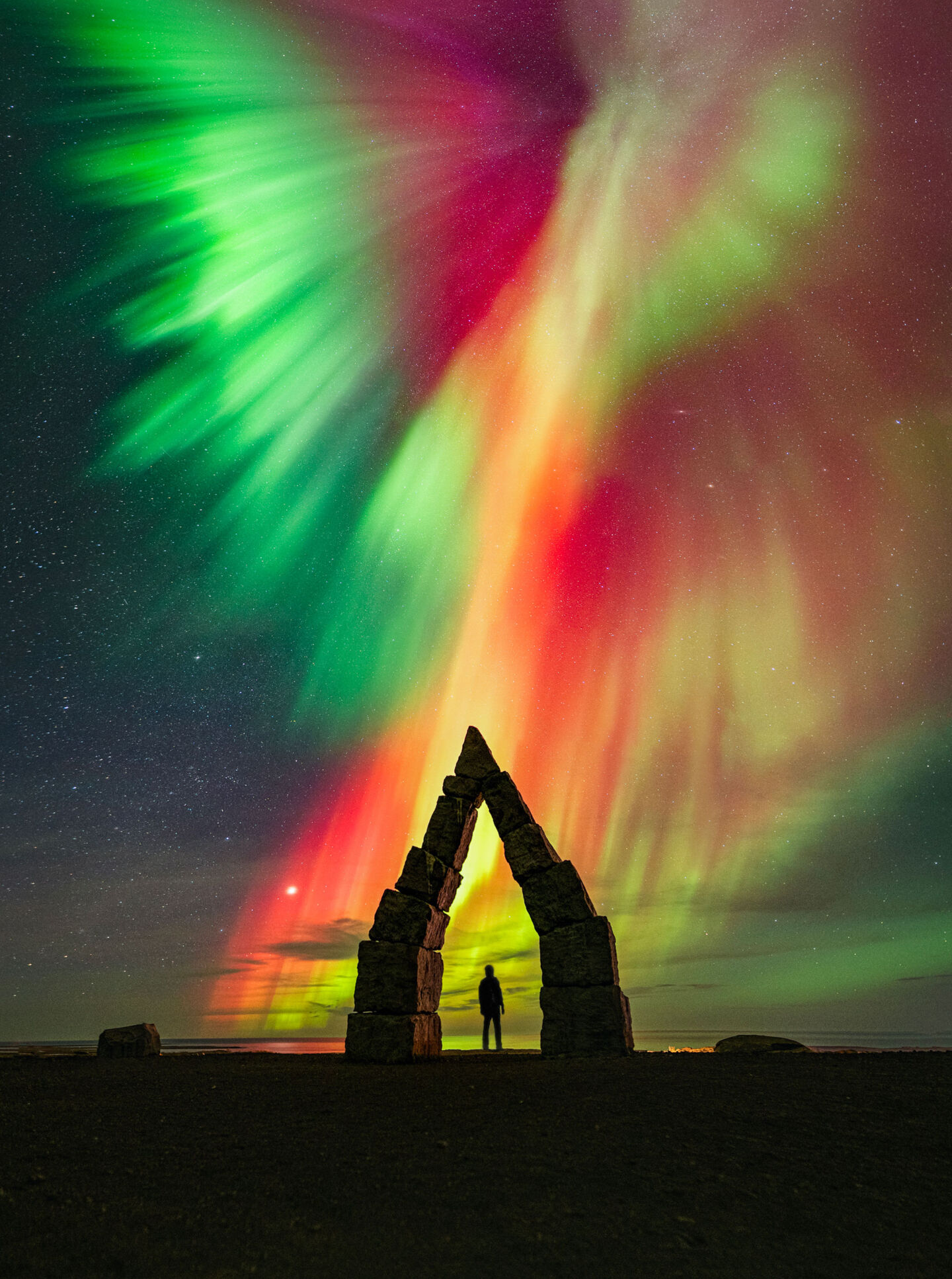
Green ribbons appear along the horizon. Then they move.
They stretch upward, twist, ripple, and sometimes cover enormous portions of the sky. The aurora borealis, or Northern Lights, occurs when charged particles from the Sun interact with Earth’s magnetic field and upper atmosphere, producing shimmering displays that can range from subtle arcs to enormous curtains of color.
Auroras are most common at high northern latitudes, but periods of intense solar activity can send them much farther south.
How to experience them: Head north, find a dark location with an open view, and check aurora and cloud forecasts. Darker skies make faint displays much easier to see.
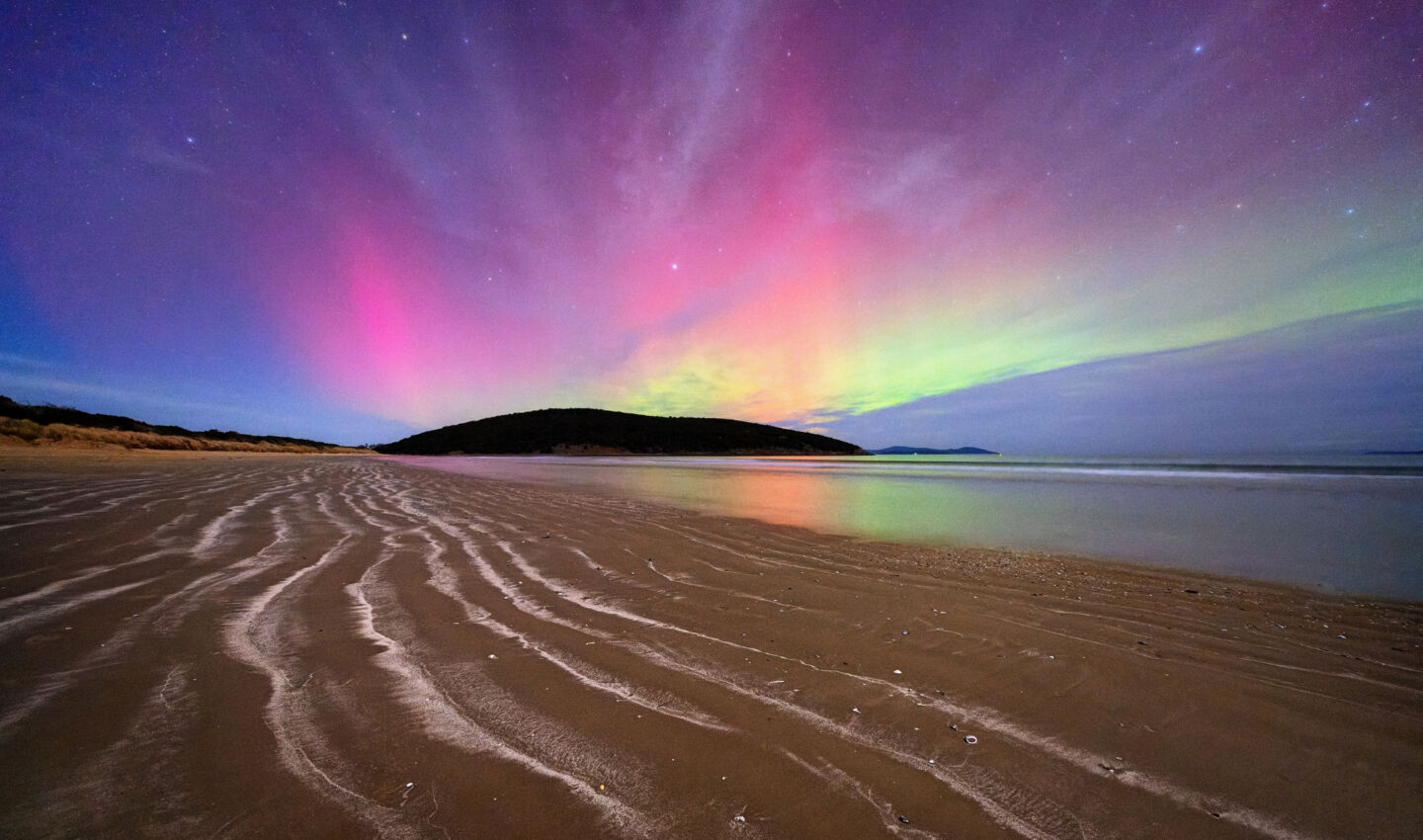
Wait—the Northern Lights have a southern sibling?
Meet the aurora australis, or Southern Lights. The same interactions between solar particles, Earth’s magnetic field, and our atmosphere that create auroras in the north can produce shimmering curtains of color around the southern polar region.
From Antarctica to the southern reaches of Australia and Aotearoa New Zealand, strong solar activity can transform the southern horizon into a spectacular display of color and movement.
How to experience them: Head south and find a dark location with a clear southern horizon. Aoraki Mackenzie International Dark Sky Reserve in Aotearoa New Zealand is one spectacular place to try.
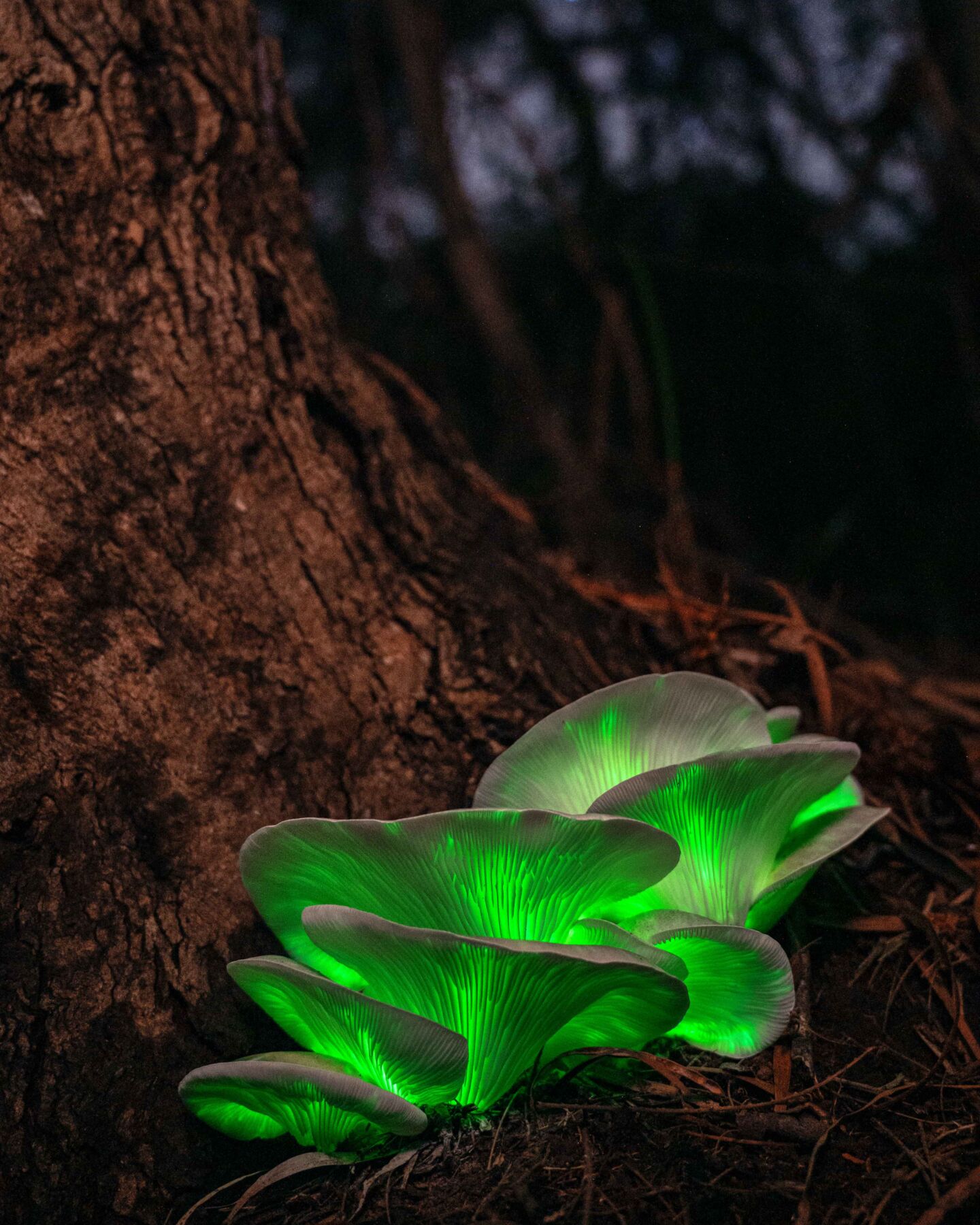
Sometimes the forest floor has its own night lights.
Dozens of species of fungi around the world are known to produce light through bioluminescence. Depending on the species, the mushroom itself, its underground network of mycelium, or both may emit an eerie green glow. This phenomenon is sometimes called foxfire, particularly when glowing fungi illuminate decaying wood.
The light is produced through a chemical reaction, but scientists are still investigating why bioluminescence evolved in different fungi and what ecological roles it may play.
How to experience them: Explore humid forests after dark, especially during warm, wet periods. Let your eyes adjust and look closely around decaying wood—some species glow only faintly.
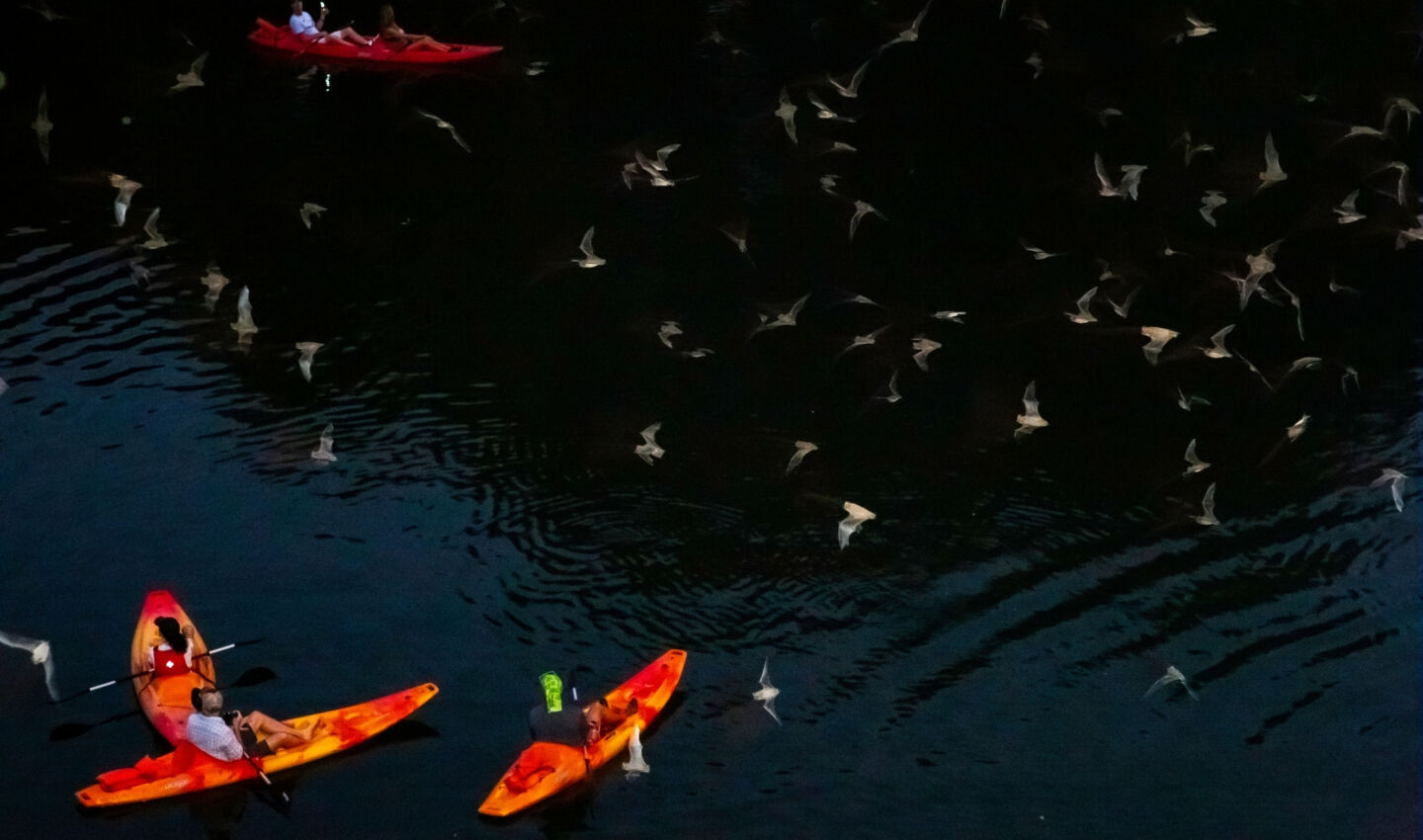
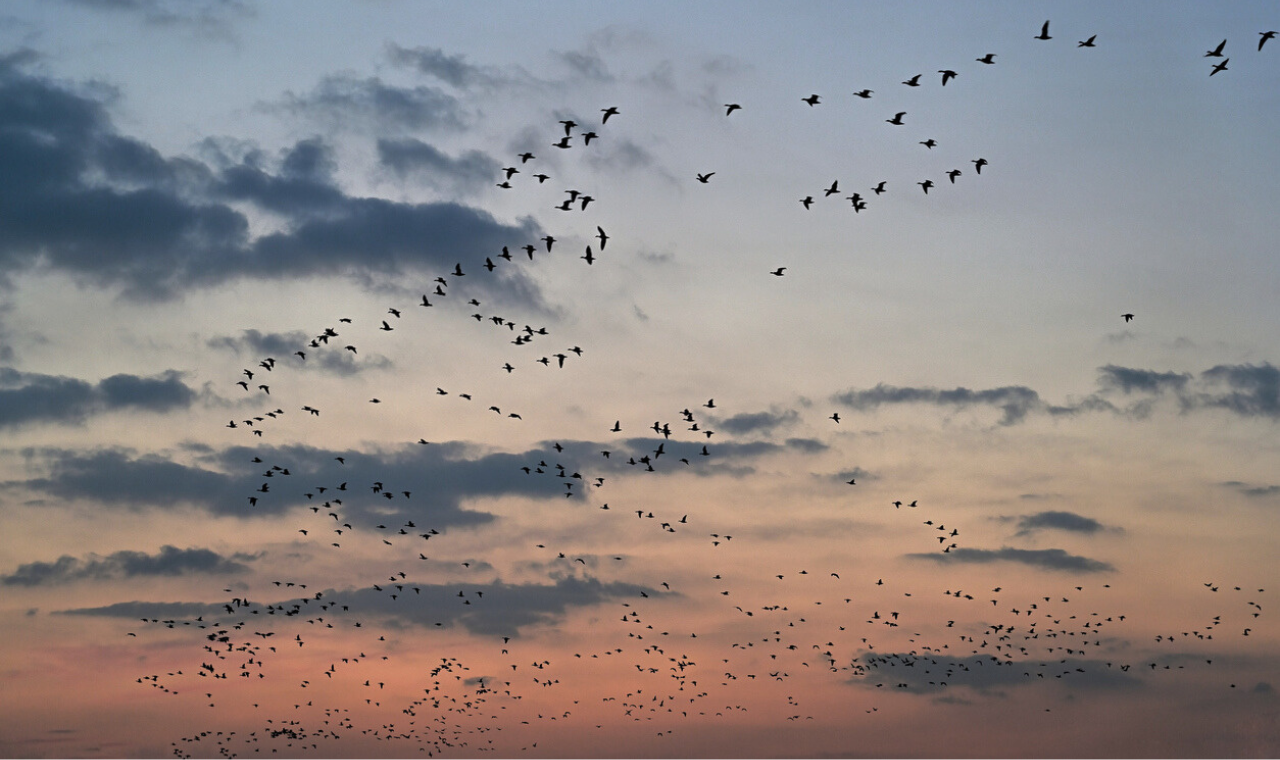
As the Sun disappears, the sky can suddenly fill with wings.
Around the world, enormous colonies of bats spend their days roosting in caves, trees, bridges, and other sheltered places. At dusk, they emerge to feed—sometimes by the hundreds of thousands—creating swirling streams of bats that can stretch across the evening sky.
These nightly flights offer a spectacular glimpse into a world that becomes active just as ours is winding down. Bats are also vital parts of nighttime ecosystems, pollinating plants, dispersing seeds, and consuming enormous numbers of insects.
How to experience them: Visit a known emergence site around sunset and watch from designated areas without shining lights toward the bats. Carlsbad Caverns National Park and Austin’s Congress Avenue Bridge are two spectacular examples.
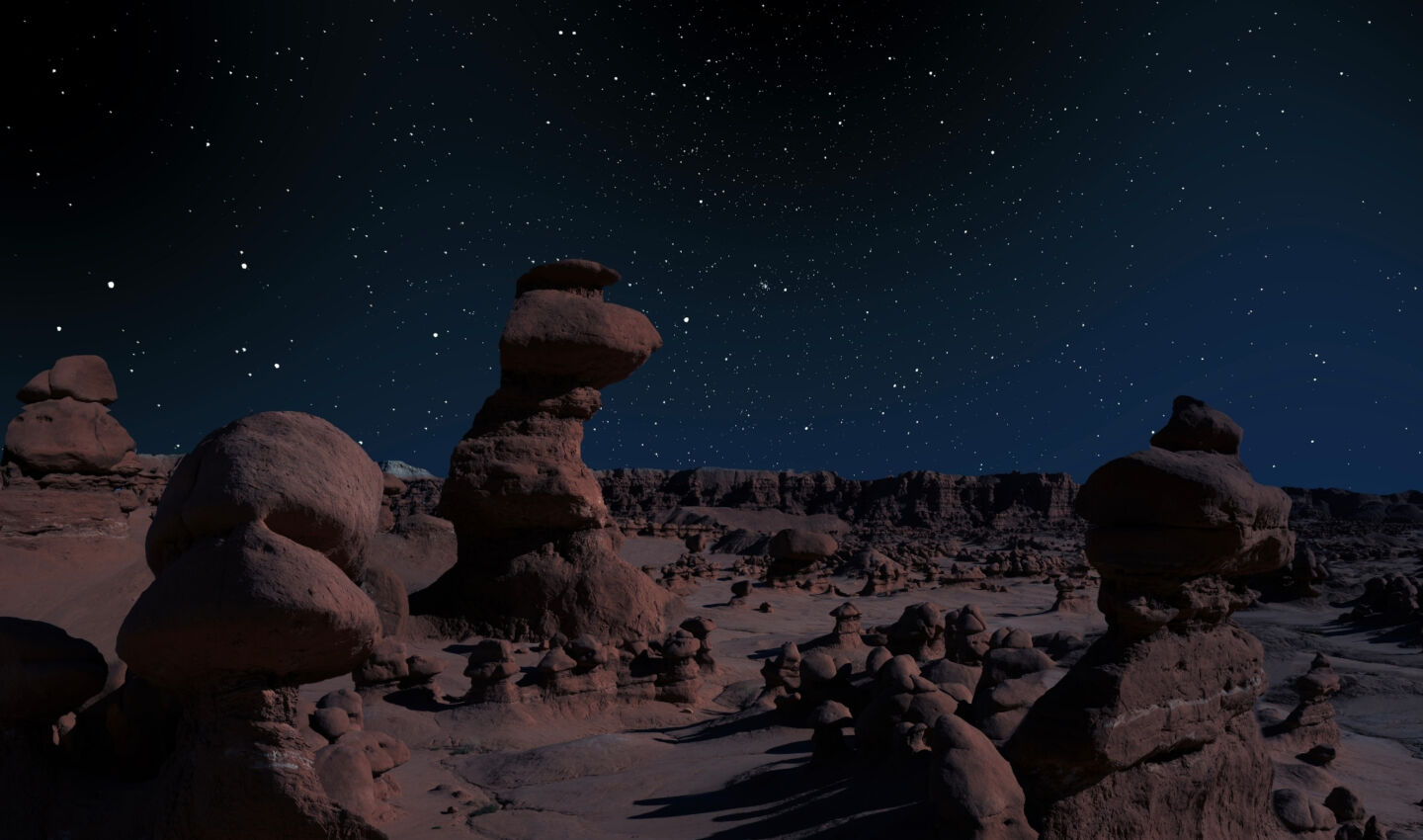
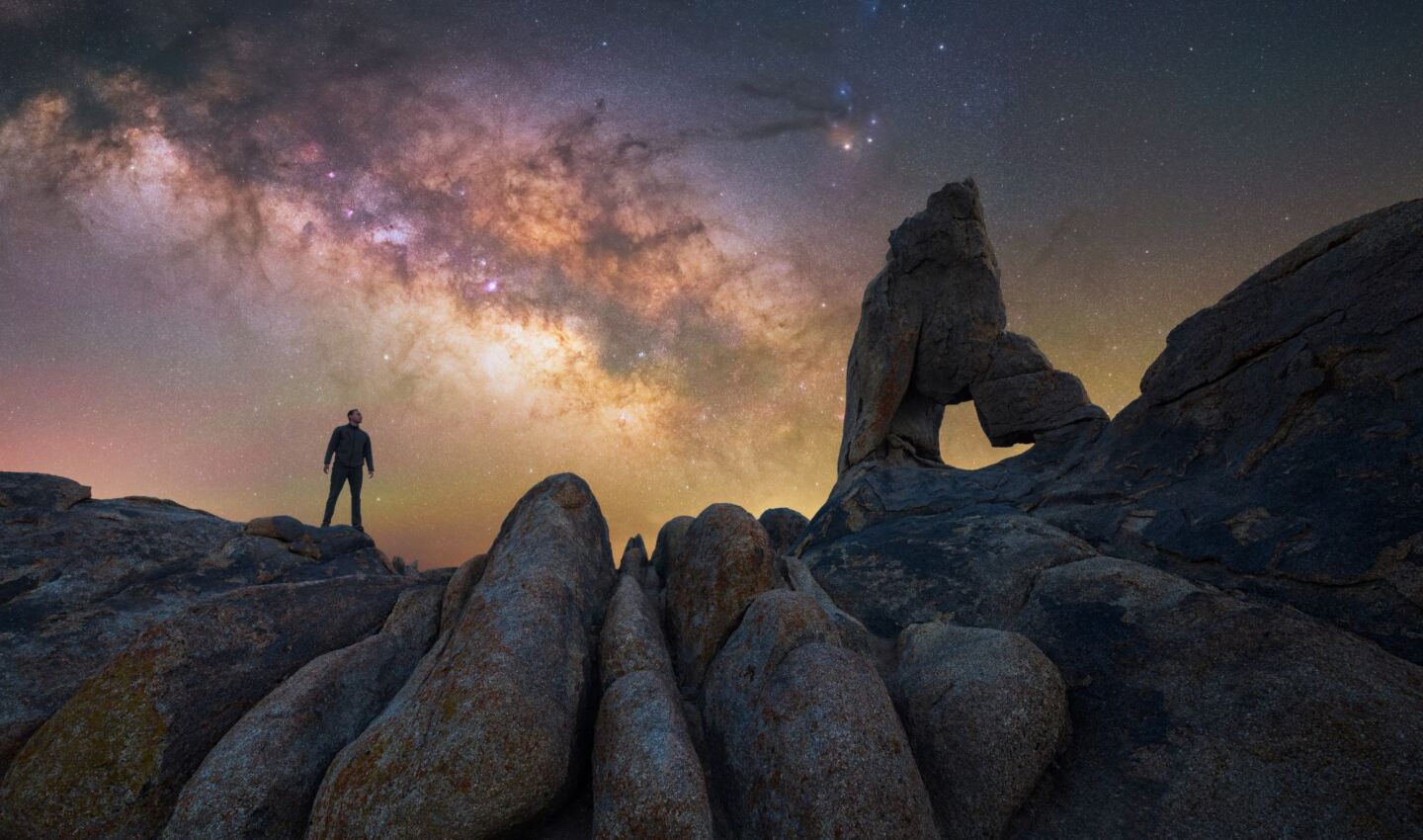
What if an entire landscape were protected with the night in mind?
Around the world, communities, parks, reserves, sanctuaries, and other destinations are working to preserve naturally dark skies through the International Dark Sky Places program.
Certification recognizes more than a spectacular view of the stars and Milky Way: these places actively protect darkness through responsible outdoor lighting, public education, conservation, and long-term commitments to reducing light pollution.
Together, they demonstrate that protecting the night and thoughtfully lighting the places where people live, work, and travel can go hand in hand.
How to experience them: Find an International Dark Sky Place near you (link to IDSP map). Stay after sunset, join a nighttime program, or simply give your eyes time to adjust and look up.
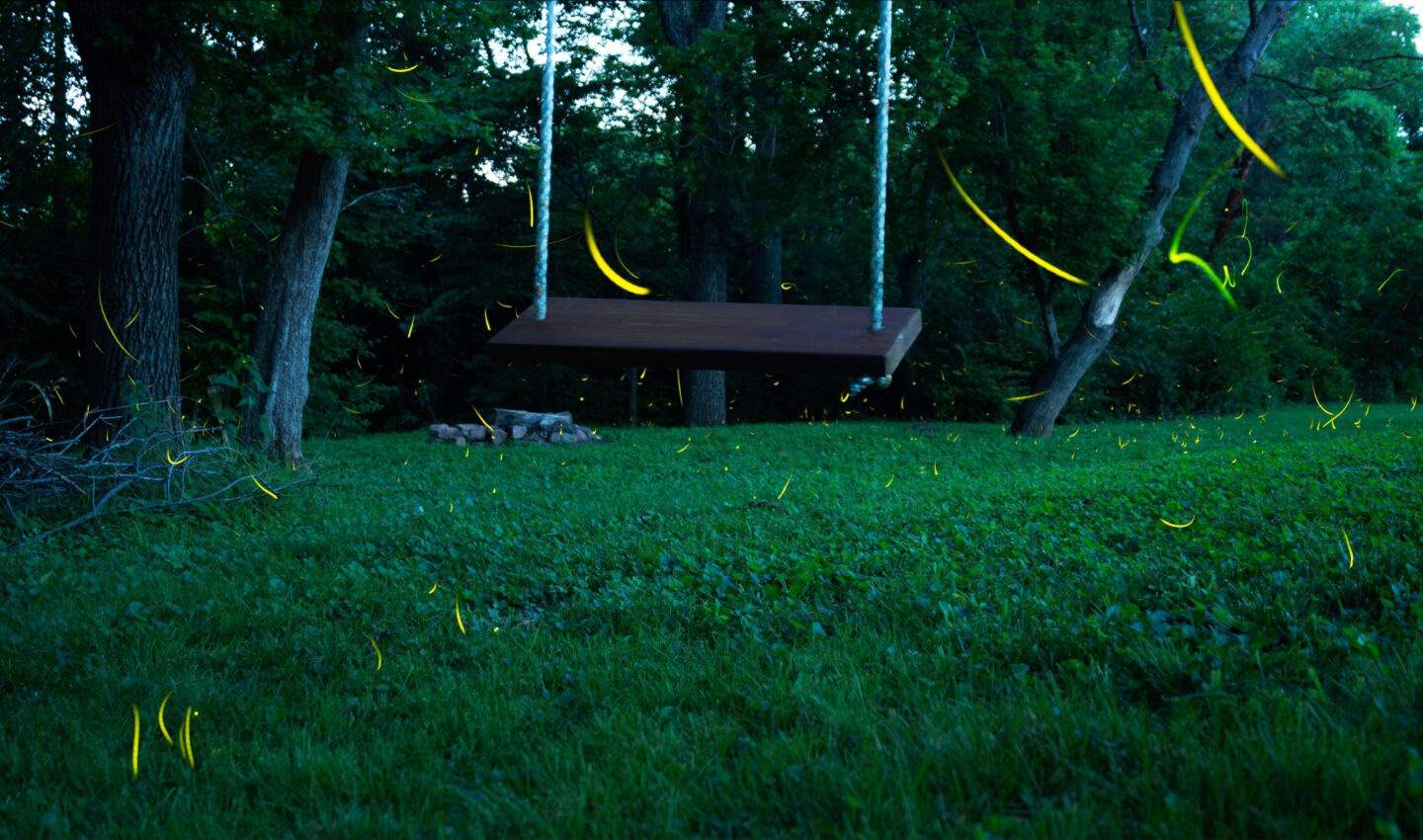
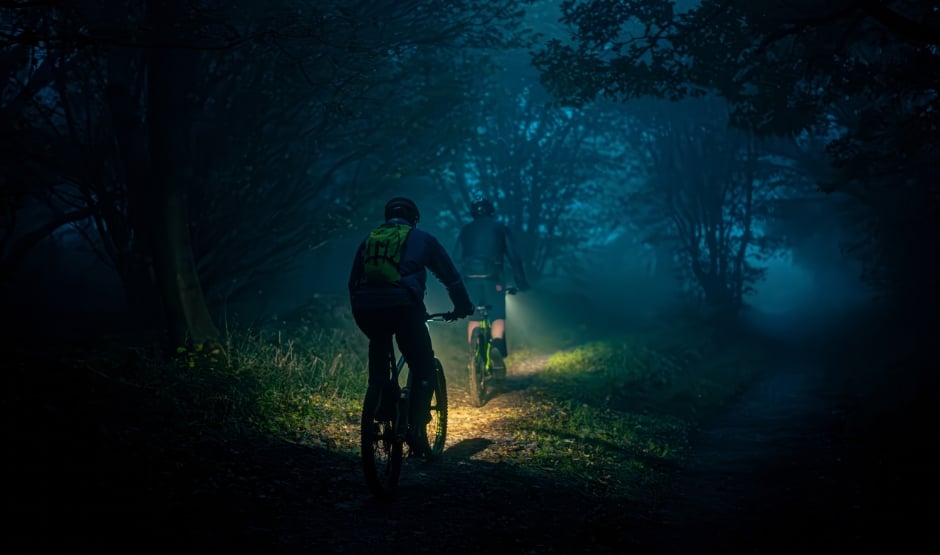
Night time adventure may be much closer than you think.
Step outside after dark and give yourself time to notice what changes. Listen for an owl. Watch bats dart overhead. Look for moths and other nighttime pollinators. Notice how different familiar trees, buildings, and landscapes become once the Sun disappears.
Then look up. Even from a city or suburb, you may find stars, planets, the Moon, meteor showers, and other reminders that the night is a world of its own.
How to experience it: Turn off unnecessary lights, put away your phone, and step outside. Give your eyes time to adjust and see what the night reveals.
Light pollution is changing the nighttime environment, affecting our view of the stars and disrupting the darkness that wildlife and ecosystems have evolved with.
But unlike many environmental challenges, light pollution is something we can help reduce with the flip of a switch.
DarkSky’s Five Principles for Responsible Outdoor Lighting can help. Use light only where and when it’s needed. Point it downward. Keep it no brighter than necessary. Choose warmer-colored light. And turn it off when its job is done.
DarkSky International is the recognized global authority on light pollution, leading a worldwide movement to protect the nighttime environment and our shared heritage of dark skies through advocacy, conservation, education, research, and the promotion of responsible outdoor lighting.
In the 60 years since the legendary creator Gene Roddenberry introduced the world to a Star Trek universe where “Infinite Diversity in Infinite Combinations” remains its proud legacy, the series has continued to break barriers – inspiring generations of fans with a celebration of cultural diversity and inclusion, scientific exploration, and the pursuit of uncharted frontiers. Today, the Star Trek canon continues to thrive through film, television, animation, games, publishing, podcasts, experiences and children’s programming. Available in over 190 countries worldwide, the Star Trek franchise of 11 TV series, 14 films and over 900 episodes has been a mainstay in generating stories that are both exciting and thought-provoking, as well as vastly contributing to the pop culture lexicon throughout the years. Be sure to follow @StarTrek on social media for all things across the franchise. The Star Trek series, including Star Trek: Strange New Worlds, Star Trek: Discovery, Star Trek: Picard, and the newest series Star Trek: Starfleet Academy, original movie Star Trek: Section 31 and the animated series Star Trek: Lower Decks on Paramount+ are produced by CBS Studios in association with Secret Hideout and Roddenberry Entertainment. Executive producer Alex Kurtzman oversees the Star Trek universe across all platforms. For more information on where to watch Star Trek, visit StarTrek.com/Where-To-Watch.