









An International Dark Sky Place (Place) aims to encourage communities and protected areas to become environmental leaders by communicating the importance of dark skies to the public and providing an example of what is possible with proper stewardship.
Depending on the location, staff and volunteers’ resources, experience, and knowledge, Places are committed to providing engaging outreach and education every year. These diverse events and actions incorporate values such as astronomy, wildlife, energy efficiency, safety, and human health.
2025 was another year of tremendous growth for the IDSP program, with the addition of 22 newly certified Places. These new Places pushed the program past the 250 worldwide certifications mark, and this progress is not slowing down, as the 2025 IDSP annual reports indicate.
While light pollution continues to grow worldwide at an alarming rate, we are encouraged by the number of Places interested in becoming certified, demonstrating their commitment to combating light pollution and protecting dark skies on every continent. Last year’s Places showed how much progress has been made in lighting retrofits, outreach and education, and environmental conservation. With more Places to come this year, we know that dark sky advocates will not rest until we have reclaimed the precious night sky.
Annual reports for all certified Places are available on each Place’s webpage. While it is impossible to publicize all of their hard work in a short blog, we can showcase a selection of our advocates’ work that exemplifies the program’s goals and mission and embodies the core values of DarkSky International and the global dark-sky movement.
Follow the links below to learn more about these sites and discover creative ways to celebrate, support, and protect our dark skies.
Presentation of information to the public in creative and engaging ways
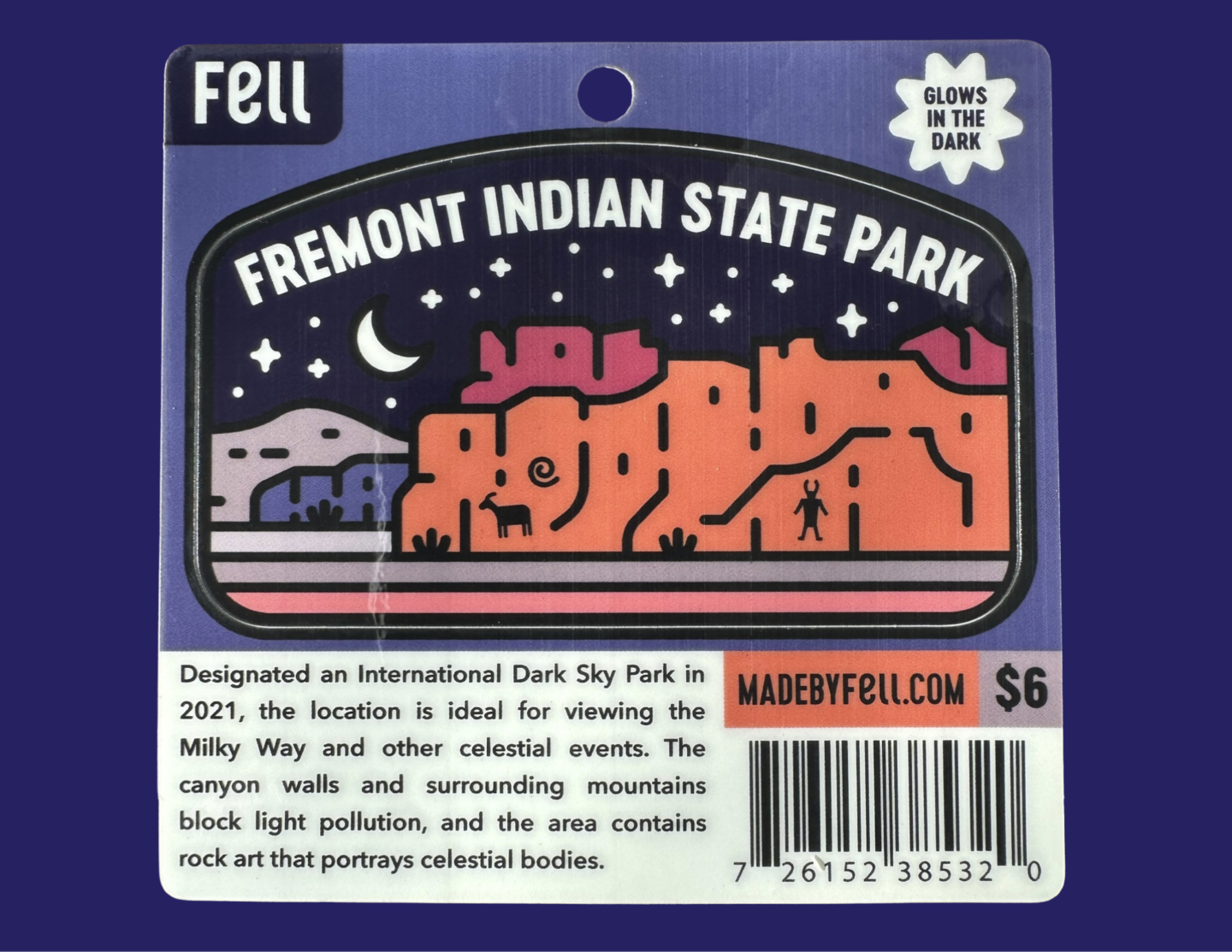
Fremont Indian State Park, Utah, US — The Park partnered with Utah State University Extension, the Central Utah Health Department, and the Utah Office of Tourism to host a star party highlighting the connection between dark skies and mental well-being. The event attracted strong community participation and demonstrated growing interest in the health benefits of natural darkness. Building on its success, the Park plans to continue and expand these partnerships through future dark sky events and educational programs.
Pickett-Pogue International Dark Sky Park, Tennessee, US — Pickett-Pogue integrates dark sky interpretation into every evening program, using the park’s certified status as a platform to educate visitors about the value of natural darkness, the impacts of light pollution, and the importance of preserving the night environment. Through guided interpretation, visitors gain a deeper understanding of the cultural, ecological, and scientific significance of dark skies and are encouraged to apply responsible lighting practices in their own communities.
Dinosaur National Monument, Colorado and Utah, US — The Monument contributed to a forthcoming science communication publication by developing interpretive content that highlights how National Parks communicate the health and wellness benefits of naturally dark night skies. This work helps expand public understanding of the connections among darkness, human health, and environmental stewardship while providing an example of effective dark-sky interpretation and outreach. Through this contribution, the park is advancing broader efforts to communicate the value of protecting natural nightscapes to diverse audiences.
Finding common ground through learning
Westcliffe and Silver Cliff, Colorado, US — The communities of Westcliffe and Silver Cliff continue to support science education by providing books aligned with local curriculum standards from pre-kindergarten through high school. These resources help students explore science and the natural world through dark sky-related topics, including astronomy, the effects of light pollution, and the importance of preserving natural night environments. By integrating dark-sky themes into age-appropriate educational materials, communities help foster scientific curiosity and build awareness of the night sky as a valuable natural resource.
Presteigne and Norton International Dark Sky Community, Wales, UK — Presteigne and Norton successfully worked with John Beddoes High School to incorporate dark sky education into its science curriculum, providing students with opportunities to learn about natural night environments. Building on this success, the school plans to expand dark sky-related learning into design and technology courses in 2026, creating additional opportunities for students to explore the practical applications of responsible lighting and sustainable design. The community received the One Voice Wales Sustainability Award and shared its experience through presentations across the region, encouraging other communities to pursue dark sky protection initiatives. Visits from elected officials and DarkSky International leadership further strengthened awareness, visibility, and institutional support for ongoing dark sky efforts.
City of Rocks National Reserve, Idaho, US — The Reserve is developing new interpretive programming to engage underserved communities and expand access to dark-sky education and night-sky experiences. These efforts aim to increase awareness of responsible lighting practices while fostering connections to the night environment among audiences who may have had limited opportunities to participate in dark-sky programming. At the same time, the Reserve continues its outreach efforts with private landowners, providing education on responsible lighting practices and encouraging actions that help protect and enhance the quality of the night sky across the broader landscape.
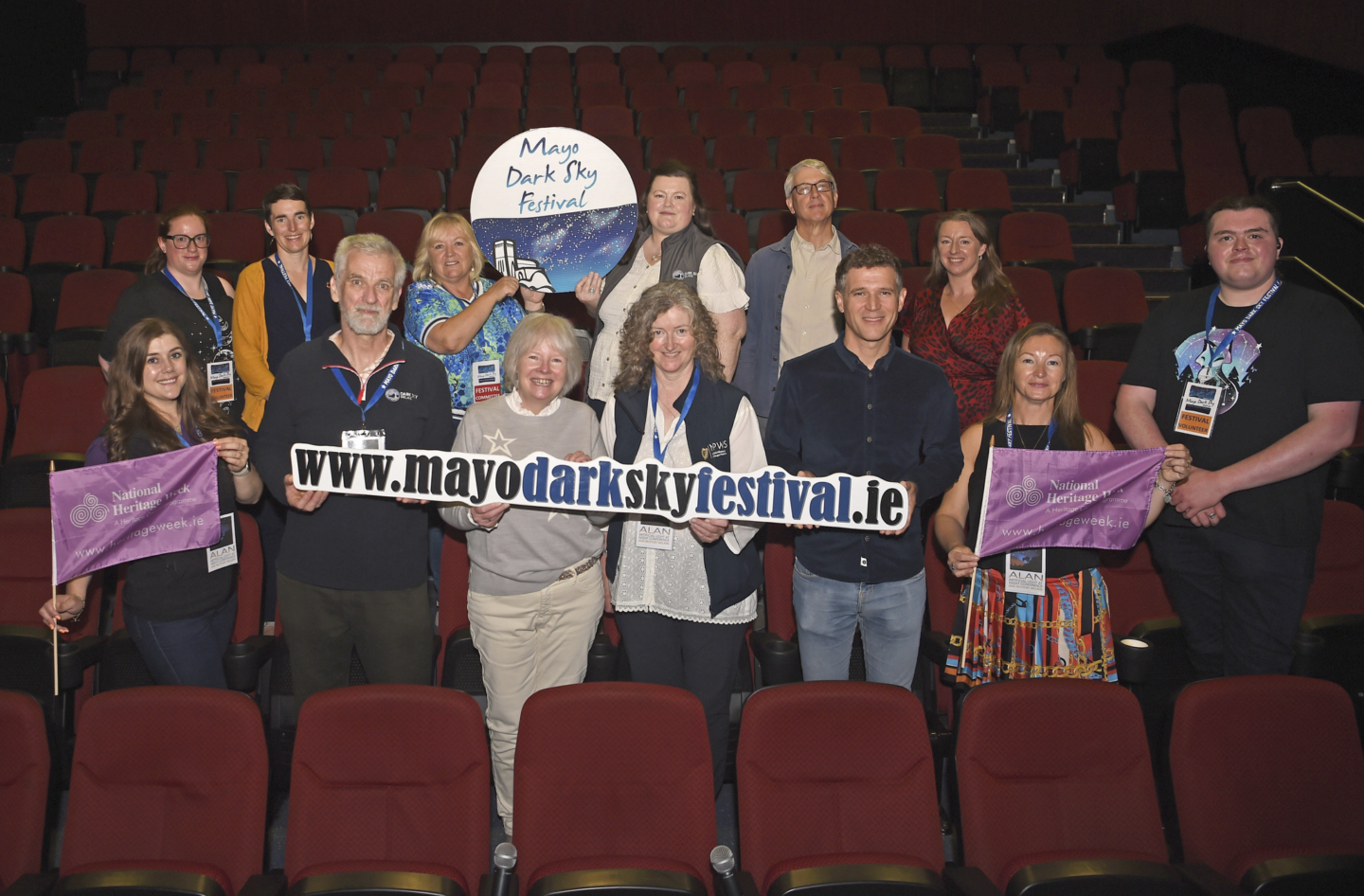
Mayo Dark Sky Park, Ireland — Mayo significantly expanded its international reach by hosting the Artificial Light at Night (ALAN) conference, which brought together more than 200 scientists from over 40 countries to share research and advance understanding of light pollution and its impacts. The park also continued its strong commitment to public interpretation and engagement, delivering more than 70 events annually that connect audiences with dark sky science, conservation, and the importance of preserving natural night environments.
Improving quality of life through good lighting practices
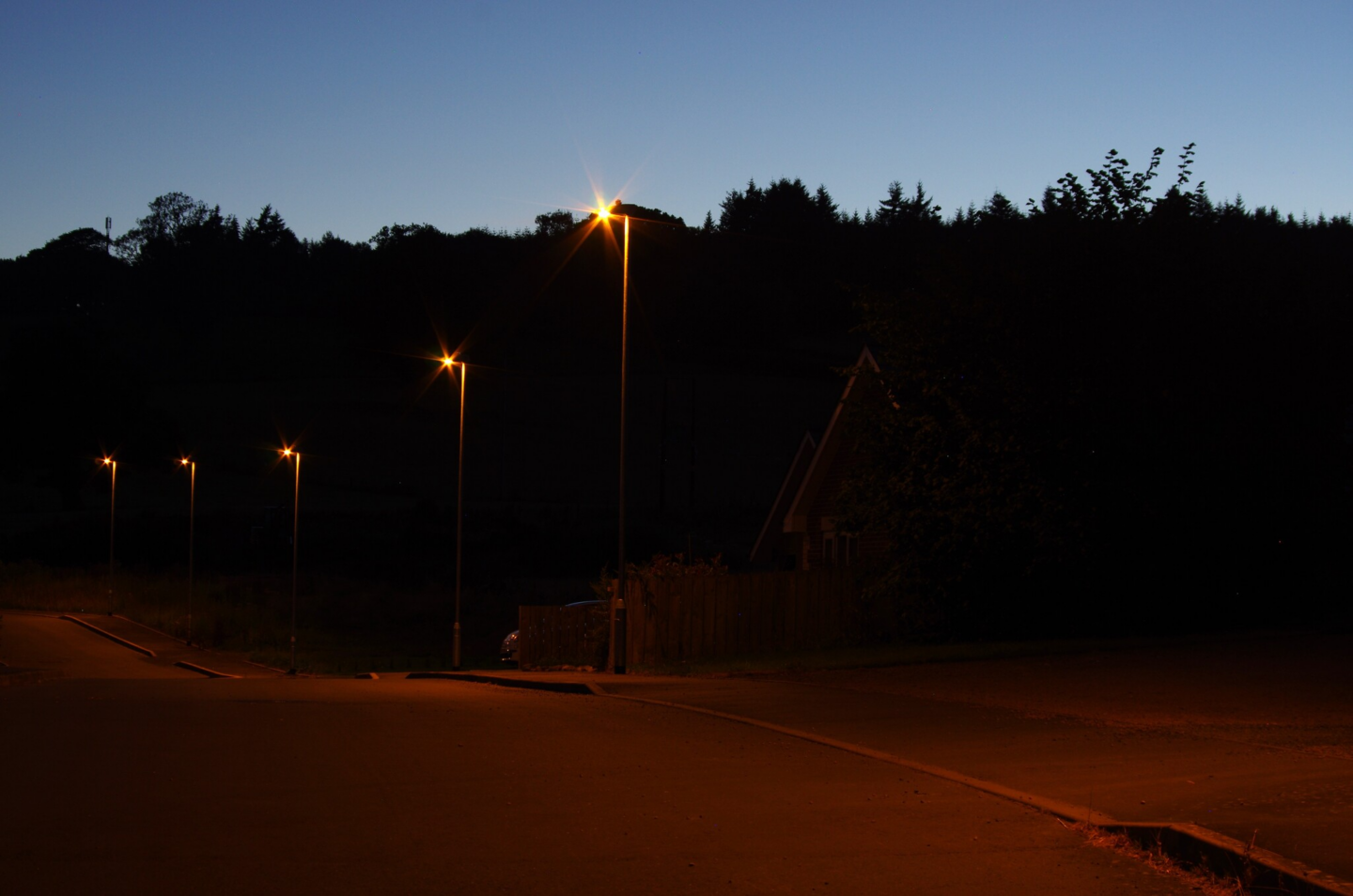
Grand Canyon National Park, Arizona, US — Grand Canyon has achieved approximately 95% lighting compliance and remains on track to reach full compliance within the next 2 years. This progress reflects a sustained commitment to protecting the park’s exceptional night skies and reducing light pollution across its infrastructure. Continued improvements in lighting practices support both resource protection and visitor interpretation of the park’s natural night environment.
Moab, Utah, US — The city’s lighting compliance increased from 4 percent to 33 percent through targeted infrastructure improvements, including retrofitting decorative downtown lighting and planning for citywide streetlight replacements. These actions represent a significant step forward in improving lighting practices and reducing light pollution across the community.
Teton County, Wyoming, US — The county continued to make progress by bringing additional fixtures into compliance, removing outdated lighting infrastructure, and refining its inventory of outdoor lighting assets. These efforts support a more accurate understanding of existing conditions while advancing systematic improvements to outdoor lighting across the site.
Torrey, Utah, US — The community secured $17,500 in funding to help residents replace older, non-compliant fixtures, reducing financial barriers to upgrading outdoor lighting. This initiative creates new opportunities for community members to transition to compliant fixtures, improving overall lighting quality and contributing to broader efforts to reduce light pollution.
Engagement to benefit everyone
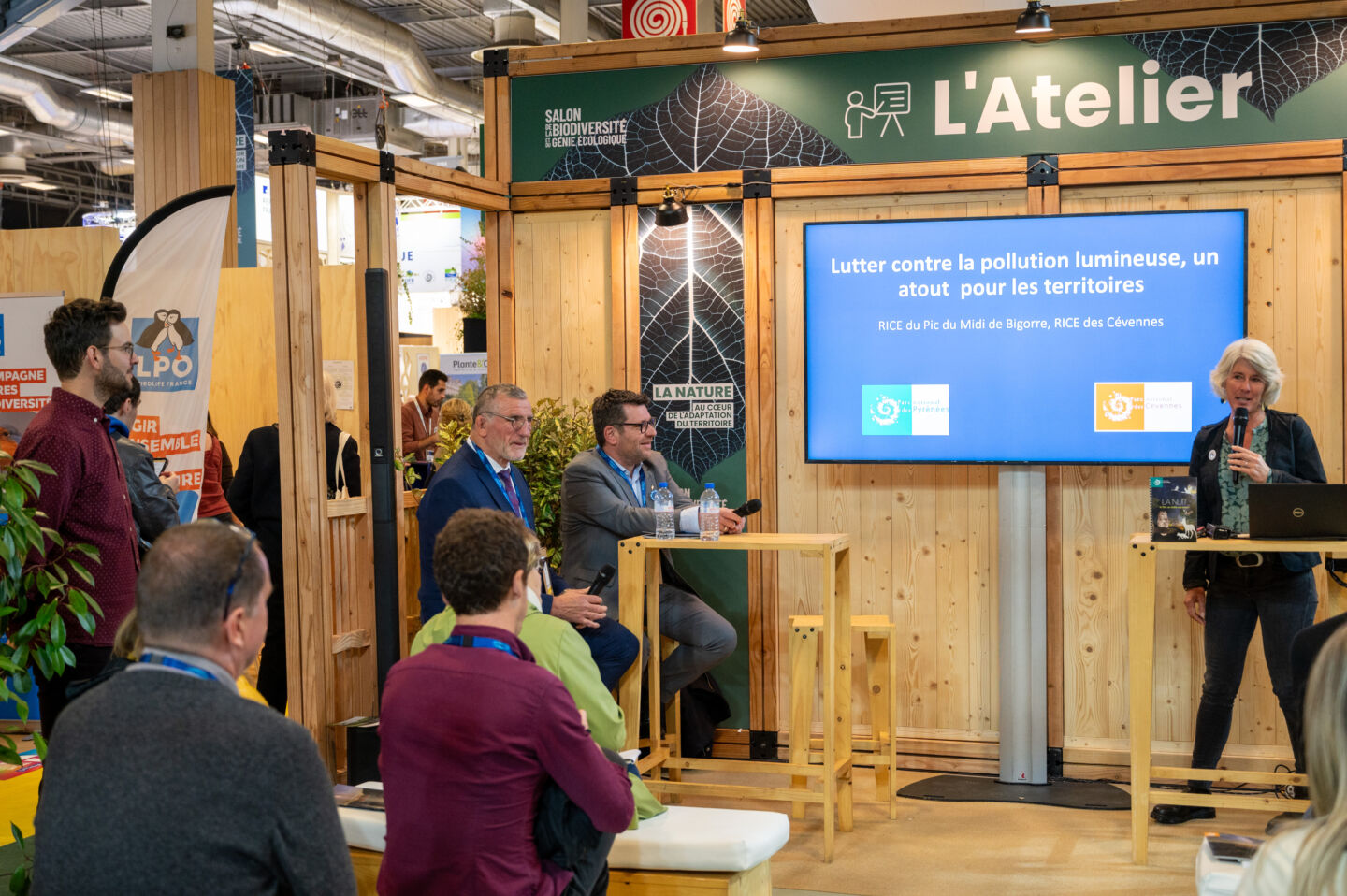
Fountain Hills, Arizona, US — Fountain Hills continued preparations for the International Dark Sky Discovery Center, anticipated to open in 2026, advancing planning and coordination efforts to support the facility’s educational mission. Strong partnerships with local schools, businesses, museums, libraries, conservation organizations, and tourism partners are helping broaden dark-sky awareness and integrate night-sky education throughout the region.
Steinaker State Park, Utah, US — The Park strengthened community engagement through partnerships with local museums, libraries, tourism organizations, and Dinosaur National Monument, supporting a more coordinated approach to regional education and outreach. Planned collaborations include a combined Earth Day and International Dark Sky Week celebration, joint educational programming, and expanded outreach efforts that connect dark sky conservation with tourism, recreation, and public interpretation of the night environment.
Tracking change and gaining knowledge
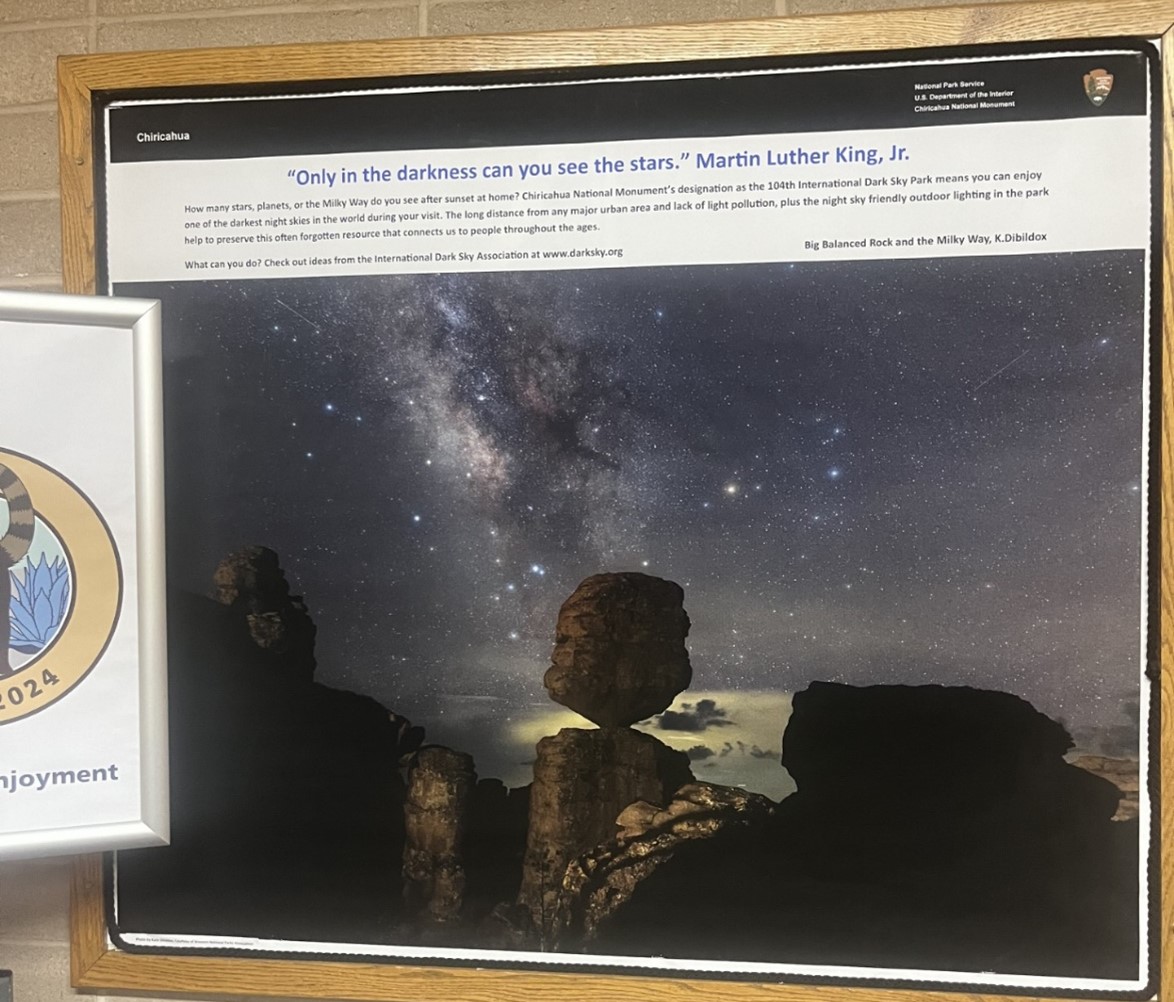
Jonestown, Texas, US — The community continued to see improvements in sky quality, with average measurements reaching 19.19 magnitudes per square arcsecond, up from 19.06 in 2024. Community leaders attribute this positive trend to a combination of strengthened monitoring practices, expanded public education efforts, improved ordinance compliance, and ongoing lighting upgrades across the community.
Bulbjerg Dark Sky Park, Denmark — Bulbjerg enhanced its monitoring program by installing a permanent SQM data logger that records sky brightness at five-minute intervals throughout the night. This upgrade strengthens the site’s long-term monitoring capacity by providing continuous, standardized data collection. The resulting dataset supports a more detailed understanding of sky quality trends over time and enhances the ability to track changes in night-sky conditions.
Cherry Springs State Park, Pennsylvania, US — The Park continued its statewide effort to establish long-term night sky baselines using a combination of quantitative measurements, night sky photography, and Bortle Scale observations. This multi-method approach provides a well-rounded understanding of existing sky conditions and supports consistent documentation across sites. To date, surveys have been completed at 40 of the 72 selected state parks, contributing to a growing baseline dataset for long-term monitoring and comparison.
Protecting natural resources for all
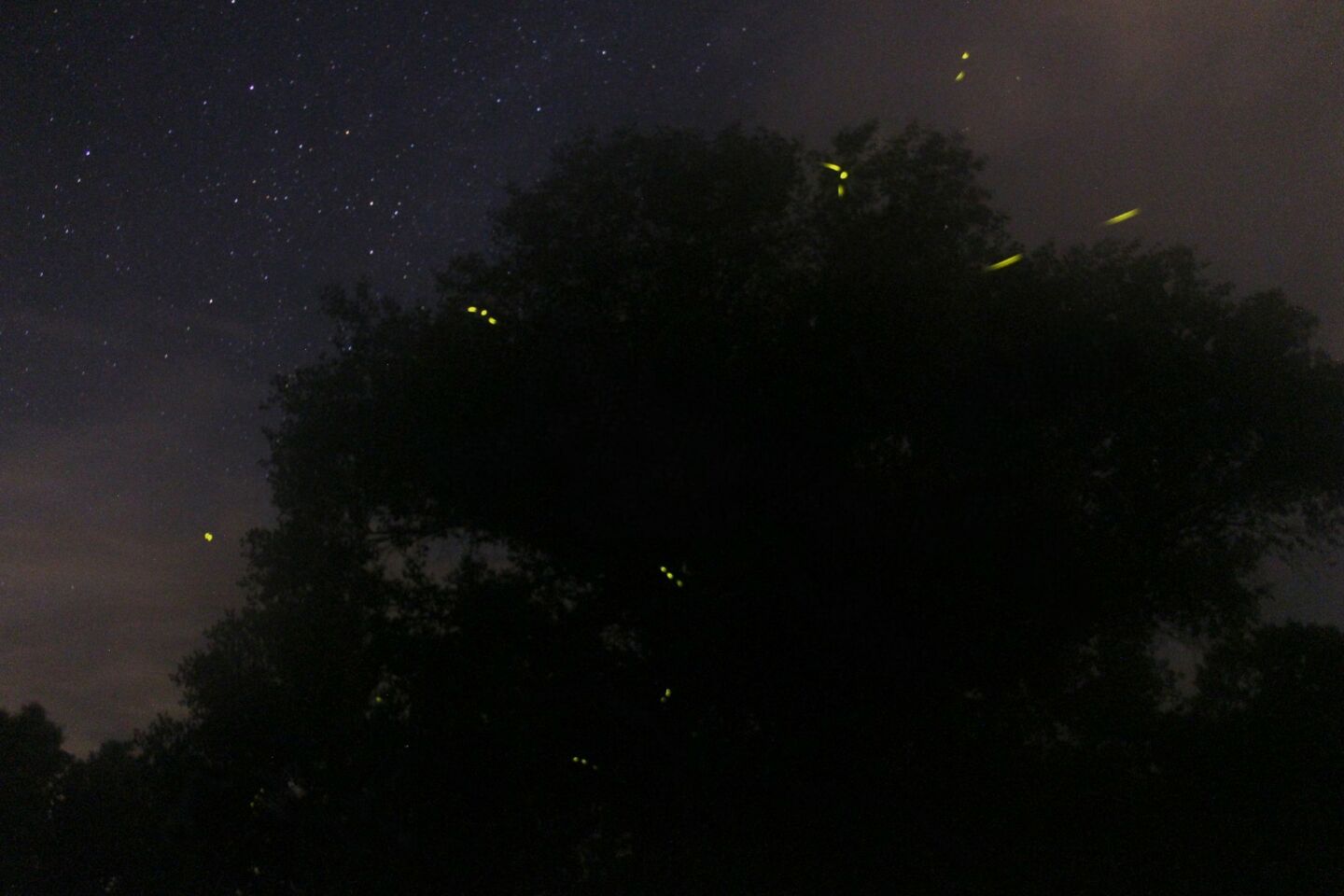
Aotea / Great Barrier Island, New Zealand — Aotea launched new merchandise initiatives to support ongoing dark sky advocacy and conservation efforts while also raising awareness among visitors and supporters. New for 2025 are stickers and postcards produced in partnership with DarkSky International, with a portion of proceeds directed toward dark sky advocacy and conservation initiatives. These materials help extend educational messaging while providing a tangible way for visitors to support ongoing protection of the night sky.
Thousand Hills State Park, Missouri, US — The Park continues to support ongoing habitat restoration, pollinator surveys, and fungal research projects that contribute to broader biodiversity conservation and ecosystem health. These efforts help build a more comprehensive understanding of local ecological conditions while informing long-term conservation and management strategies.
Kissimmee Prairie Preserve State Park, Florida, US — Kissimmee Prairie continued to maintain extensive conservation programs focused on imperiled species and habitat management, supporting the protection and long-term resilience of one of Florida’s most ecologically significant landscapes. These efforts help sustain native biodiversity while reinforcing the park’s broader conservation objectives.
Alpes Azur Mercantour, France — The Reserve secured €2 million in funding through a multi-partner initiative to protect nocturnal wildlife, advance conservation efforts, and increase public awareness of the impacts of artificial light at night. This funding supports coordinated actions across research, outreach, and conservation activities designed to strengthen understanding of light pollution and its effects on ecosystems.
Milton Reimers Ranch Park, Texas, US — Reimers Ranch continued monitoring endangered species, restoring habitat, and supporting scientific research focused on biodiversity, groundwater quality, and overall ecosystem health. These ongoing efforts contribute to a deeper understanding of local environmental conditions and inform long-term conservation and management strategies across the site.
Inspiration through exploration, creativity, and heritage
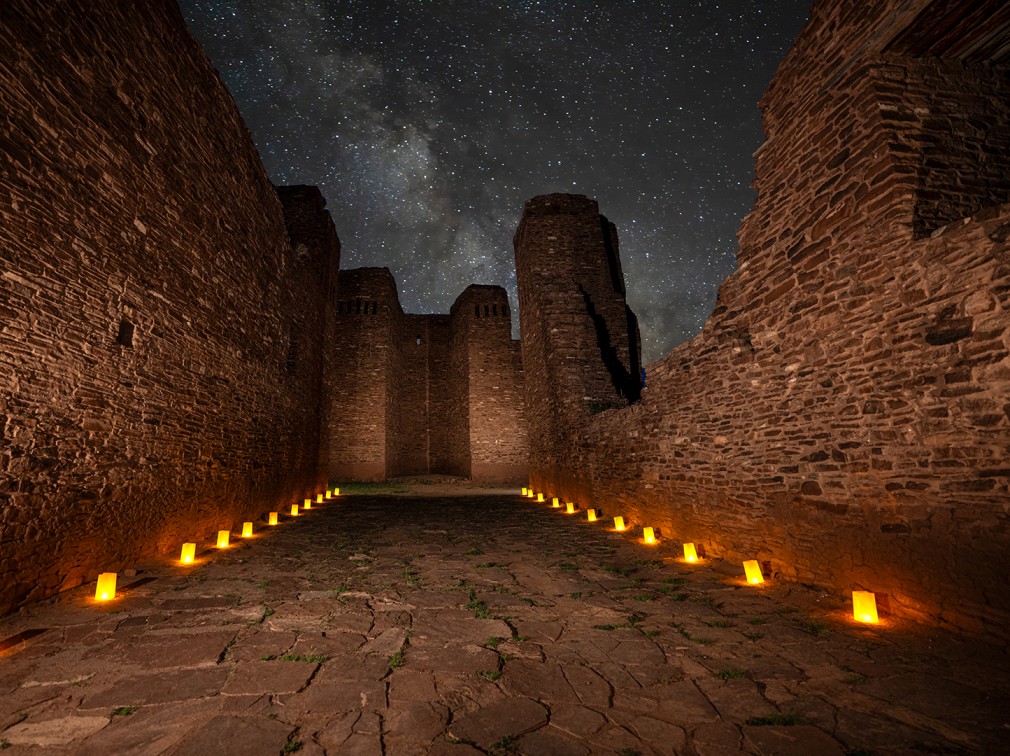
Fremont Indian State Park, Utah, US – The Park is expanding its Art in the Park program to include dark sky–themed workshops and cultural programming that deepen public engagement with the night environment. This includes collaborations with members of the Paiute Tribe to share Indigenous perspectives on the night sky, integrating cultural knowledge with artistic and interpretive experiences. These efforts help broaden understanding of the night sky’s significance across scientific, cultural, and historical contexts.
Natural Bridges National Monument, Utah, US – Natural Bridges continues to integrate astronomy, art, poetry, and Indigenous knowledge through guest speakers and cultural programming that explore humanity’s longstanding relationship with the night sky. These interpretive efforts provide visitors with a multidisciplinary understanding of the night environment, highlighting both scientific perspectives and cultural connections to darkness and the stars
Geauga Observatory Park, Ohio, US – The Observatory partnered with an emerging artist to create a blown-glass solar system installation, offering visitors an alternative, visually engaging way to explore and interpret astronomical concepts. This collaboration connects artistic expression with astronomy education, offering a creative entry point for audiences to engage with the scale and structure of the solar system.
Pisgah Astronomical Research Institute, North Carolina, US – The Institute offers planetarium programs and hands-on educational activities that connect astronomy with cultural traditions, navigation, artistic expression, and scientific discovery. These interpretive programs help audiences explore the night sky through multiple perspectives, supporting a broader understanding of astronomy’s role in both science and human culture.
Dead Horse Point State Park, Utah, US – The Park introduced culturally themed star parties and a new Constellation Quest series that explores how different cultures have interpreted and understood the night sky throughout history. These interpretive programs encourage visitors to engage with astronomy through both scientific and cultural lenses, highlighting the diverse ways humanity has connected with the stars over time.
Yeongyang Firefly Eco Park, South Korea -The Eco Park developed an innovative interpretive experience that combines astronomy, environmental education, media art, and regional culinary traditions. The culinary component highlights locally sourced foods and traditional dishes that reflect the region’s cultural and ecological heritage, often incorporated into evening programming to create a sensory connection between place, landscape, and night sky. By pairing food experiences with astronomy and storytelling, the program deepens visitors’ sense of place and strengthens the connection between dark sky appreciation and local cultural identity.
Across the global network of certified Places, a shared commitment to protecting the night sky continues to gain momentum through both action and example. In the past year, 115 certified Places participated in DarkSky initiatives, including International Dark Sky Week, Under One Sky, proclamations, public awareness campaigns, and community events. From issuing official proclamations to hosting educational programs and engaging local leaders, communities around the world are helping to elevate the importance of natural darkness and build broader public understanding of its value.
At the same time, leadership is being demonstrated not only through outreach but through practice. Ninety-two certified Places reported using DarkSky Approved products in their lighting projects, actively reducing glare, minimizing skyglow, and conserving energy while meeting community needs. These efforts show how responsible lighting choices can be integrated into everyday infrastructure, turning policy and planning into visible improvements on the ground.
Together, these actions reflect a growing global movement that connects education, community engagement, and practical lighting solutions. Whether through celebration and advocacy or through the quiet transformation of lighting systems, certified Places are showing that protecting the night sky is both achievable and deeply rooted in community-led stewardship.