






Conservation doesn’t stop when the sun sets. The International Dark Sky Places program recognizes communities, parks, and protected areas committed to preserving natural darkness through responsible lighting and public education.
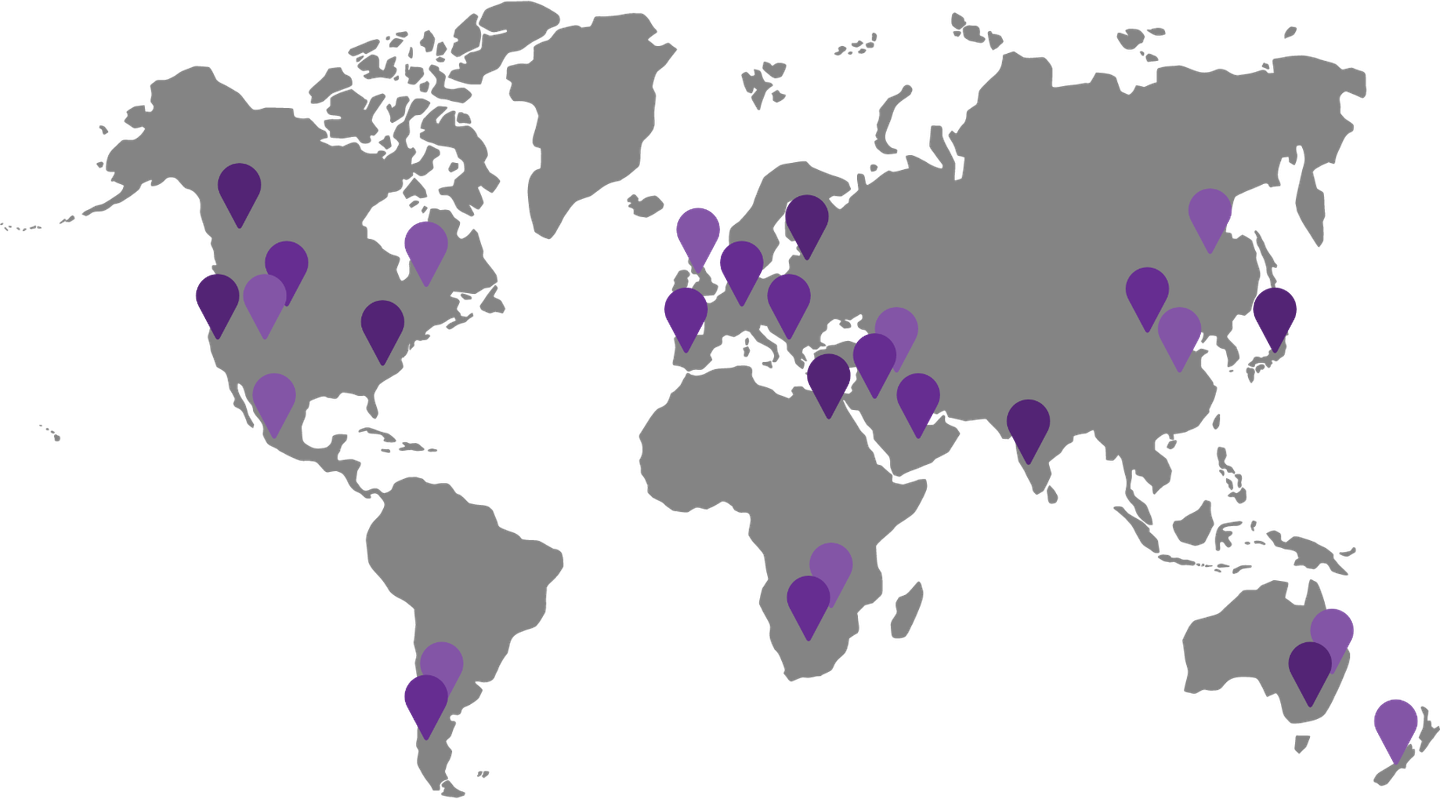
DarkSky has certified more than 279 Places since Flagstaff, Arizona, was named the first International Dark Sky City in 2001.
There are now over 237,167 square kilometers of protected land and night skies in 40 countries on 6 continents, and the list grows every year as new places achieve certification.
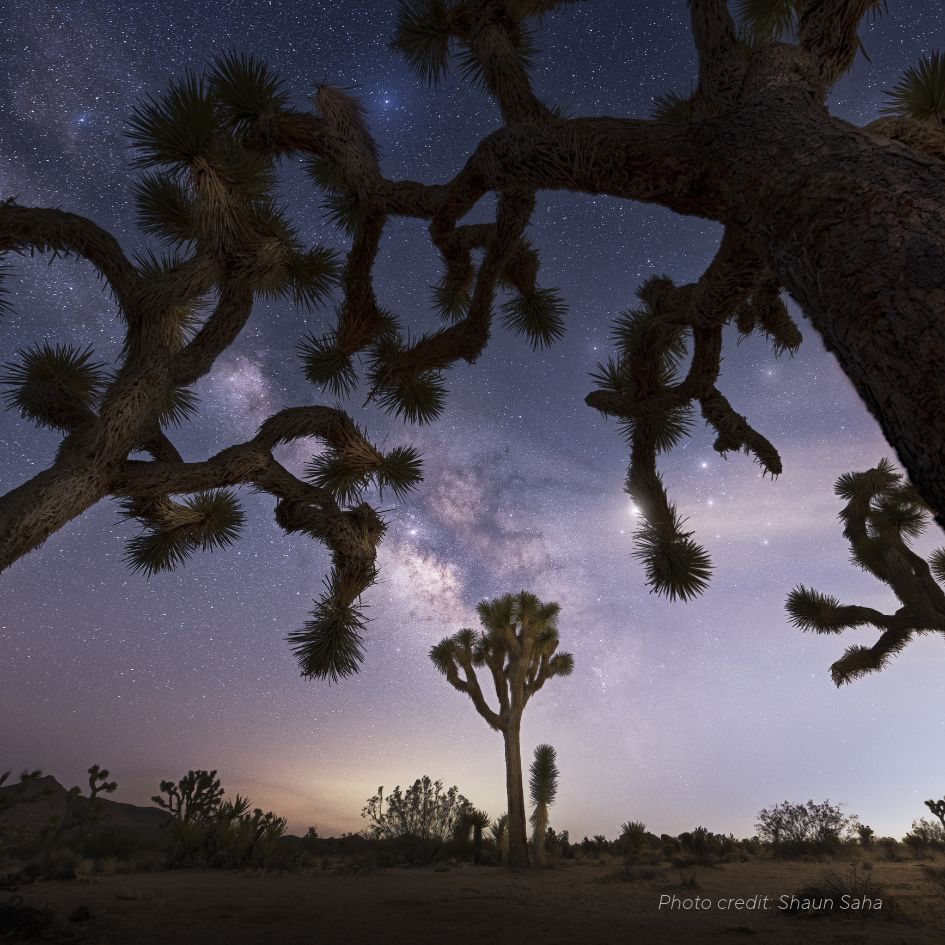
Natural darkness holds great ecological, cultural, and historical importance. Protecting it is essential to maintaining healthy ecosystems, safeguarding wildlife, and preserving our connection to the night sky.
The International Astronomical Union has called for the protection of “Dark Sky Oases” around the world. The International Dark Sky Places program helps turn this vision into reality, establishing lasting protections for natural darkness and earning recognition with the 2015 National Environmental Excellence Award.
Beyond the stars, International Dark Sky Places offer opportunities to experience nocturnal wildlife, discover the wonders of natural darkness, and reconnect with the night.
Certified Places protect natural darkness through responsible lighting and ongoing stewardship while offering educational programs and experiences that inspire visitors to explore, appreciate, and connect with the night.
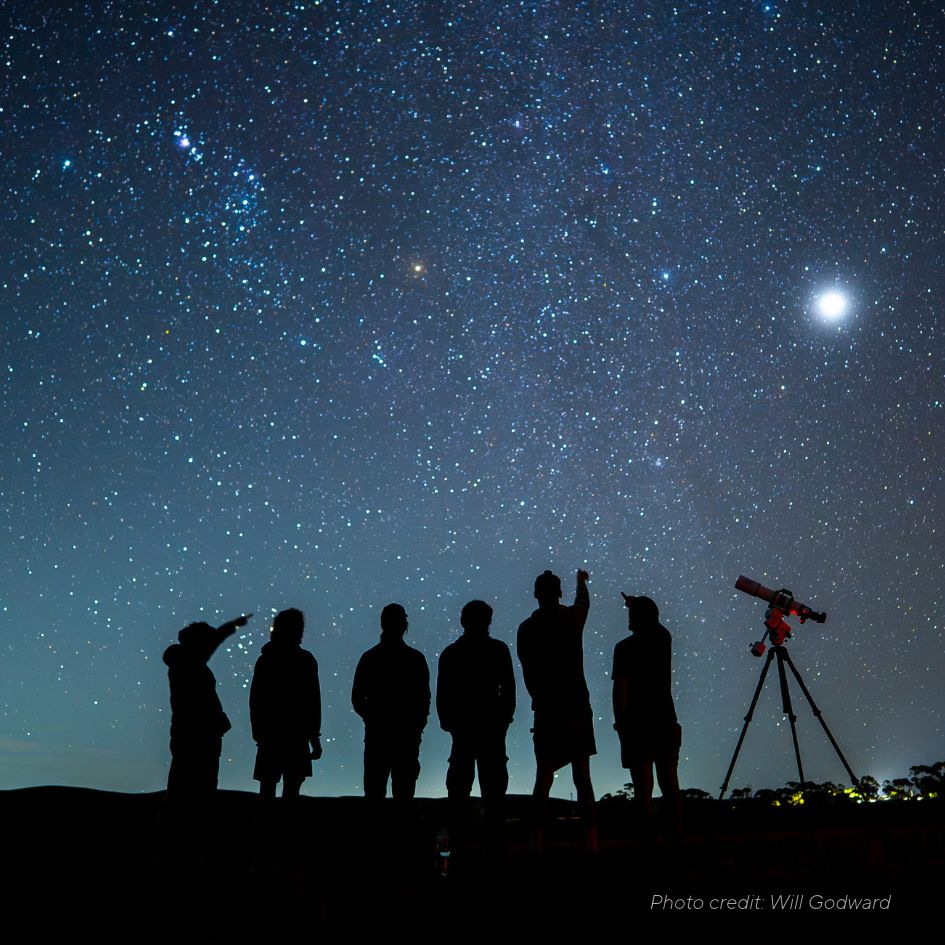

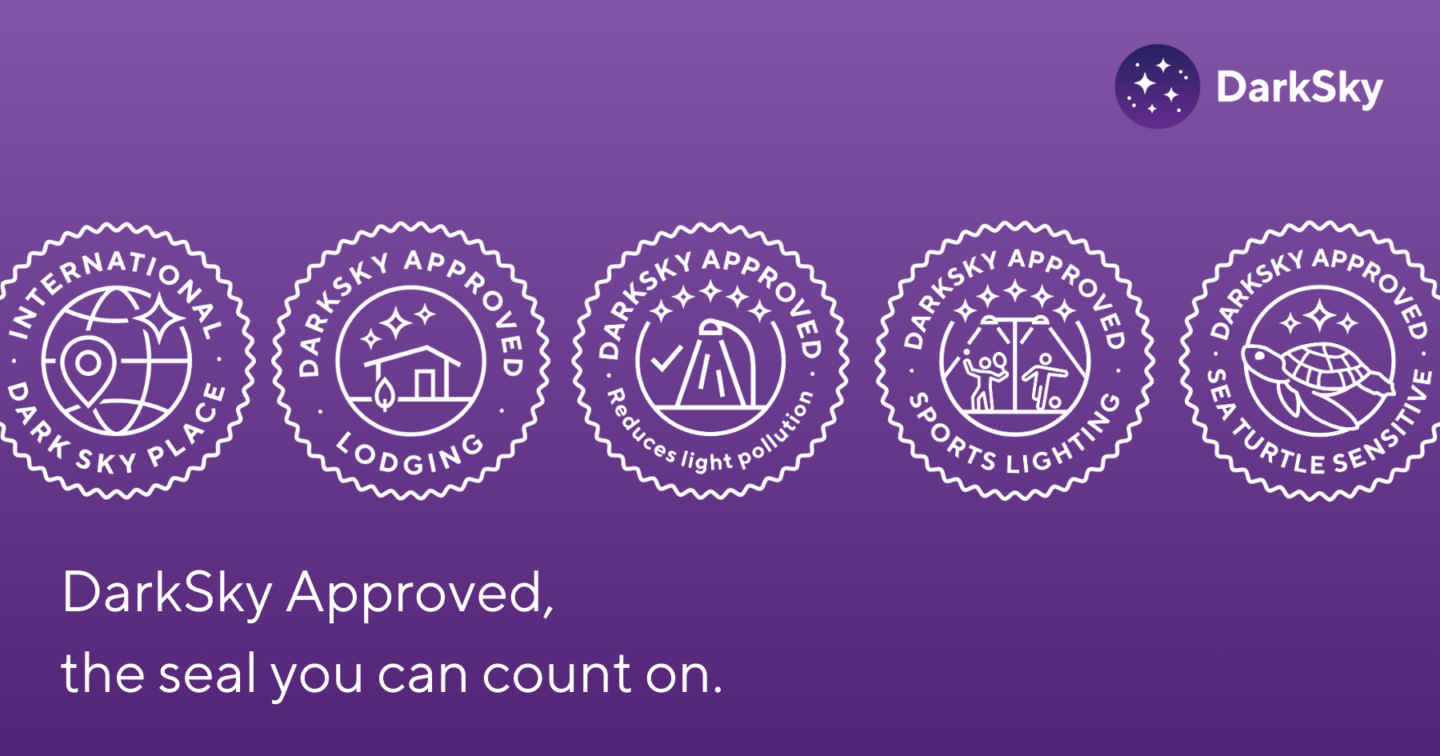
Publicly or privately owned conservation areas that implement good outdoor lighting and provide dark sky programs.
The most remote (and often darkest) places in the world, whose conservation state is most fragile.
Dark “core” zones surrounded by a populated periphery where policy controls protect the darkness of the core.

Urban sites that promote an authentic nighttime experience despite being in the midst of significant artificial light.

Cities and towns with quality outdoor lighting ordinances that educate residents about the importance of dark skies.

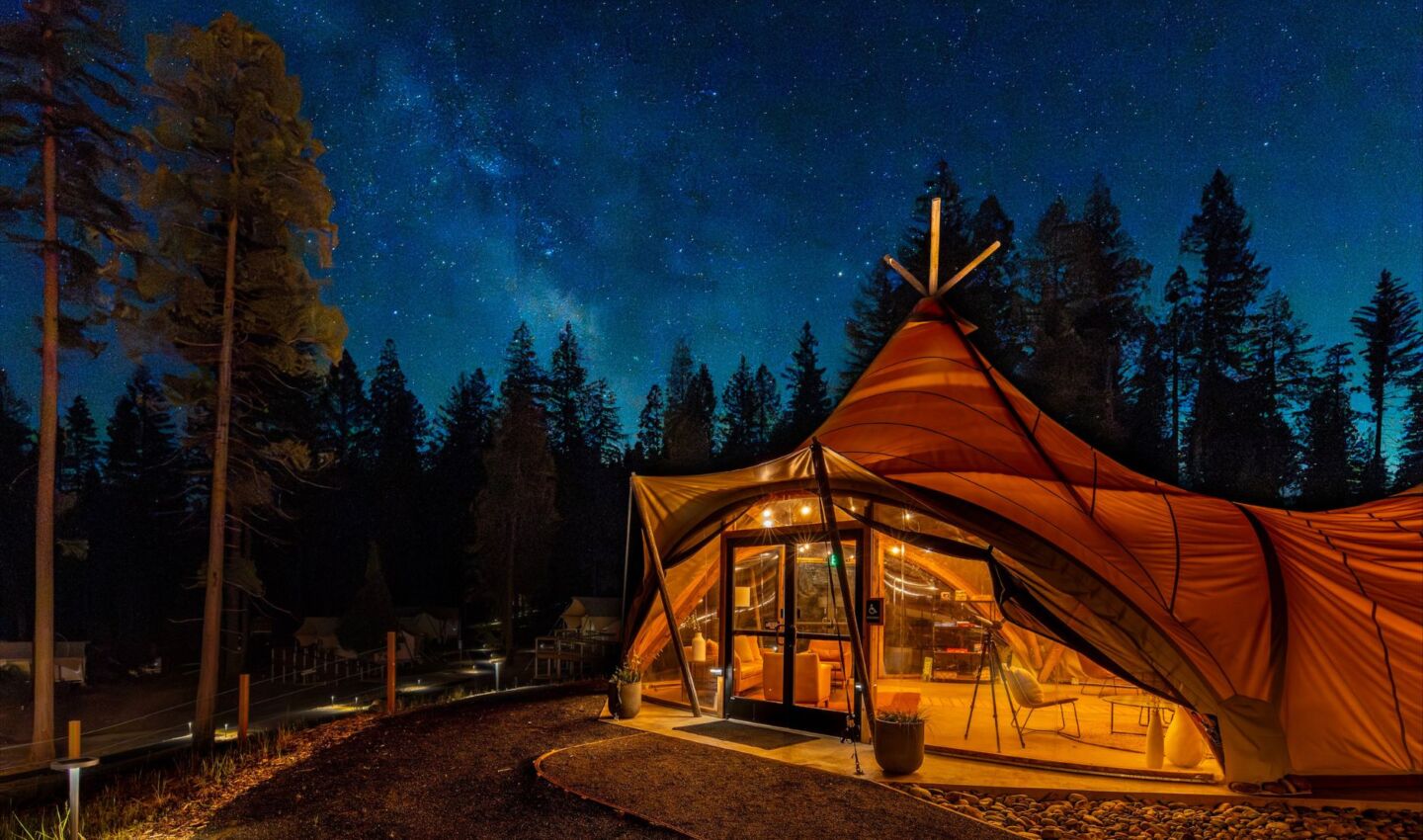
Lodging and overnight accommodations with exceptional quality starry nights protected by DarkSky Approved lighting.
Natural darkness cannot be overlooked in conservation efforts. In an increasingly bright world, DarkSky’s Five Principles for Responsible Outdoor Lighting provide a foundation for protecting the night, with practical solutions that can be implemented in parks, reserves, and communities of any size, in any region.
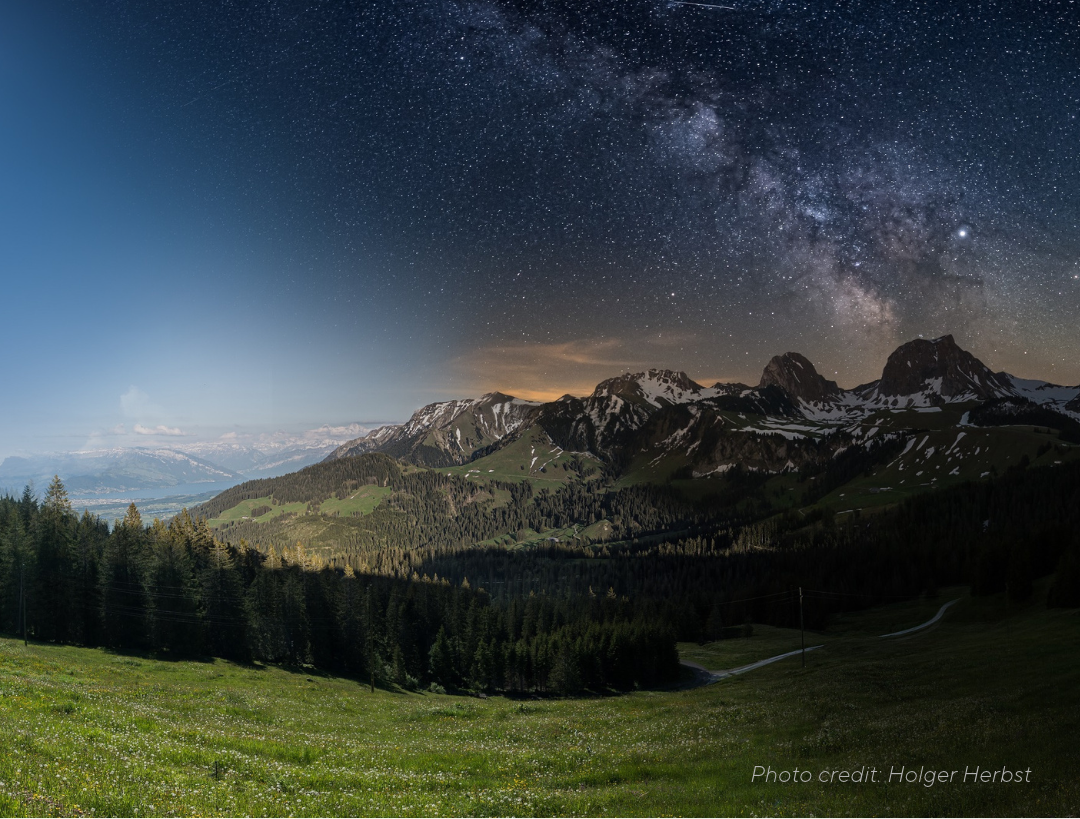
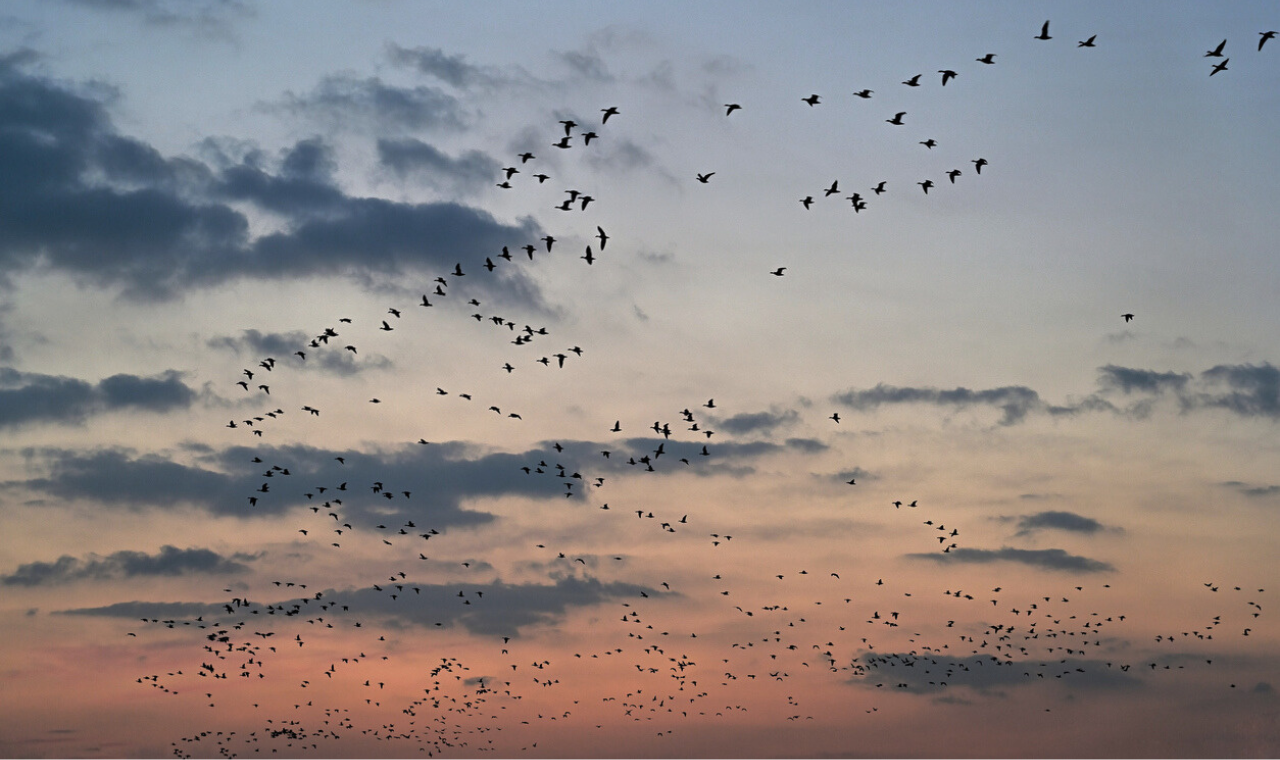
Artificial light at night disrupts the natural cycles that wildlife and ecosystems depend on. From altering migration patterns and feeding behaviors to interfering with reproduction and predator-prey relationships, light pollution threatens biodiversity and the delicate balance of life after dark.
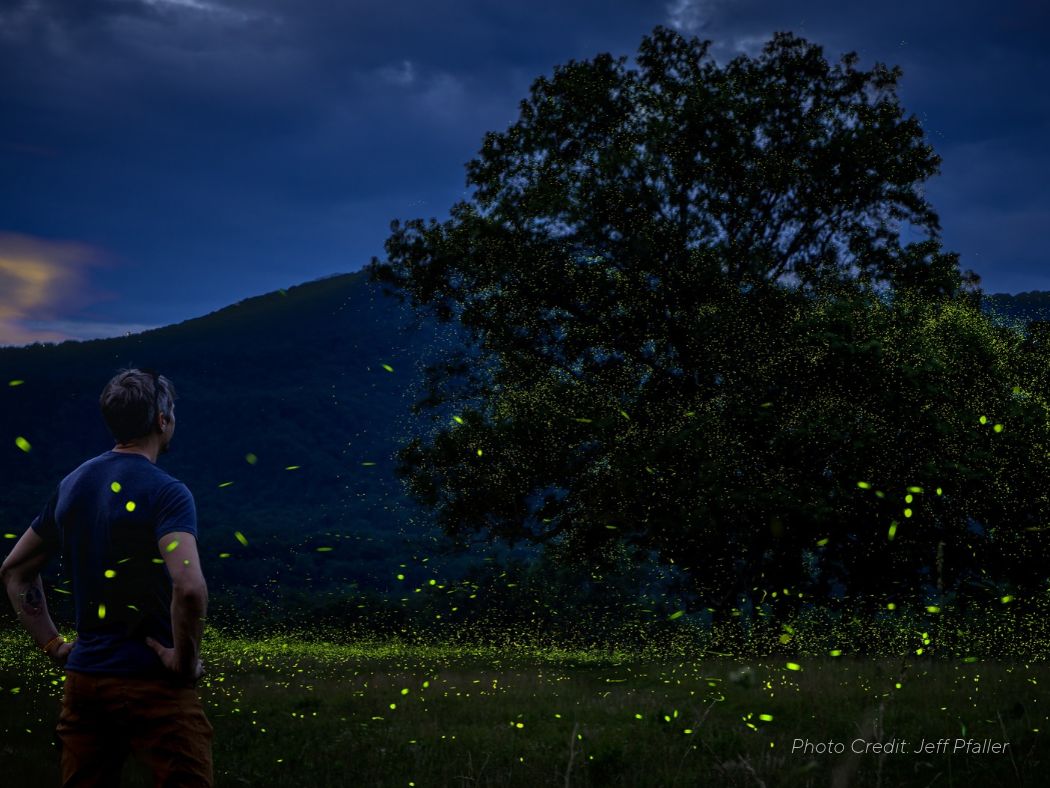
What began in 2001 with the recognition of Flagstaff, Arizona, as the world’s first International Dark Sky City has grown into a globally recognized and beloved conservation program, with nearly 300 certified International Dark Sky Places around the world. Explore the program’s history, its remarkable growth, and the communities that made it all possible.
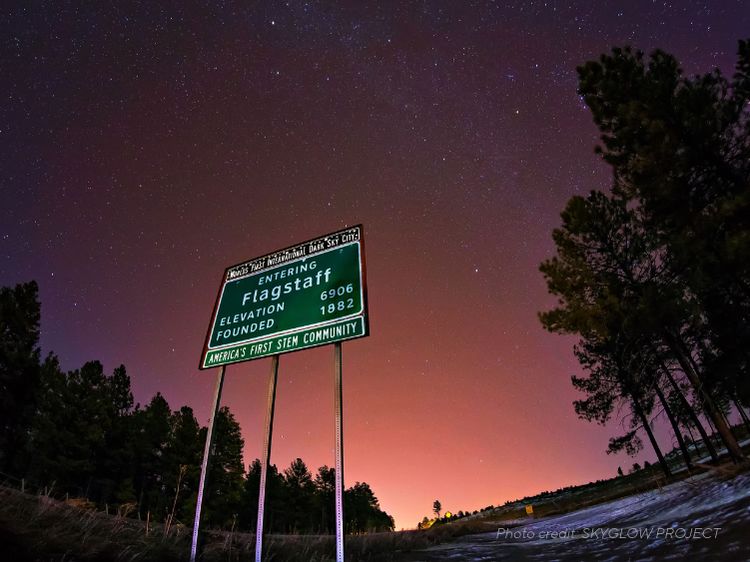
Flagstaff, Arizona, has a long history of protecting its night skies, dating back to 1958 when it adopted the world’s first outdoor lighting ordinance designed to protect astronomical observations. Building on decades of local leadership, the Flagstaff Dark Skies Coalition proposed recognizing communities committed to preserving natural darkness. On October 24, 2001, the International Dark-Sky Association (now DarkSky International) recognized Flagstaff as the world’s first International Dark Sky City, laying the foundation for the International Dark Sky Places program.
In 2026, Flagstaff celebrated the 25th anniversary of this historic designation, a milestone that marks not only the beginning of the International Dark Sky Places program but also the growth of a global conservation movement inspired by one community’s commitment to preserving the night.
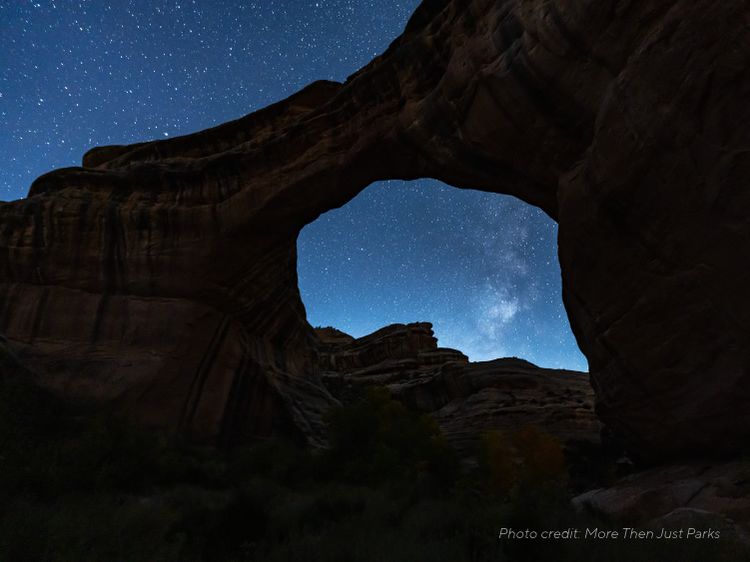
In 2007, Natural Bridges National Monument in southeastern Utah became the world’s first International Dark Sky Park, recognized by the International Dark-Sky Association (now DarkSky International). Known for its exceptionally dark skies and spectacular views of the Milky Way, the park demonstrated how responsible outdoor lighting, conservation practices, and public education could preserve natural darkness while enhancing the visitor experience.
This historic designation marked a major expansion of the International Dark Sky Places program beyond communities to protected landscapes, laying the foundation for the internationally recognized, award-winning conservation program we know today.
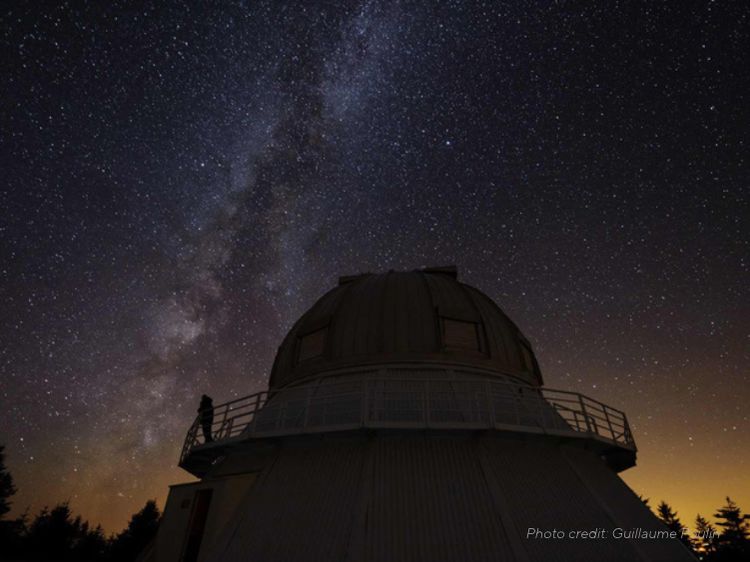
In 2007, Mont-Mégantic in Québec, Canada, became the world’s first International Dark Sky Reserve and the first International Dark Sky Place certified outside the United States. Encompassing Mont-Mégantic National Park, its renowned observatory, and 34 surrounding municipalities, the designation demonstrated how entire regions could work together to reduce light pollution while balancing the needs of communities, wildlife, and astronomy.
This historic designation marked another major milestone in the growth of the International Dark Sky Places program, introducing a new certification category that protects exceptionally dark core areas through the collective efforts of surrounding communities, extending dark sky conservation across entire regions.
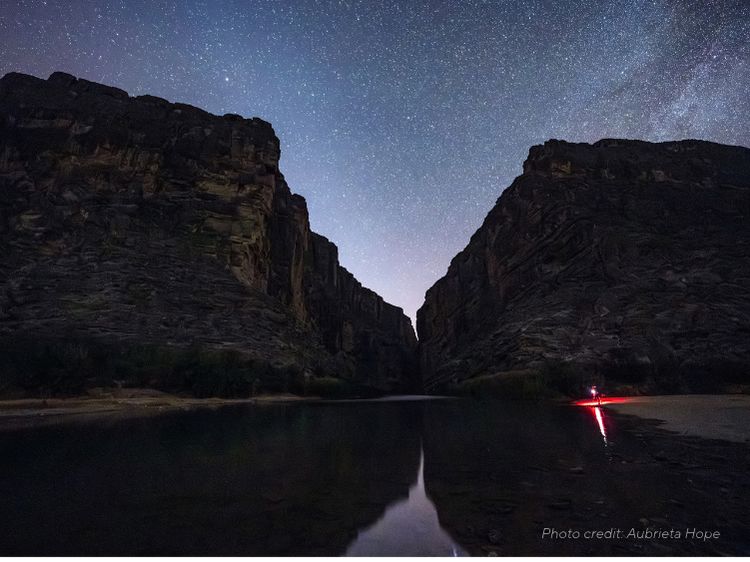
In 2022, the Greater Big Bend International Dark Sky Reserve became the world’s largest International Dark Sky Reserve and the first to span an international border. Encompassing more than 9 million acres across West Texas and northern Mexico, the designation demonstrated how communities, protected areas, and conservation partners could work together to preserve natural darkness across vast landscapes.
In 2024, Oregon Outback International Dark Sky Sanctuary became the world’s largest International Dark Sky Sanctuary, protecting approximately 2.5 million acres of remote wilderness in southeastern Oregon. Together, these landmark designations showcase the growing scale and ambition of the International Dark Sky Places program, extending conservation efforts across entire regions and safeguarding some of the world’s most exceptional nighttime environments.
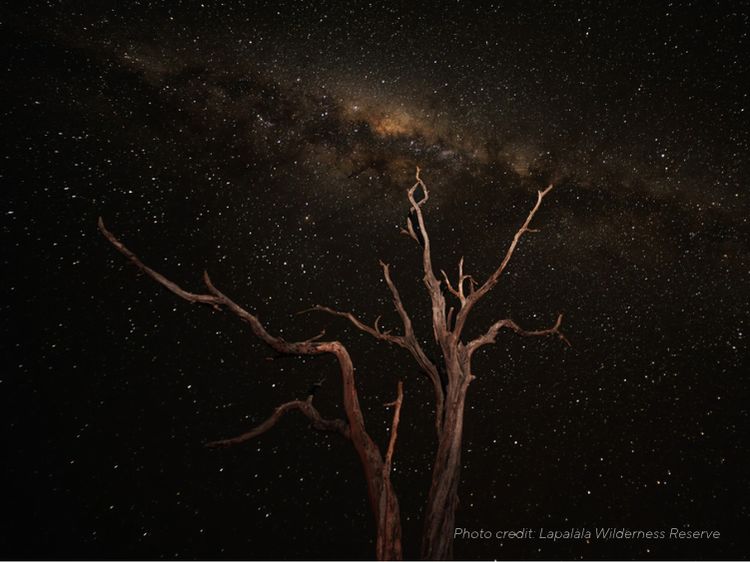
In 2025, Lapalala Wilderness Nature Reserve in South Africa became the 250th International Dark Sky Place, marking a major milestone for DarkSky’s growing global conservation program. Located in the Waterberg region, the reserve is home to diverse wildlife and exceptional nighttime landscapes, demonstrating the importance of protecting natural darkness as part of broader biodiversity conservation efforts.
The designation celebrates more than one remarkable place. It represents the collective commitment of 250 communities, parks, reserves, and protected areas around the world working to reduce light pollution and preserve the nighttime environment. With growing interest in certification and more places working toward designation, the International Dark Sky Places program continues to expand its global reach and conservation impact.
Certification of a Place alerts visitors to the problem of light pollution and the need to preserve the night sky as a natural resource. The certification supports management agencies in achieving long-term conservation targets and connecting people to nature. Additionally, it serves as an economic driver by fostering increased tourism and local economic activity. Learn more
They’re all listed by country and region on the All Places page.
All certified Places provide a quality nighttime experience that will allow you to connect with nature at night. As you move through the light-to-dark gradient, the veil of light pollution will recede and reveal a magical sight — a sky astoundingly full of stars and, depending on the time of year, a view of the Milky Way with the unaided eye. Parks, Sanctuaries, and Reserve cores ensure that this view is available on a typical night.
You can contact the Dark Sky Places Program Associate. Detailed guidance on developing documents or other aspects of certification can only be provided after a site has passed an eligibility check and has submitted the one-time application fee to initiate an application.
The Dark Sky Places program certifies a range of places within the dark-to-very-dark gradient, from national parks, observatories, and lands managed by non-governmental organizations, to villages and cities.
Certification almost always begins with a small group of individuals seeking formal protection of their nightscape and setting a positive example for their communities and countries.