









At least 1.6 million public comments have reportedly been submitted opposing the repeal of the Roadless Rule. According to the Center for Western Priorities, 99.1% of the comments it analyzed opposed the repeal. These figures include comments submitted during the 2025 public comment period and the more recent Draft Environmental Impact Statement comment period, which closed October 6. Opposition spans the political spectrum and reflects a wide range of concerns, from wildlife habitat and clean water to recreation to conservation.
Among these voices were members of the DarkSky community, who spoke up for the preservation of natural darkness. Our community brought the critical importance of dark sky protection to a powerful nationwide call to safeguard nearly 45 million acres of national forest land, helping elevate the need to preserve not only these treasured landscapes, but also some of America’s darkest remaining skies. Despite overwhelming public opposition, the USDA could still move forward with the repeal. The public comment record will remain an important part of the decision-making process and could play a role in future legal challenges.
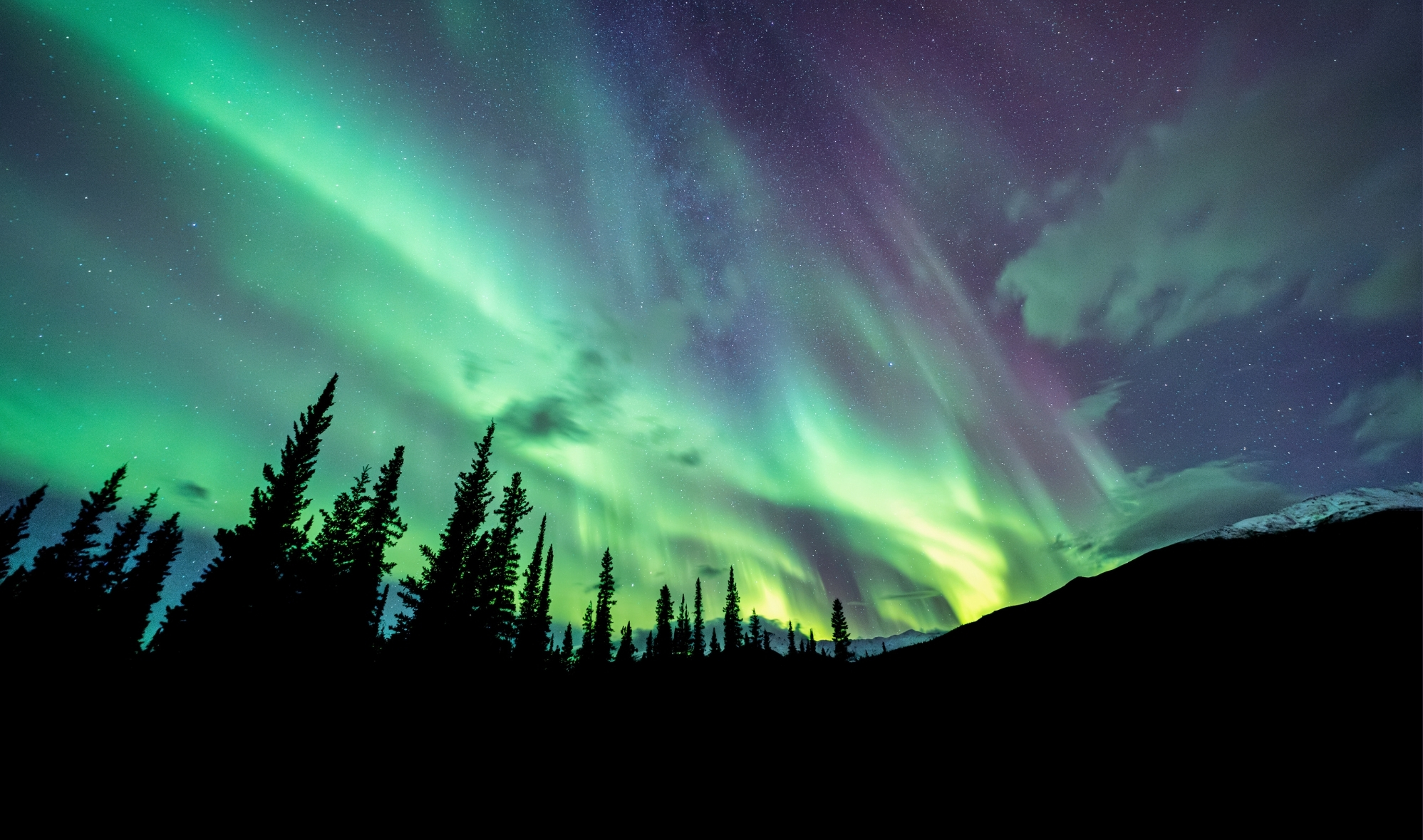
For 25 years, the Roadless Area Conservation Rule has limited development across 44.7 million acres of some of America’s wildest lands. In doing so, it has also helped preserve something less visible on a typical map: some of the darkest night skies remaining in the country.
The U.S. Forest Service is proposing to rescind this protection.
DarkSky International opposes the proposed rescission of the 2001 Roadless Area Conservation Rule, warning that removing these protections could expose some of the country’s darkest and most ecologically significant landscapes to development and potentially irreversible degradation of the nighttime environment.
New analysis by DarkSky helps illustrate what is at stake. By overlaying the Forest Service’s own roadless inventory with peer-reviewed night sky brightness data, DarkSky found that 44.2 percent of roadless land retains exceptional natural darkness, nearly twice the national rate of 23.5 percent.
Rescinding the rule would place approximately 179,000 square kilometers of dark-sky land at risk, including 80,000 square kilometers with pristine night skies, representing the largest single rollback of dark-sky related protection in American history. The Tongass and Chugach National Forests alone account for roughly one-third of that dark land, and their roadless areas are effectively 100 percent dark today.
The connection between roadlessness and darkness is not incidental. Roads bring infrastructure, vehicle traffic, development and, with them, artificial light into previously dark environments. That light does not stop at the edge of a roadway. Because sky glow can propagate tens of kilometers from its source, development along roads and at the edges of dark landscapes can degrade the night sky far into their interiors.
For a quarter century, the Roadless Rule has therefore functioned as more than a restriction on road construction. It has also provided landscape-scale protection for the natural night. Removing those protections could fundamentally change places that have remained dark precisely because development has been limited.
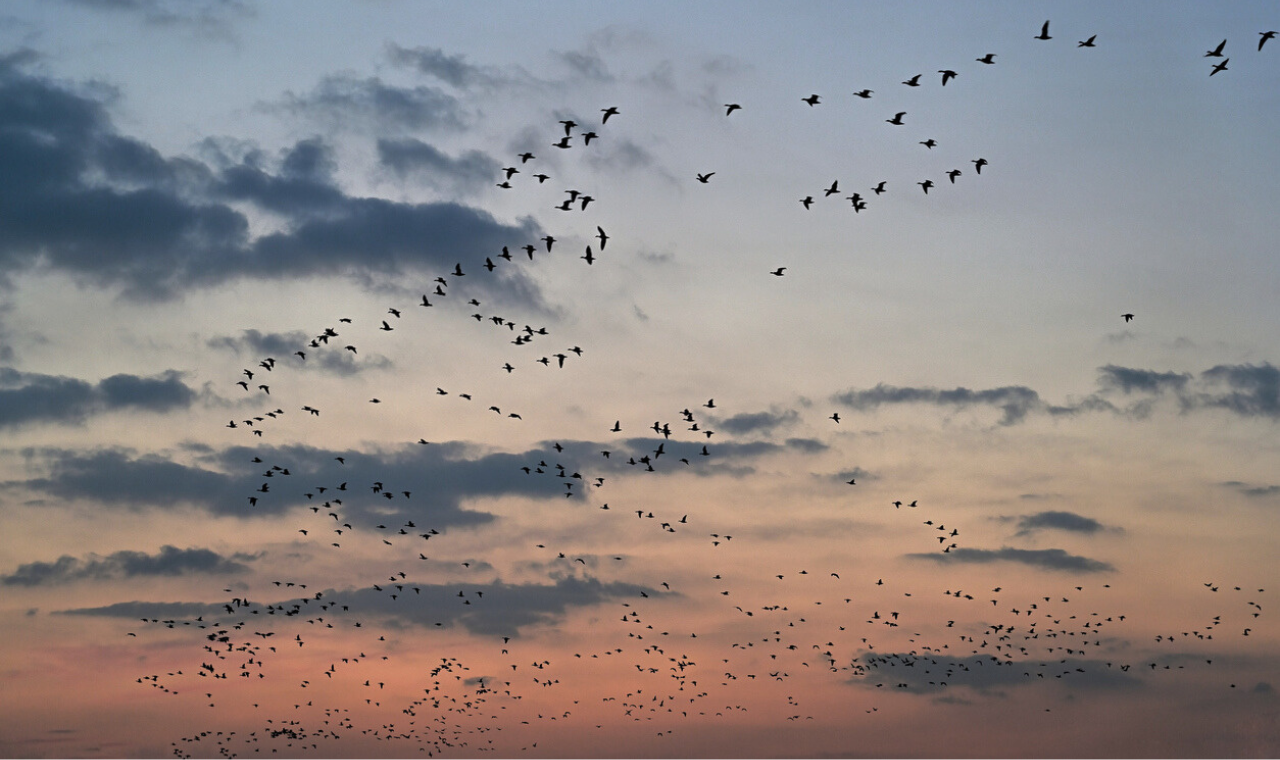
The consequences extend well beyond stargazing. Artificial light at night is a documented stressor across ecosystems, affecting nocturnal wildlife, disorienting migratory birds and contributing to insect population declines. The night sky is already brightening at a rate equivalent to 9.6 percent per year, doubling roughly every eight years. Opening 44.7 million acres to road-driven development risks accelerating that trajectory across landscapes that have largely escaped it.
There are economic consequences as well. Peer-reviewed forecasting for the Colorado Plateau projects that dark-sky tourism will generate $5.8 billion in visitor spending over the next ten years, supporting $2.4 billion in wages and more than 10,000 jobs annually across four states. That value depends, in part, on preserving the darkness that draws visitors to these landscapes in the first place.
For DarkSky, the conclusion is clear: existing protections should not be removed at the expense of some of America’s last naturally dark landscapes. Once roads, development, and artificial light reach these places, the natural darkness they disrupt can be extraordinarily difficult to restore.
DarkSky will deliver a formal letter stating our opposition to the U.S. Forest Service and is asking its community to stand with us.
During the last new moon, I spent an hour standing in the quiet desert of Saguaro National Park. I …