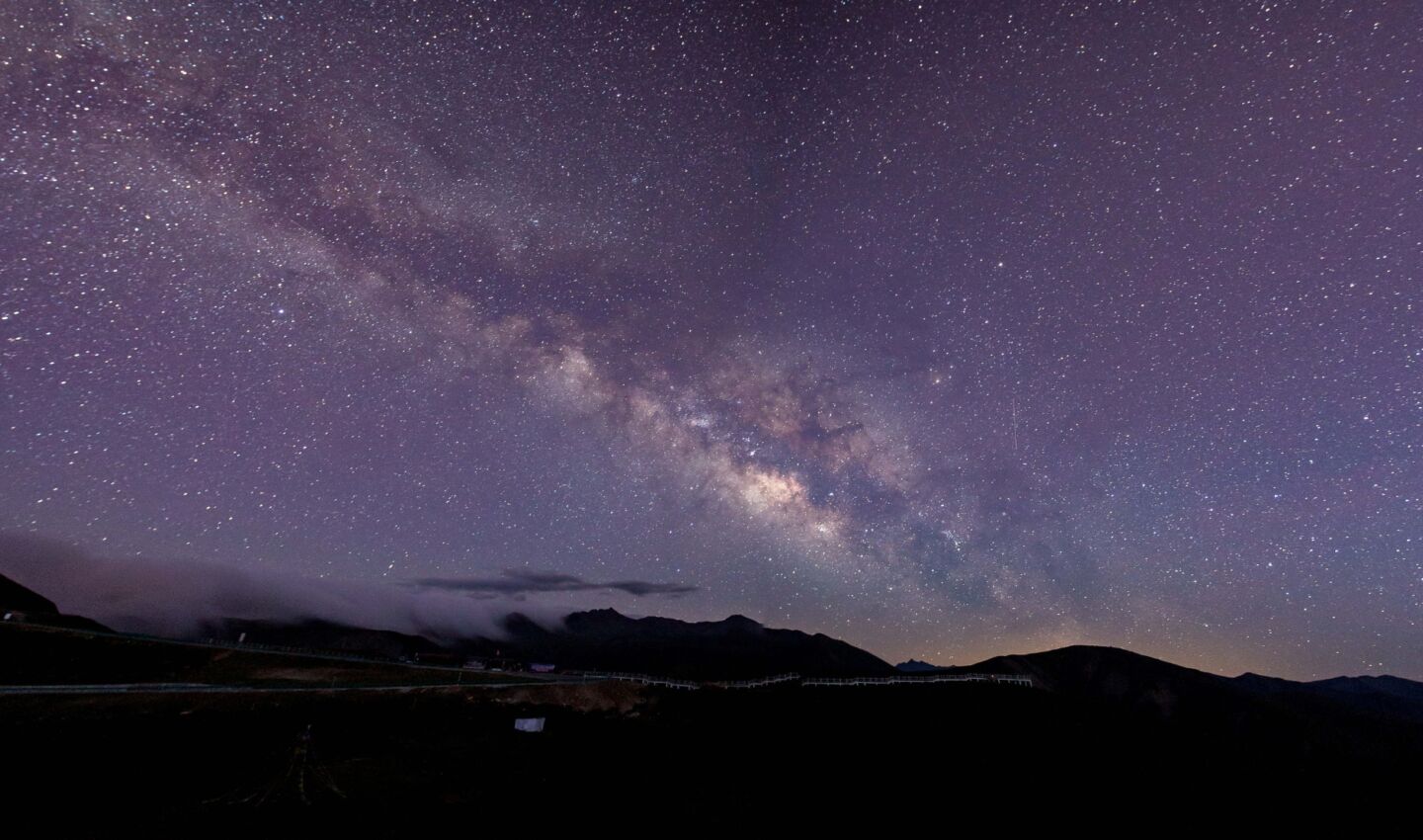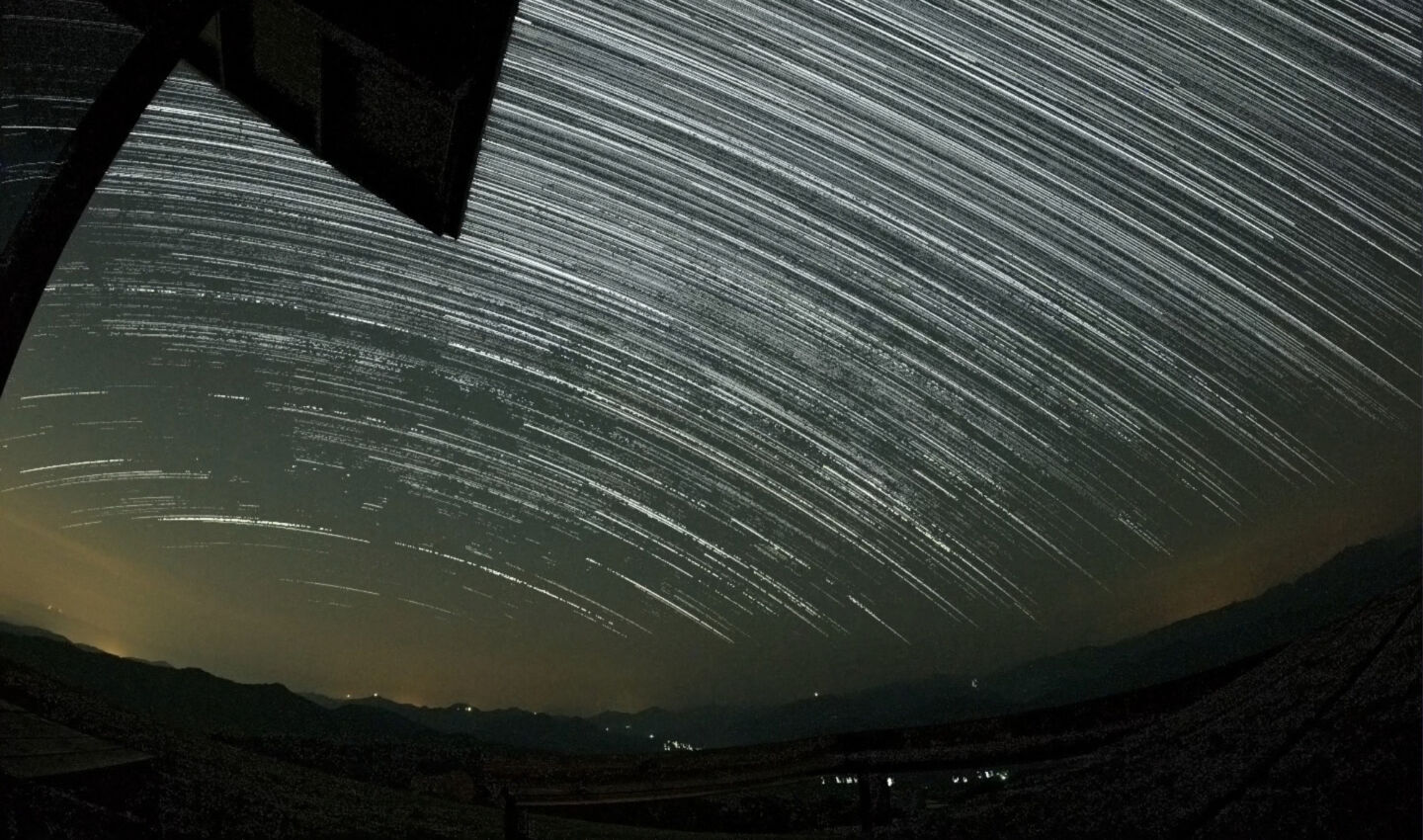









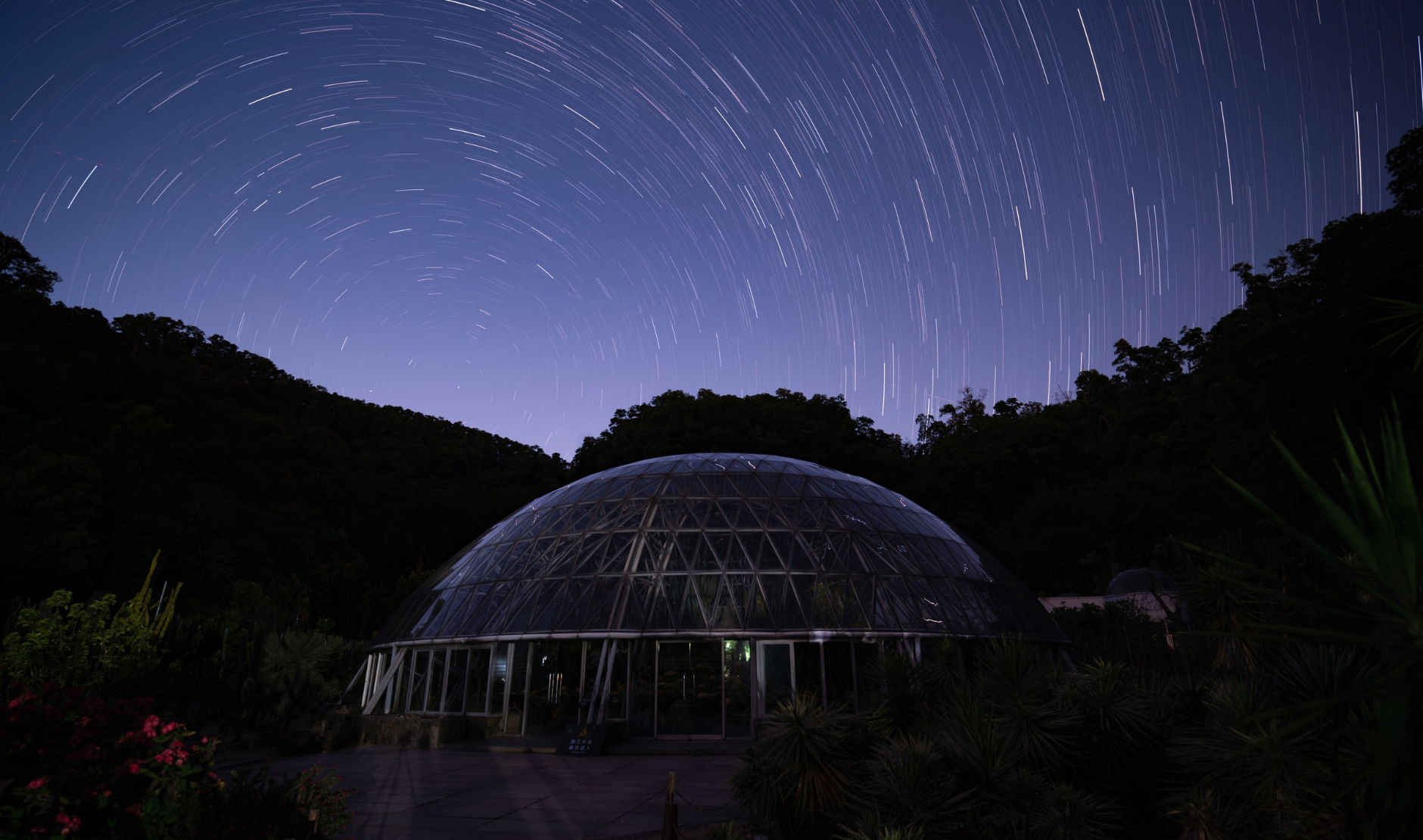
Shenzhen Fairy Lake Botanical Garden, Chinese Academy of Sciences, was designated an Urban Night Sky Place (UNSP). Following Xichong’s designation as an International Dark Sky Community in 2023, Shenzhen has become China’s first megacity with two categories of International Dark Sky Places. With biodiversity conservation at its core, Fairy Lake Botanical Garden has created a haven for dark skies in the urban core, where people and nature can coexist in harmony.
“The staff and volunteers at Shenzhen Fairy Lake Botanical Garden embody what the International Dark Sky Place program was created to do,” says DarkSky International’s Community Program Manager, Michael Rymer. “The Botanical Garden welcomes millions of visitors every year who will continue learning about what responsible outdoor lighting looks like through a variety of unique ways, especially seeing first-hand what quality outdoor lighting is. Operators of Fairy Lake have shown immense commitment to addressing its lighting in a way that maintains dark-sky friendly practices as well as the overall night time aesthetic of the Urban Night Sky Place, and will be a stellar example for others in the future.”
Located on the eastern outskirts of Shenzhen’s Luohu District, Fairy Lake Botanical Garden lies between Wutong Mountain to the east and Shenzhen Reservoir to the west. Its interwoven mountains, hills, and waterways create exceptional natural conditions. Covering a planned area of about 668 hectares, the garden was founded in 1983 and officially opened to the public on May 1, 1988. It is a multifunctional botanical garden that integrates ex situ plant conservation and displays, botanical research, science education, and recreation centered on plants and botanical culture. In recent years, it has welcomed more than four million visitors annually. The garden conserves more than 13,000 plant taxa across 24 specialist gardens and conservation bases. It is home to 131 bird species, including 13 under Class II national protection, as well as squirrels, wild boar, ferret-badgers, snakes, leopard cats, and other wildlife.
Given its rich ecological resources, the garden places high demands on the quality of its lighting environment. Existing lighting, however, emitted direct light and had high color temperatures, affecting night-sky observations and potentially disrupting the natural rhythms of nocturnal animals. In response, the garden established a night-sky quality monitoring network and a monthly monitoring program to track changes over time, providing baseline data to monitor the lighting environment and address light pollution. It then launched targeted lighting retrofits, beginning with its main scenic areas. Measures such as replacing lamps with warm light sources of lower color temperature and installing shields addressed glare, light spill, and excessively high color temperatures. After nearly a year of upgrades and ongoing monitoring, the garden met DarkSky International’s requirements for Urban Night Sky Place designation. Its night-sky quality readings (SQM) range from 16.01 to 17.56.
The garden also places strong emphasis on public engagement and awareness of dark sky conservation. It has organized school lectures, nighttime nature education programs, and public science outreach activities to build understanding of the need to protect dark skies. Working with the Xichong International Dark Sky Community in Shenzhen’s Dapeng District, it has exchanged experience in developing dark sky places and collaborated on scientific research related to astronomical observation and ecological conservation.
From recognizing the importance of dark sky conservation to systematically monitoring night sky quality, upgrading lighting, and engaging the public, Fairy Lake Botanical Garden is demonstrating through concrete action that tranquil starry skies and diverse nocturnal ecosystems can still be cared for in the heart of a megacity. The designation recognizes these past efforts and marks a new starting point.
Wu Chunhai, Deputy Director of the Shenzhen Urban Appearance & Landscaping Affairs Center, said: “From the Xichong International Dark Sky Community to the Fairy Lake Botanical Garden Urban Night Sky Place, Shenzhen has expanded both the number and the categories of its dark sky places. It has also found a way for a megacity to balance illuminated nightscapes with dark-sky conservation, providing residents with a comfortable and pleasant nighttime lighting environment in which light and darkness each have their place.”
Liang Zheng, Director of the Urban Lighting Planning and Design Research Center at the China Academy of Urban Planning and Design, said: “In April 2023, Shenzhen’s Xichong Community became China’s first International Dark Sky Community. In November 2026, Fairy Lake Botanical Garden, a ‘treasure trove of plants and an ecological wonderland’ in the urban core, received the Urban Night Sky Place designation from DarkSky International. Shenzhen has thus become the first megacity in China to have two categories of International Dark Sky Places. This demonstrates that dark sky conservation matters not only for astronomical observation but also plays a vital role in protecting biodiversity and the ecological environment. In March 2026, light pollution control was incorporated into China’s Ecological and Environmental Code. Fairy Lake’s certification provides another model for Shenzhen’s work in light pollution control and dark sky conservation. It will advance research and public education on ‘light and ecology,’ integrate dark sky conservation with the development of the dark sky economy, and foster innovative approaches to nighttime ecological and cultural tourism. Xichong and Fairy Lake Botanical Garden will become a shining pair of twin stars for dark sky conservation and light pollution control in China.”
Lan Weigen, Deputy Director of Shenzhen Fairy Lake Botanical Garden, said: “Following the designation, we will continue to uphold the principles of dark-sky conservation as we work toward becoming a national 5A-level tourist attraction and a national botanical garden. We will organize dark-sky conservation activities and science outreach, and make nighttime programs such as ‘Moonlit Flowers and Woods: Fairy Lake Night Tours’ a regular offering. Drawing on existing platforms, including the National Forestry and Grassland Administration’s Guangdong Shenzhen Urban Ecosystem Research Station, we will continue to collect data on the relationship between night-sky quality and biological rhythms, and explore how the lighting environment affects plant phenology and pollination networks. Bridging through science education, we will build a shared public commitment to dark-sky conservation. We aim to showcase the ‘Shenzhen Solution’ to the world for managing light pollution and protecting dark skies in a megacity, and to contribute a new chapter to ecological civilization as a pilot demonstration zone.”
About the International Dark Sky Places Program: Founded in 2001, the International Dark Sky Places Program is a non-regulatory and voluntary program encouraging communities, parks, and protected areas worldwide to preserve and protect dark sites through effective lighting policies, environmentally responsible outdoor lighting, and public education. When used indiscriminately, artificial light can disrupt ecosystems, impact human health, waste money and energy, contribute to climate change, and block our view and connection to the universe. Shenzhen Fairy Lake Botanical Garden now joins more than 275 Places that have demonstrated robust community support for dark sky advocacy and strive to protect the night from light pollution. Learn more by visiting https://darksky.org/what-we-do/international-dark-sky-places/.
About DarkSky International: The mission of DarkSky is to preserve and protect the nighttime environment and our heritage of dark skies through environmentally responsible outdoor lighting. Learn more at darksky.org
Media Contacts
Zheng Ting
[email protected]
+86 13602525200